

News
A complete explanation of the working principle of fracturing flowback fluid processing equipment
Time:
2025-08-26
Frac flowback fluid is an inevitable byproduct of oil and gas production. If left untreated, the high salt content, organic matter, and chemical additives in this fluid can pose serious environmental risks. Therefore, frac flowback treatment equipment has emerged to effectively remove impurities and contaminants, minimizing wastewater volume, rendering it harmless, and enabling resource utilization. This article will provide a detailed explanation of the operating principles and core processes of frac flowback treatment equipment.
1. Main Components of Frac Flowback Fluid
Frac flowback fluid typically contains:
Suspended particles: sand, rock cuttings, and unreacted proppant.
Chemical agent residues: surfactants, biocides, clay stabilizers, etc.
Inorganic salts: high concentrations of sodium chloride, calcium and magnesium ions, etc.
Organic pollutants: petroleum and COD (chemical oxygen demand) substances.
These components necessitate equipment with multi-step and multi-method processing capabilities.
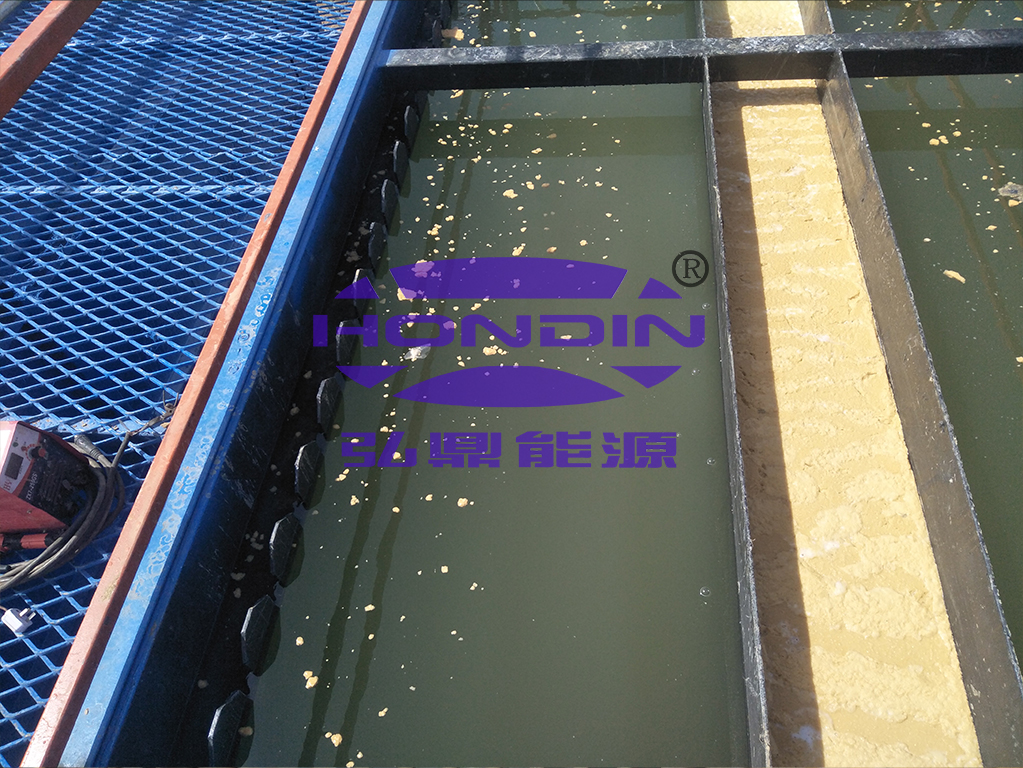
III. Working Principles of Fracturing Flowback Fluid Treatment Equipment.
1. Physical Separation Stage.
Sedimentation/Centrifugation: Gravity or centrifugal force is used to separate large particles such as sand and rock debris.
Filtration System: Multi-stage filters remove fine suspended matter and reduce turbidity.
2. Chemical Treatment Stage.
Coagulation and Sedimentation: Coagulants (such as PAC and PAM) are added to induce the aggregation and sedimentation of colloids and small particles.
Redox: Oxidants such as ozone and sodium hypochlorite are used to decompose organic pollutants and reduce COD.
3. Membrane Separation and Deep Purification.
Ultrafiltration (UF): Removes fine particles and some organic matter.
Reverse Osmosis (RO): Effectively desalinates, removing most dissolved salts.
Nanofiltration/Electrodialysis (selected processes): Further improves water purity.
4. Concentration and Waste Residue Treatment.
Sludge Dewatering: After chemical treatment and sedimentation, the sludge is filtered and transported for disposal.
Brine Recovery or Evaporation Crystallization: This allows for resource utilization of salt and reduces emissions.
IV. Destination of Treated Water.
The treated fracturing flowback fluid can be used, depending on water quality, for the following:
Reinjection: Reuse in fracturing operations, conserving freshwater resources;
Discharge in accordance with environmental standards: Discharge into surface water or municipal pipelines, meeting environmental standards;
Further Utilization: A portion can be used for industrial circulating cooling water, well-washing fluid, etc.
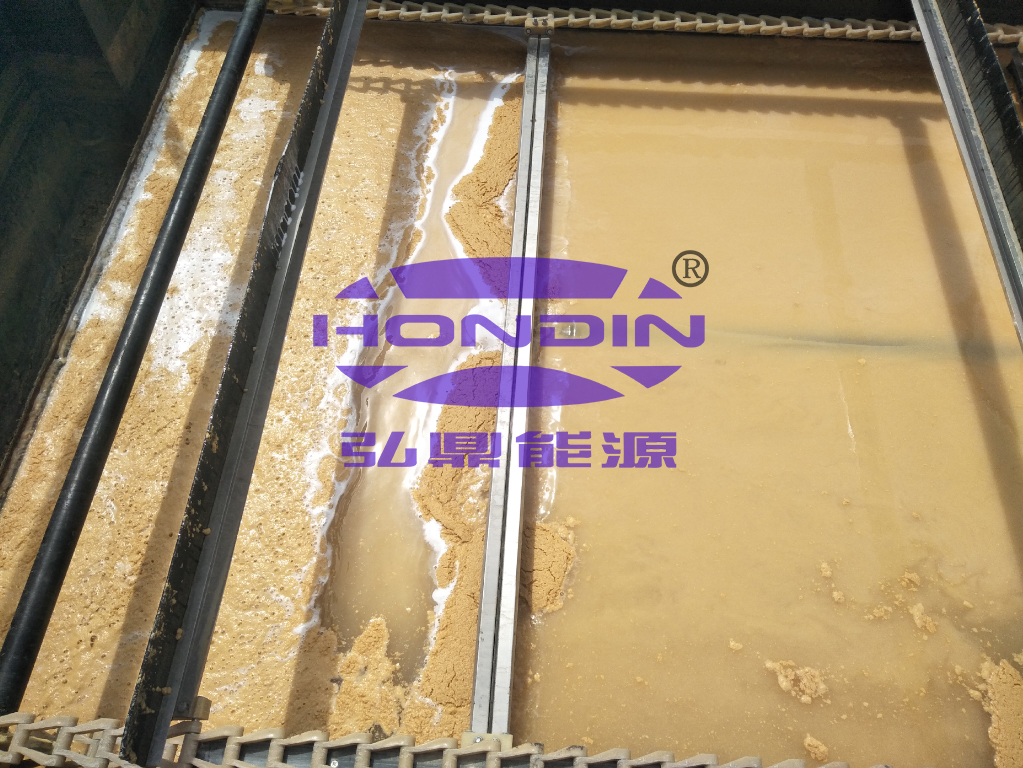
V. Summary.
The core principle of fracturing flowback fluid treatment equipment is a 'multi-stage combined action' approach. Through the organic integration of physical, chemical, and membrane separation technologies, it achieves the progressive removal of pollutants. This not only reduces environmental risks but also promotes green and sustainable oil and gas development.
With increasingly stringent environmental standards, fracturing flowback fluid treatment equipment is constantly evolving, evolving from simple sedimentation and filtration solutions to modular, intelligent, and resource-efficient integrated solutions.








Hot News
-

Chemical Hot Washing for Oily Sludge: Process Stages and System Evaluation
-
The Role of Mud Cleaners in Weighted Drilling Fluid Solids Control
-
Waterflooding and Scale Control in Mature Oilfields
-
Gas Flotation in Produced Water Treatment Systems
-
Mud Agitator Role and Selection for Solids Control
-
Surface Fluid Systems for Acidizing Operations
-
Vertical Cuttings Dryer for Drilling Waste Management
-
Desander vs Desilter Selection for Solids Control
-
Surface Blending and Pumping Systems for Well Stimulation
-
Produced Water Pretreatment for Reinjection and Reuse
-
Vacuum Degasser Role in Drilling Fluid Solids Control
-
Decanter Centrifuge for Oily Sludge Dewatering



Add: No.462 Jinggao South Road, Gaoling District, Xi'an, Shaanxi Province, China
Mob/WhatsApp: +86 186 2931 2932/ +86 187 2900 8271
E-mail: sales@hondinchina.com

Follow us:

点击右上角
分享给朋友吧
点击右上角
分享给朋友吧
Copyright © Xi'an Hondin Energy Technology Co., Ltd. All rights reserved
Copyright © Xi'an Hondin Energy Technology Co., Ltd. All rights reserved