

News
The relationship between shale gas development and utilization and drilling solids control equipment
Time:
2025-10-11
In shale gas development, drilling operations, characterized by long horizontal sections, complex formations, and large-scale fracturing, place stringent demands on drilling fluid performance and waste disposal. Drilling solids control equipment, as the core vehicle for drilling fluid purification and circulation, not only determines the efficiency and cost of shale gas drilling but also directly impacts the environmental compliance of the development process. The two form a deeply intertwined relationship: equipment supports development, while development drives equipment upgrades.
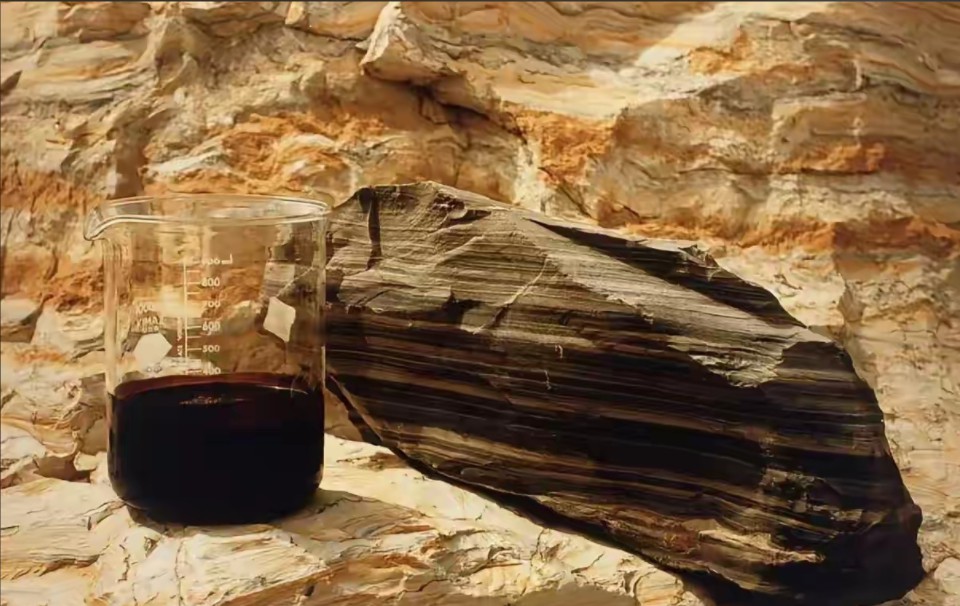
I. The Special Characteristics of Shale Gas Drilling: Why is Solids Control Equipment Essential?
Shale gas development, with 'horizontal wells + volumetric fracturing' as its core technology, faces three key pain points during drilling, each of which relies on the precise support of solids control equipment:
Horizontal sections are difficult to carry rock, requiring highly clean drilling fluids.
Horizontal shale gas well sections often reach 1,500-3,000 meters in length, requiring drilling fluids with stable rheological properties (viscosity 35-45s, dynamic shear force 8-12Pa) to carry cuttings from the horizontal sections to the surface. If drill cuttings (especially fine drill cuttings with a particle size of 2-74μm) accumulate in the drilling fluid, it can cause a sudden increase in viscosity and a decrease in fluidity. This can lead to 'drill bit balling' at best, and 'wellbore shrinkage' or even stuck drill pipe at worst, interrupting drilling operations.
Solids control equipment uses a four-stage purification process consisting of a vibrating screen + desander + desilter + centrifuge to control the solids content of the drilling fluid to below 5%, with a fine cuttings removal rate exceeding 90%, providing a clean 'fluid path' for safe horizontal drilling.
Fracturing fluid consumption is high, necessitating recycling and reuse to reduce costs.
Fracturing a single shale gas horizontal well requires 10,000-30,000 cubic meters of fracturing fluid. However, the composition of drilling fluids is somewhat compatible (for example, both contain clay stabilizers and fluid loss additives).
If drilling fluid is discarded after a single use, not only does it generate thousands of meters of waste mud, but it also requires the purchase of large quantities of new fluid. The drilling fluid cost for a single well can exceed 5 million yuan. Solids control equipment deeply purifies and regulates drilling fluid properties, increasing the reuse rate to over 85%. After implementing a high-efficiency solids control system in a Sichuan shale gas field, the amount of drilling fluid replenished per well was reduced from 1,200 cubic meters to 380 cubic meters, directly saving over 3 million yuan and reducing waste mud generation by over 60%.
Strict environmental protection requirements necessitate solid waste reduction and compliant disposal.
Shale gas development is often located in mountainous areas or ecologically sensitive areas (such as the Sichuan Basin and the Ordos Basin). Environmental protection authorities require 'zero discharge' or 'harmless treatment' for the disposal of drilling waste (drill cuttings and waste mud).

Traditional operations without solids control equipment generate large quantities of drill cuttings containing oil and chemical additives. If landfilled recklessly, this can easily contaminate soil and groundwater, leading to significant environmental fines. The dry drill cuttings (moisture content ≤ 20%) separated by the solids control equipment can be solidified and used for wellsite road paving or landfill in compliance with regulations. The purified drilling fluid is recycled, achieving an 80% reduction in solid waste and zero wastewater discharge. II. The Three Core Values of Solids Control Equipment in Shale Gas Development.
Throughout the entire shale gas development process, solids control equipment is not just an auxiliary tool but also core infrastructure that ensures development efficiency, controls costs, and promotes environmental protection. Its value is primarily reflected in three aspects:
1. Ensuring drilling efficiency and shortening development cycles.
Shale gas horizontal well drilling cycles are long (typically 30-45 days). Solids control equipment, by stabilizing drilling fluid properties, can directly increase drilling speed and reduce downhole failures.
Data from a shale gas field shows that drilling rigs equipped with a four-stage solids control system, due to the high cleanliness of the drilling fluid, have extended the average drill bit life from 80 hours to 120 hours, reducing the number of trips by 3-5.
Effective removal of fine cuttings increases horizontal drilling speed by 15%-20%, shortening the single well drilling cycle from 42 days to 32 days, indirectly accelerating shale gas production and improving the efficiency of block development. 2. Control development costs and improve economic feasibility.
Shale gas development is expensive (over 100 million yuan per well). Solids control equipment reduces costs in two ways through 'recycling and solid waste reduction':
Reduced consumable costs: Reusing drilling fluid reduces the purchase of new fluid and the consumption of treatment agents, saving 20%-30% in drilling fluid costs per well.
Reduced disposal costs: The volume of dry drill cuttings separated by solids control equipment is only one-fifth of the original mud volume, significantly reducing solid waste transportation and landfill costs. For example, if a single well generates 500 cubic meters of waste mud, after solids control treatment, the dry drill cuttings are reduced to only 100 cubic meters, reducing disposal costs from 200,000 yuan to 40,000 yuan. 3. Protecting the Ecological Environment and Achieving Green Development.
Against the backdrop of the 'dual carbon' goals and regular environmental inspections, solids control equipment is a key enabler for the 'green development' of shale gas.
In a shale gas block in Sichuan, the application of a combined solids control and mud-free process reduced the amount of drilling waste discharged from a single well from 800 cubic meters to 120 cubic meters. Testing also revealed that the concentration of heavy metal leaching from dry drill cuttings was well below national standards, preventing contamination of surrounding farmland and water sources.
Some advanced solids control systems can also incorporate drill cuttings recycling technology to process dry drill cuttings into unfired bricks or roadbed materials, transforming solid waste into resources and further reducing ecological impact. III. Collaborative Upgrades: Shale Gas Development Demands Drive Technological Innovation in Solids Control Equipment.
As shale gas development advances into ultra-deep wells and complex shale reservoirs (e.g., deep shale gas formations buried at depths exceeding 3,500 meters), higher performance requirements are placed on solids control equipment, driving continuous technological upgrades and forming a positive cycle of 'development needs, equipment iteration, and efficiency improvement.'
Upgraded Anti-Pollution Technology: Deep shale gas drilling fluids contain large amounts of shale fines (particle size<2μm), which can easily cause blockage in centrifuges and desilters. Solids control equipment utilizes an anti-clogging cyclone design and self-cleaning screen technology to improve anti-clogging capabilities by 50%, reducing maintenance frequency from once per day to once every three days. Intelligent Control Upgrade: To address the significant fluctuations in shale gas drilling fluid properties, the new generation of solids control equipment is equipped with an AI online monitoring system. This system monitors drilling fluid density, viscosity, and solids content in real time, automatically adjusting parameters such as vibrating screen frequency and centrifuge differential speed to maintain a purification accuracy error within ±2%, thus preventing performance overshoots caused by manual control delays.

Modular Design Upgrade: Shale gas well sites are often located in mountainous areas, where space is limited and transportation is difficult. The solids control equipment utilizes a skid-mounted modular design, with a single module weight under 10 tons and transportable by small trucks. On-site assembly time is reduced from three days to eight hours, making it adaptable to complex well site conditions.
Conclusion: Solids control equipment is an essential component of efficient and green shale gas development.
The unique characteristics of shale gas development necessitate a high reliance on drilling fluid purification and waste disposal. Drilling solids control equipment, by addressing the three core challenges of horizontal rock carryover, cost control, and environmental compliance, serves as a critical link between drilling operations and efficient development. In the future, as shale gas development advances into deeper and more complex reservoirs, solids control equipment will be further upgraded towards 'efficiency, intelligence, and resource utilization,' continuously providing support for cost reduction, efficiency improvement, and green transformation in shale gas development. The deep binding relationship between the two will also become increasingly close.
你的喜欢,就是我坚持写下去的能量器
YouArticle
已有0人推荐
Click:








文章推荐
Hot News
-

Chemical Hot Washing for Oily Sludge: Process Stages and System Evaluation
-
The Role of Mud Cleaners in Weighted Drilling Fluid Solids Control
-
Waterflooding and Scale Control in Mature Oilfields
-
Gas Flotation in Produced Water Treatment Systems
-
Mud Agitator Role and Selection for Solids Control
-
Surface Fluid Systems for Acidizing Operations
-
Vertical Cuttings Dryer for Drilling Waste Management
-
Desander vs Desilter Selection for Solids Control
-
Surface Blending and Pumping Systems for Well Stimulation
-
Produced Water Pretreatment for Reinjection and Reuse
-
Vacuum Degasser Role in Drilling Fluid Solids Control
-
Decanter Centrifuge for Oily Sludge Dewatering



Add: No.462 Jinggao South Road, Gaoling District, Xi'an, Shaanxi Province, China
Mob/WhatsApp: +86 186 2931 2932/ +86 187 2900 8271
E-mail: sales@hondinchina.com

Follow us:

点击右上角
分享给朋友吧
点击右上角
分享给朋友吧
Copyright © Xi'an Hondin Energy Technology Co., Ltd. All rights reserved
Copyright © Xi'an Hondin Energy Technology Co., Ltd. All rights reserved