

News
Drilling waste mud treatment technology and its advantages and disadvantages
Time:
2024-12-06
Solidification treatment technology
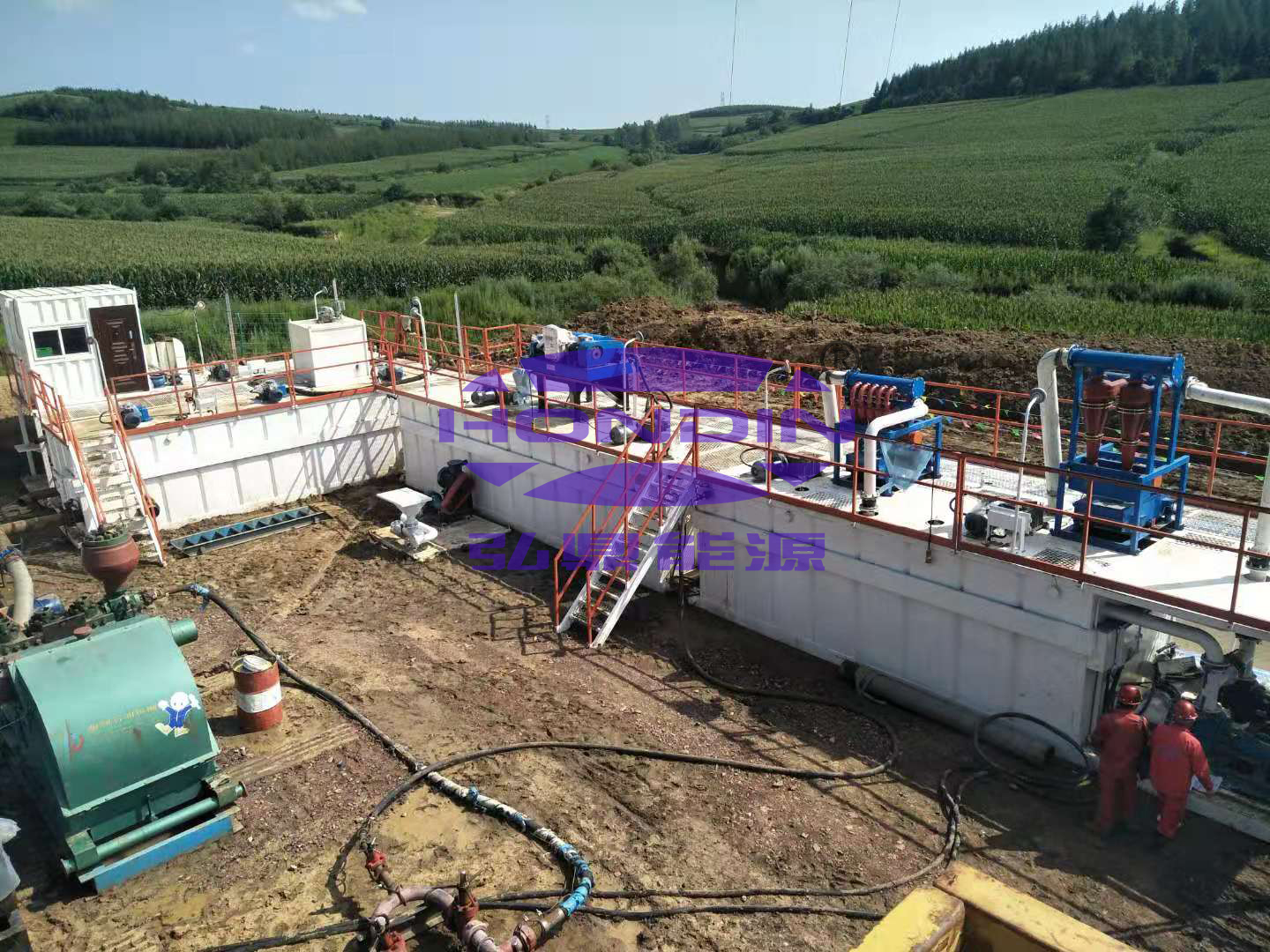
Solidification treatment is to discharge the mud into an impermeable soil pool, add a solidifying agent, stir and let it stand, and encapsulate pollutants such as heavy metals and organic matter in the solidified body to isolate the pollutants from the environment and avoid their impact on the soil, water and ecological environment.
The resulting solidified body can be landfilled on site or used as infrastructure materials. Commonly used solidifying agents include cement, lime, fly ash, gypsum, etc. Solidification treatment technology has low cost, simple operation and mature technology. For high-water content mud, it can be combined with solid-liquid separation to achieve the best solidification effect. A large number of studies have been carried out around the screening of solidifying agents and process optimization.
For example, cement and fly ash are used to solidify the waste mud. The solidifying agent can form a mesh structure to seal pollutants, absorb organic matter and heavy metals, greatly reduce the COD value of the waste mud, and reduce the migration and diffusion of heavy metals.
Or by solidifying the mud with 16% cement + 2% quicklime + 8% fly ash + 1% calcium chloride + 5% gypsum, the pollution concentration of the solidified body leachate meets the standard. The solidified body formed by the waste drilling mud can also be used as a building material or brick making.
In general, cement, gypsum, and fly ash are the main solidifying agents, which have a good effect and are the key to the formation of the solidified body. Lime is mostly used as a solidifying additive, which can further increase the solidification effect and reduce the leaching of pollutants. However, the amount of cement used in the solidification process is large, which leads to increased costs. In practice, a more economical solidification method needs to be explored.
Chemically enhanced solid-liquid separation technology
The chemically enhanced solid-liquid separation method is to add degelling agents, flocculants, etc. to the waste mud to make it react chemically, thereby changing the properties of the waste mud, destroying its stable colloidal system, so that the tiny particles and suspended matter in it form larger flocs, and then separating the solid and liquid phases by mechanical centrifugation, filtration, etc., and treating the two phases separately.
This method is simple to operate and can greatly reduce the volume of waste mud and reduce the water content of solid phase mud cake, but the key is to select efficient flocculants and treatment conditions.
Microbial treatment method
Microbial treatment is a method of harmlessly treating drilling waste mud by using its small individual size, fast reproduction, large specific surface area, and strong adaptability to the environment to degrade and mineralize pollutants in the mud through microbial metabolism.
However, although the biological treatment method is environmentally friendly, its treatment efficiency is low, the degradation time is long, and the screening, cultivation, and domestication of related strains are relatively difficult, which limits the application of this method and inhibits its development.
Reinjection method
The reinjection method refers to grinding, screening and slurrying of solid phase materials after solid-liquid separation, so that its particle size and slurry rheological properties meet the reinjection requirements, and then injecting it into the deep formation that can store slurry through the casing annulus or special reinjection wells by hydraulic fracturing.
The application of the reinjection method is more restricted and greatly affected by local geological conditions. It requires the injection depth to exceed 600m, which is not applicable in all areas; and after the waste is injected into the formation, if the oil and gas field continues to be mined, the porosity and pressure of the formation will be destroyed, and the waste injected into the formation may return to the ground, causing secondary pollution.
In addition, the reinjection method has high requirements for ground equipment, the system is relatively complex and expensive, so it has not been widely used in the treatment and disposal of waste drilling mud in my country.
Dry incineration treatment technology
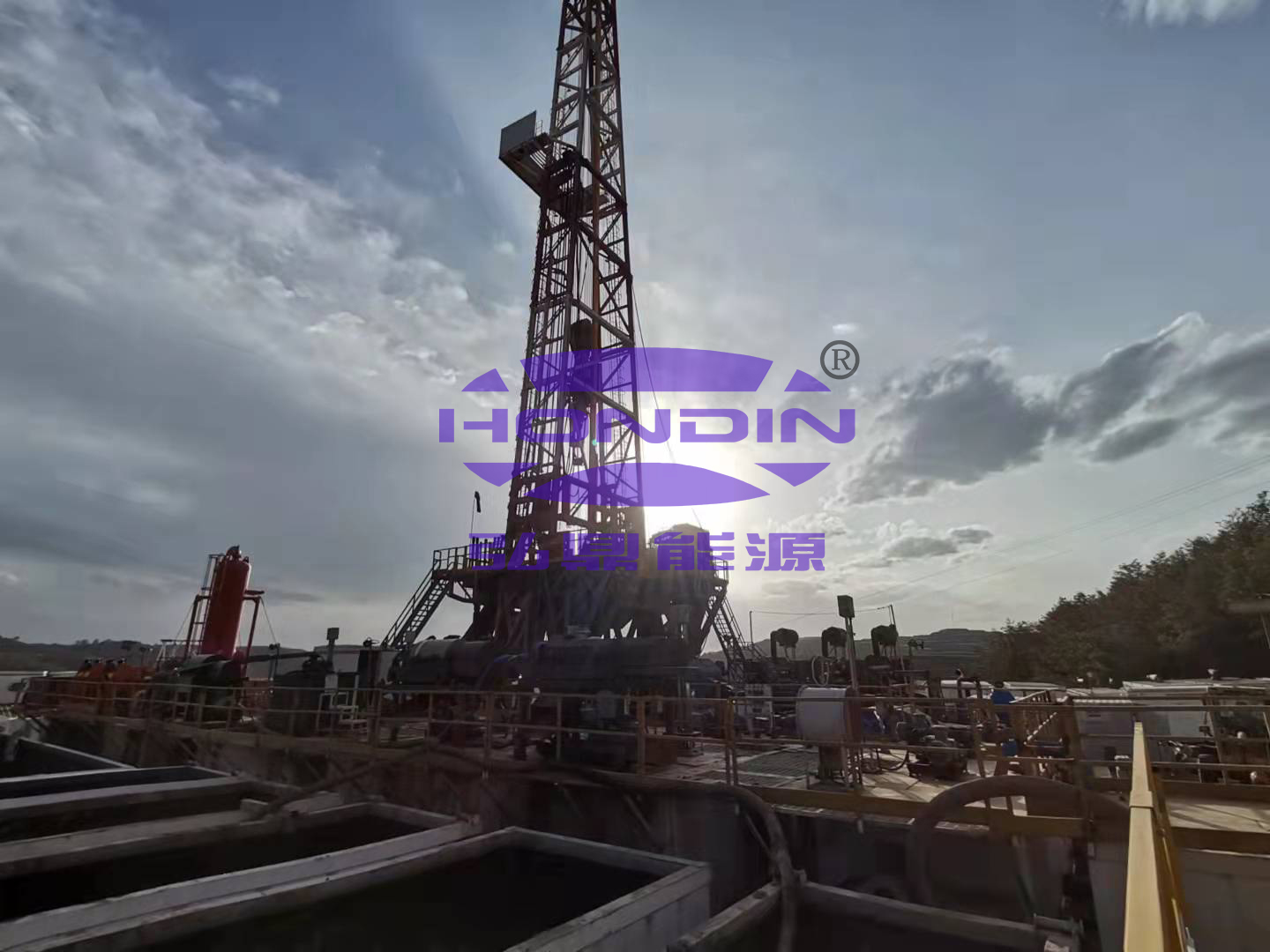
Dry incineration is the use of incinerators, rotary kilns or other high-temperature treatment devices to destroy pollutants in drilling waste mud through high-temperature decomposition and deep oxidation, stabilize and encapsulate pollutants that are difficult to destroy at high temperatures, thereby achieving harmlessness and resource utilization of waste.
The main disadvantages of dry incineration are its high construction cost, and the generation of toxic waste gas and dust that are difficult to treat during the combustion process, which will cause secondary pollution to the environment.
Therefore, dry incineration equipment needs to be specially modified, which invisibly increases the treatment cost and is subject to certain restrictions in its promotion and use.
MTC conversion technology
MTC (Mud To Cement) technology, the full name is mud conversion into cementing cement slurry technology.
For waste drilling fluids with filtration loss reduction and suspension, this technology shortens the thickening transition time and gel strength transition time by doping blast furnace slag, activators, etc., and then converts it into cement for cementing. Its advantage is that the drilling waste mud can be recycled and the amount of cement used can be reduced.
However, this method has a very narrow scope of application. The amount of waste drilling mud that can be converted is very small, generally only a few dozen cubic meters. It cannot fundamentally solve the problem of harmless treatment of waste drilling mud. In addition, for different types of drilling mud systems, the formula needs to be pre-screened according to their properties. The operation and construction are relatively cumbersome, which also increases the difficulty of application.
Non-ground treatment technology
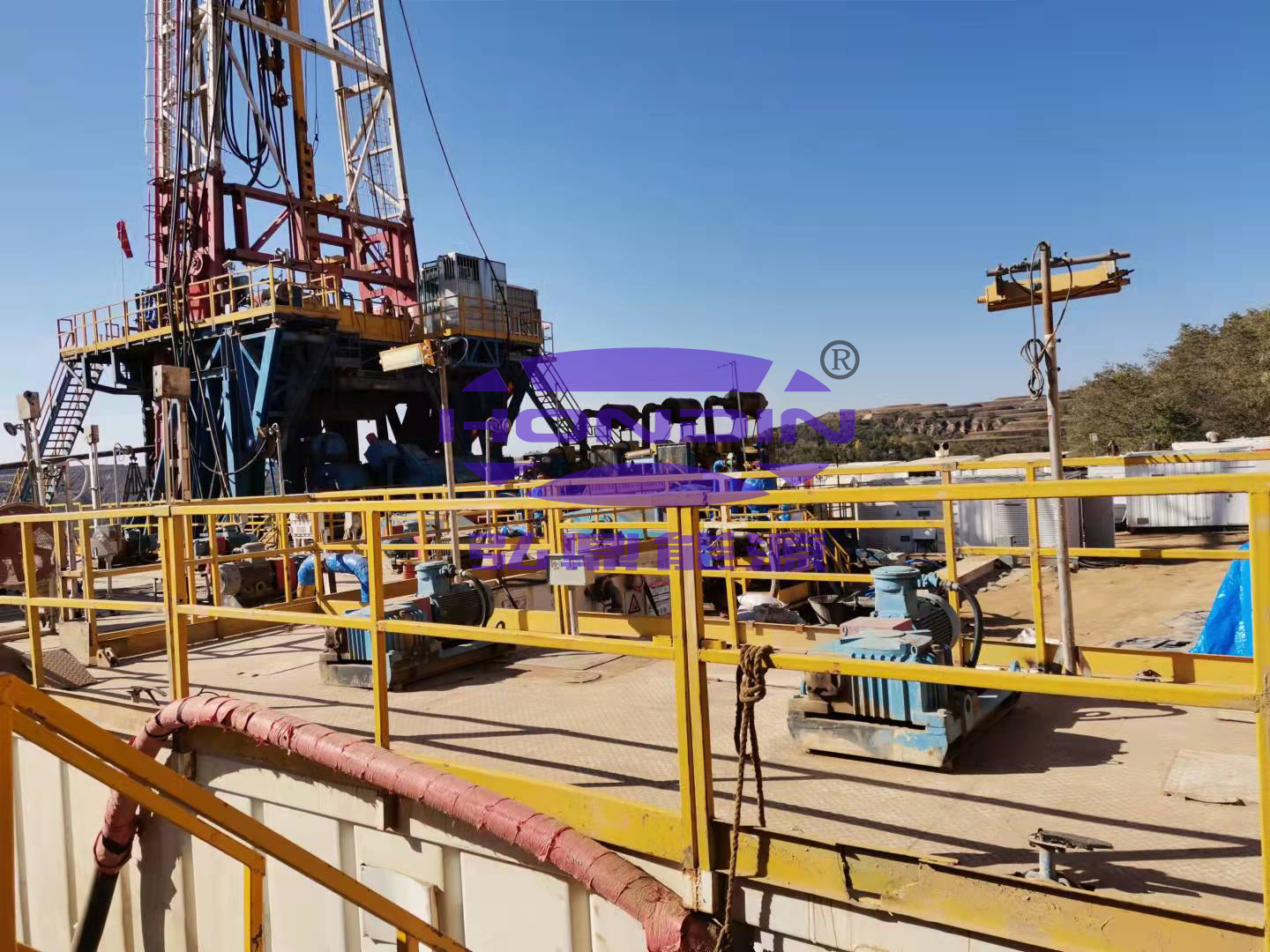
Non-ground treatment technology is to use skid-mounted movable treatment facilities to directly treat the drilling waste separated from the wellhead continuously online, that is, it does not need to be stored in the waste pool before treatment. This technology can realize the organic combination of physical and chemical treatment methods and intelligent mechanical equipment, which can effectively separate ordinary drilling waste and reduce the floor space of drilling waste.
However, this technology will increase the cost of transportation in the subsequent centralized treatment, and may also cause secondary pollution to the local soil and air environment during transportation.








Hot News
-

Chemical Hot Washing for Oily Sludge: Process Stages and System Evaluation
-
The Role of Mud Cleaners in Weighted Drilling Fluid Solids Control
-
Waterflooding and Scale Control in Mature Oilfields
-
Gas Flotation in Produced Water Treatment Systems
-
Mud Agitator Role and Selection for Solids Control
-
Surface Fluid Systems for Acidizing Operations
-
Vertical Cuttings Dryer for Drilling Waste Management
-
Desander vs Desilter Selection for Solids Control
-
Surface Blending and Pumping Systems for Well Stimulation
-
Produced Water Pretreatment for Reinjection and Reuse
-
Vacuum Degasser Role in Drilling Fluid Solids Control
-
Decanter Centrifuge for Oily Sludge Dewatering



Add: No.462 Jinggao South Road, Gaoling District, Xi'an, Shaanxi Province, China
Mob/WhatsApp: +86 186 2931 2932/ +86 187 2900 8271
E-mail: sales@hondinchina.com

Follow us:

点击右上角
分享给朋友吧
点击右上角
分享给朋友吧
Copyright © Xi'an Hondin Energy Technology Co., Ltd. All rights reserved
Copyright © Xi'an Hondin Energy Technology Co., Ltd. All rights reserved