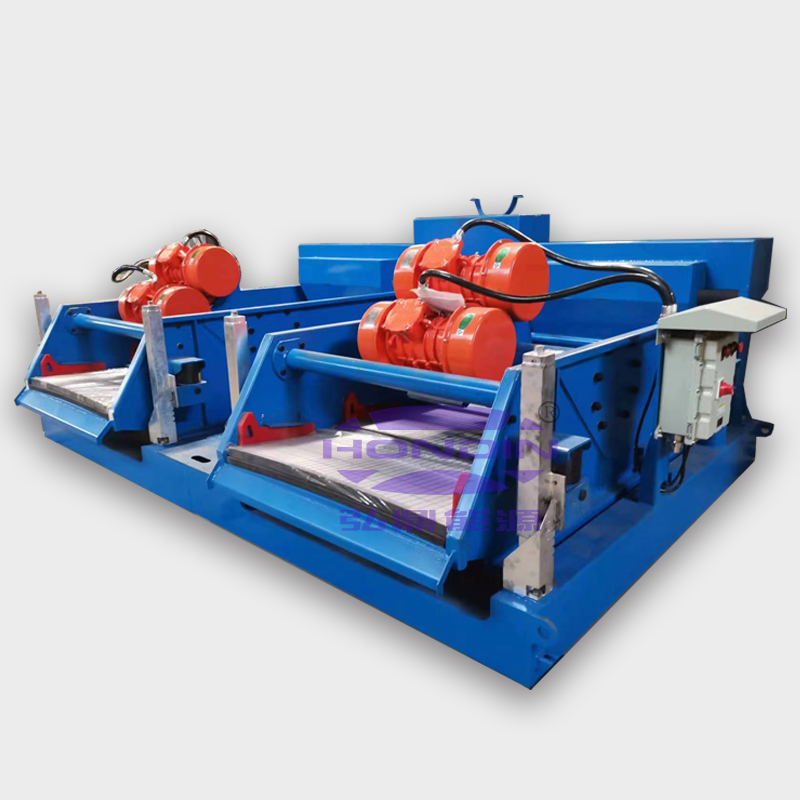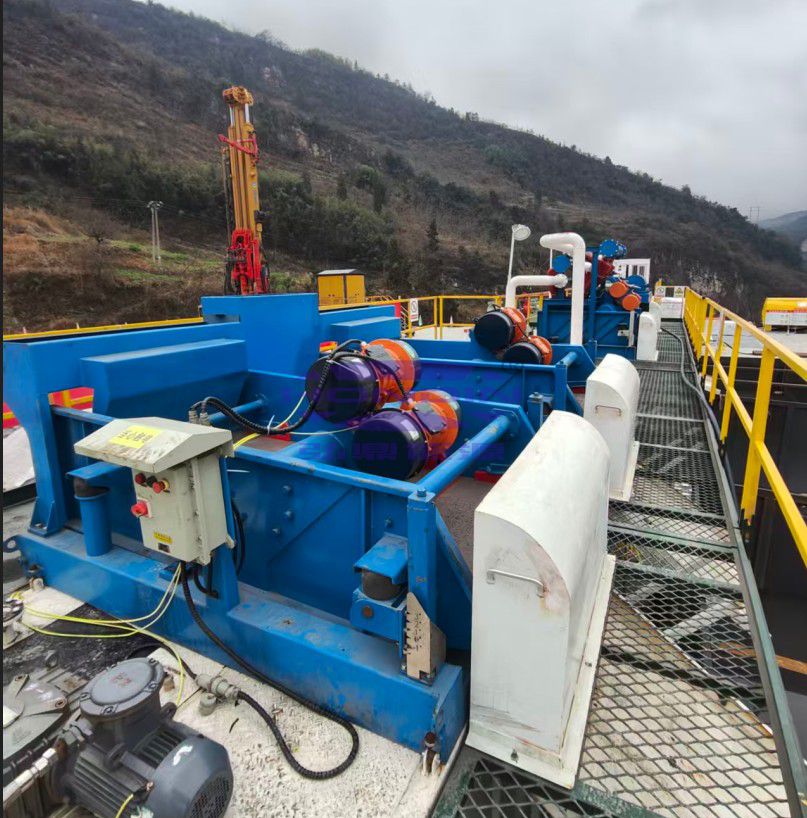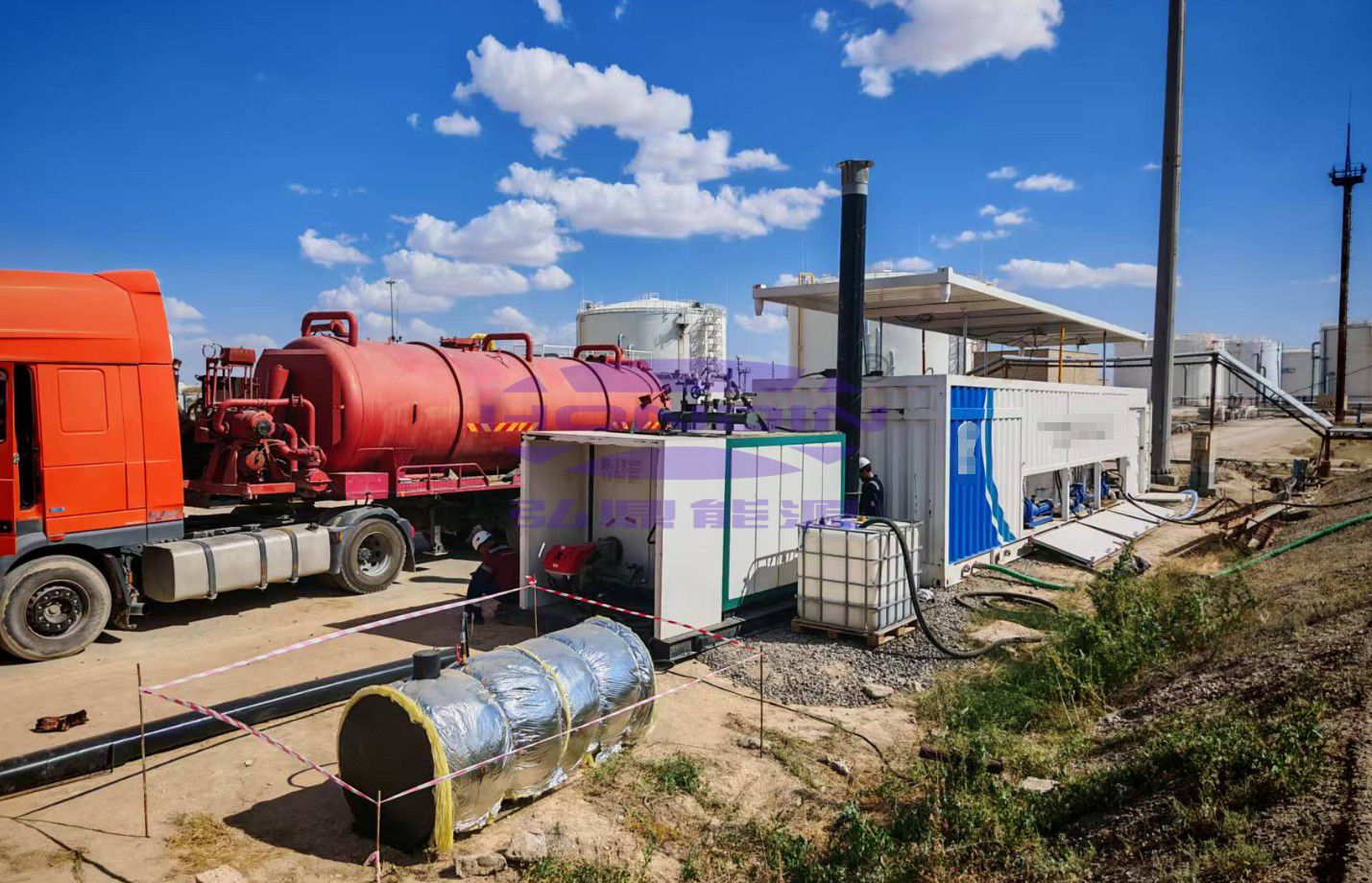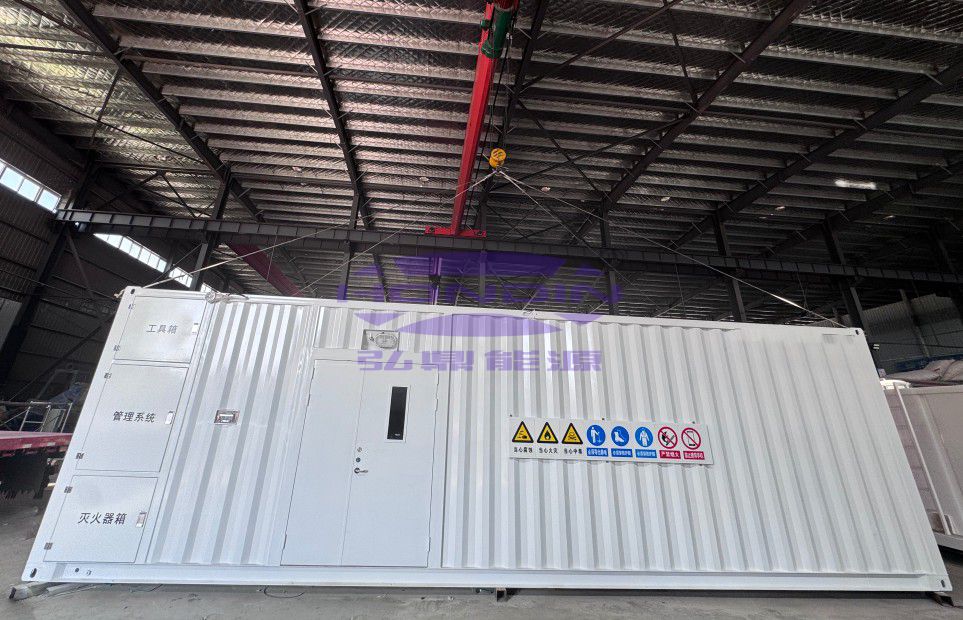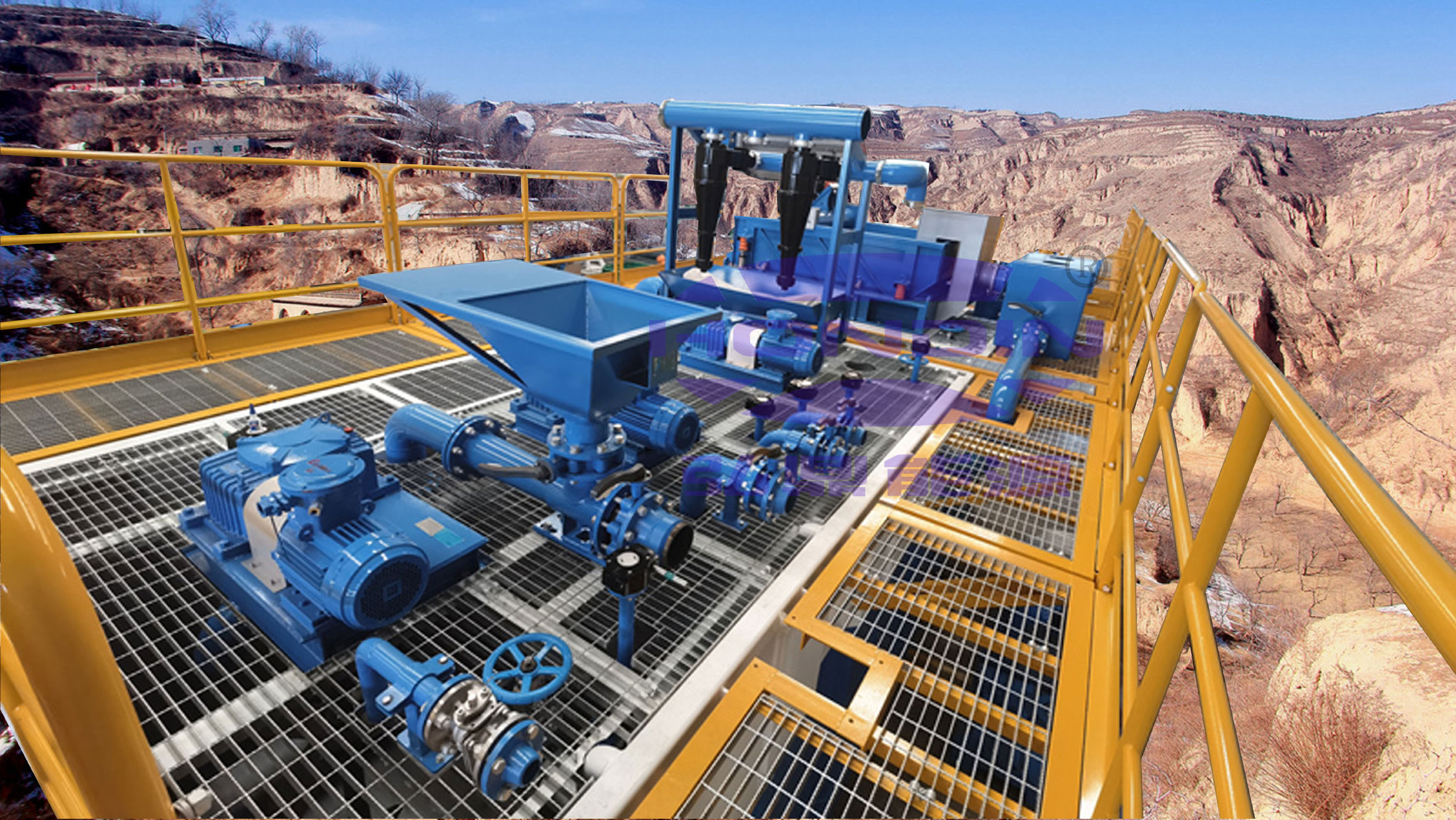

In the mud solid control system, after the vibrating screen, as the 'first line of defense', completes the separation of coarse particles, the collaborative effect of the desander and the centrifuge becomes the key to achieving the 'precise classification' of solid-phase particles. Through different physical principles and division of labor, these two devices efficiently separate the solid-phase particles in the mud according to their particle sizes. This not only ensures the stability of the drilling fluid performance but also improves resource utilization and environmental protection benefits. This article will deeply analyze the collaborative mechanism and application value of this 'golden partnership'.
Desander: Capturing Medium-sized Particles with Centrifugal Force
- Working Principle: The solid-containing mud enters the cyclone of the desander tangentially. The high-speed rotation generates centrifugal force, causing the solid-phase particles with relatively high density (74μm - 44μm) to be thrown towards the wall of the device and discharged downward along the cone. The liquid phase and fine particles are then discharged from the central overflow pipe.
- Core Parameters: The treatment capacity is usually 50 - 200m³/h. The separation efficiency is affected by the inlet slurry pressure, the diameter of the cyclone, and the size of the sand discharge port.
Centrifuge: Ultra-high-speed Rotation for Ultra-fine Separation
- Working Principle: After the mud enters the drum, through high-speed rotation (3000 - 5000rpm), a strong centrifugal force is generated, separating the ultra-fine particles (<15μm) and weighting agents such as barite. The liquid phase is discharged through the overflow port, and the solid phase is conveyed to the slag discharge port by the screw pusher.
- Core Advantages: It has a high separation accuracy and can recover more than 90% of the barite, reducing material costs.
The First Stage: The Desander's 'Pre-screening' Reduces the Burden on the Centrifuge
- The desander preferentially separates medium-sized particles above 74μm, reducing the treatment capacity of the centrifuge (by about 30% - 50%). This avoids the overload or decrease in separation efficiency of the centrifuge due to the excessive concentration of ultra-fine particles.
- Case: In a shale gas project, the pre-treatment by the desander reduced the centrifuge's treatment capacity from 150m³/h to 80m³/h, and the equipment's service life was extended by 20%.
The Second Stage: The Centrifuge's 'Deep Purification' Improves the Quality of the Mud
- After being treated by the desander, the solid content of the mud has been significantly reduced (the solid phase content is<8%). The centrifuge further removes ultra-fine particles and useless solid phases, making the mud's density, viscosity, and other indicators more stable.
- Data Support: When used jointly, the content of particles smaller than 15μm in the mud can be reduced from 12% to below 5%, significantly improving the rheology of the drilling fluid.
The Third Stage: Dual Optimization of Resource Recycling and Environmental Protection
- The barite recovered by the centrifuge can be directly reused in the mud preparation. The cuttings discharged by the desander have a water content of less than 30% after dewatering, which is convenient for environmental protection treatment.
- Economic Comparison: Compared with using a single device, using them jointly can reduce the mud cost by 25% - 40% and reduce the hazardous waste discharge by more than 40%.
Applicable Working Conditions
- Deep Wells/Ultra-deep Wells: It is necessary to strictly control the solid phase content to avoid the deterioration of the performance of high-density mud.
- High-solid-phase Drilling: Such as in gravel layers and sandstone formations, multi-stage separation is required to improve efficiency.
- Environmentally Sensitive Areas: Reduce sewage discharge to meet strict environmental protection regulations.
Matching of Key Technical Parameters
- Treatment Capacity Matching: The treatment capacity of the desander should be slightly larger than that of the centrifuge (it is recommended to be 1.2:1) to ensure continuous slurry supply.
- Particle Size Classification Optimization: By adjusting the specifications of the desander cyclone (such as 10 inches, 12 inches) and the drum rotation speed of the centrifuge, the 'seamless connection' of particle sizes can be achieved.
- Linkage of the Control System: Adopt a PLC intelligent control system, and automatically adjust the equipment parameters according to the mud density and solid phase content, such as the frequency of the inlet slurry pump and the differential speed of the centrifuge.
Selection Key Points
- Desander: Give priority to selecting wear-resistant materials (such as polyurethane linings) and multi-cyclone combinations (such as 16×10 inches), and the treatment capacity should cover the maximum displacement of drilling.
- Centrifuge: Select the drum material (such as stainless steel 316L) according to the mud density, and give priority to selecting a dual-motor drive (saving more than 30% of energy).
Maintenance Strategies
- Regular Inspection: Check the wear condition of the desander cyclone every week, and lubricate and maintain the bearings and seals of the centrifuge every month.
- Anti-blocking Measures: Control the sand content of the inlet slurry to avoid large cuttings from entering the system; set up a backwashing device to prevent the slag discharge port of the centrifuge from being blocked.
The collaborative effect of the desander and the centrifuge is essentially an art of balancing 'efficiency and accuracy'. The former quickly separates medium-sized particles through centrifugal force, and the latter achieves ultra-fine purification through ultra-high-speed rotation. Neither of them can be dispensed with. In the modern drilling field that pursues cost reduction, efficiency improvement, and green and low-carbon development, optimizing the collaborative mechanism of this 'golden partnership' will inject continuous vitality into the mud solid control system.
(Follow us to unlock more cutting-edge technologies in mud treatment!)