

Cases
Environmentally friendly treatment of drilling waste – achieving full compliance with solid and liquid standards and resource reuse.
Time:
2026-04-01
Drilling waste, including cuttings, waste mud, oily waste, and chemical additives, can cause soil salinization, heavy metal accumulation, and water and soil pollution if not properly treated, making it a key and challenging aspect of oilfield environmental management. Traditional methods such as solidification, flocculation, and backfilling are insufficient to achieve complete harmlessness and resource utilization.
This article introduces a drilling waste environmental treatment technology combining **'de-gelling + flocculation + separation + composite treatment'**. By optimizing bio-enzyme de-gelling agents, compound flocculants, and microbial activators, it achieves direct discharge of liquid phase while enabling resource utilization of the solid phase. This technology has been successfully applied in multiple wells within an oilfield, achieving stable results.
I. Industry Pain Points: Multiple Challenges in Drilling Waste Treatment
Drilling waste mainly consists of clay, weighting materials, chemical additives, inorganic salts, and sludge, and has the following characteristics:
High solid content (20%~52%), high viscosity (25~70 mPa・s), and high COD (2000~8000 mg/L);
Contains petroleum hydrocarbons, heavy metals, and alkaline substances, easily polluting soil and groundwater;
Conventional treatment is incomplete and fails to meet standards for direct discharge and use in agricultural and building materials.
To address these issues, an integrated treatment process combining physical, chemical, and biological technologies is being developed to achieve waste reduction, harmlessness, and resource recovery.
II. Core Technology Route: Depolymerization – Flocculation – Separation – Resource Utilization
The overall process adopts a drilling-while-processing, segmented compliance mode:
Dilution and Viscosity Reduction: Adding water and viscosity reducers lowers mud viscosity, improving treatment efficiency;
Depolymerization Reaction: Bio-enzymes depolymerize, degrading large molecules and stripping away oily waste;
Flocculation and Sedimentation: Highly efficient compound flocculants rapidly form large flocs;
Solid-Liquid Separation: Filtrate meets discharge standards, while the mud cake enters composite treatment;
Mud Cake Resource Utilization: Chemical oxidation + microbial fermentation + solidification enable utilization in agriculture/brick making/building materials.
III. Key Agent Selection: Bio-enzyme + Compound Flocculant + Microbial Activator
1. Optimal Debriding Agent: Bio-enzyme Offers the Best Debriding Efficiency
Comparison of the debriding effects of PAC, PAFC, iron salts, aluminum salts, and bio-enzyme:
Bio-enzyme has the shortest debriding time (25 min)
Large effluent volume and dense sediment;
Clear effluent with low color, effectively degrading large organic molecules and removing oily sludge;
Optimal dosage of 1.5%, balancing dewatering rate and COD control.
2. Optimal Flocculant: Amphoteric + Polyaluminum Chloride Compound
After comparing various flocculants in the laboratory, the following was determined:
Organic Main Agent: Starch-Modified Amphoteric Flocculant (A);
Inorganic Coagulant Aid: Polyaluminum Chloride (B);
Optimal Compound Ratio A:B = 1.5:1;
Advantages: Large flocs, rapid settling, dewatering rate 95%~97%, filtrate suspended solids as low as 95 mg/L.
3. Sludge Cake Composite Treatment: Microbial Activator Solidifies Heavy Metals
For heavy metal residues in sludge cake, a triple treatment approach is adopted:
Chemical oxidation: Sedimentation of heavy metals, with a removal rate of up to 85%;
Microbial fermentation: Engulfing and encapsulating heavy metals;
Solidation and sealing: Stabilizing heavy metals within the clay layer.
The optimal dosage of the microbial activator is 1.0%, and the treated sludge cake meets the 'Soil Environmental Quality Standard'.
IV. Optimal Treatment System Formula
After indoor optimization, the final formula for on-site application was determined as follows:
1.5% Bio-enzyme Deflocculator
1.0% Compound Flocculant
(Starch-Modified Amphoteric Fluoride 0.6% + PAC 0.4%)
1.0% Microbial Activator
V. Treatment Effect: Solid and Liquid Phases Meet Standards, Resource Utilization Available
1. Liquid Phase Indicators (Filtrate)
Suspended Solids: ≤10 mg/L
Petroleum Substances: ≤1.0 mg/L
COD: ≤40 mg/L
pH: Neutral
2. Solid Phase Cake Indicators
Significant removal of heavy metals such as cadmium, lead, zinc, and total chromium;
Meets standards for agricultural soil, brick making, and building materials;
Truly achieves 'turning waste into treasure'.
VI. Field Application: Verification of Drilling-While-Drilling Treatment in Two Wells of a Certain Oilfield
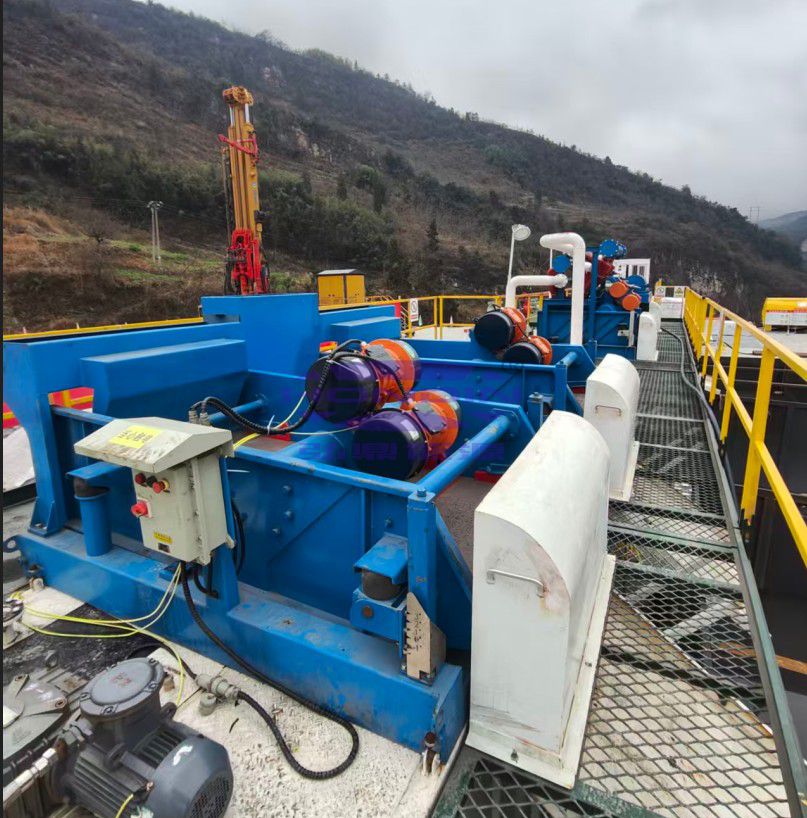
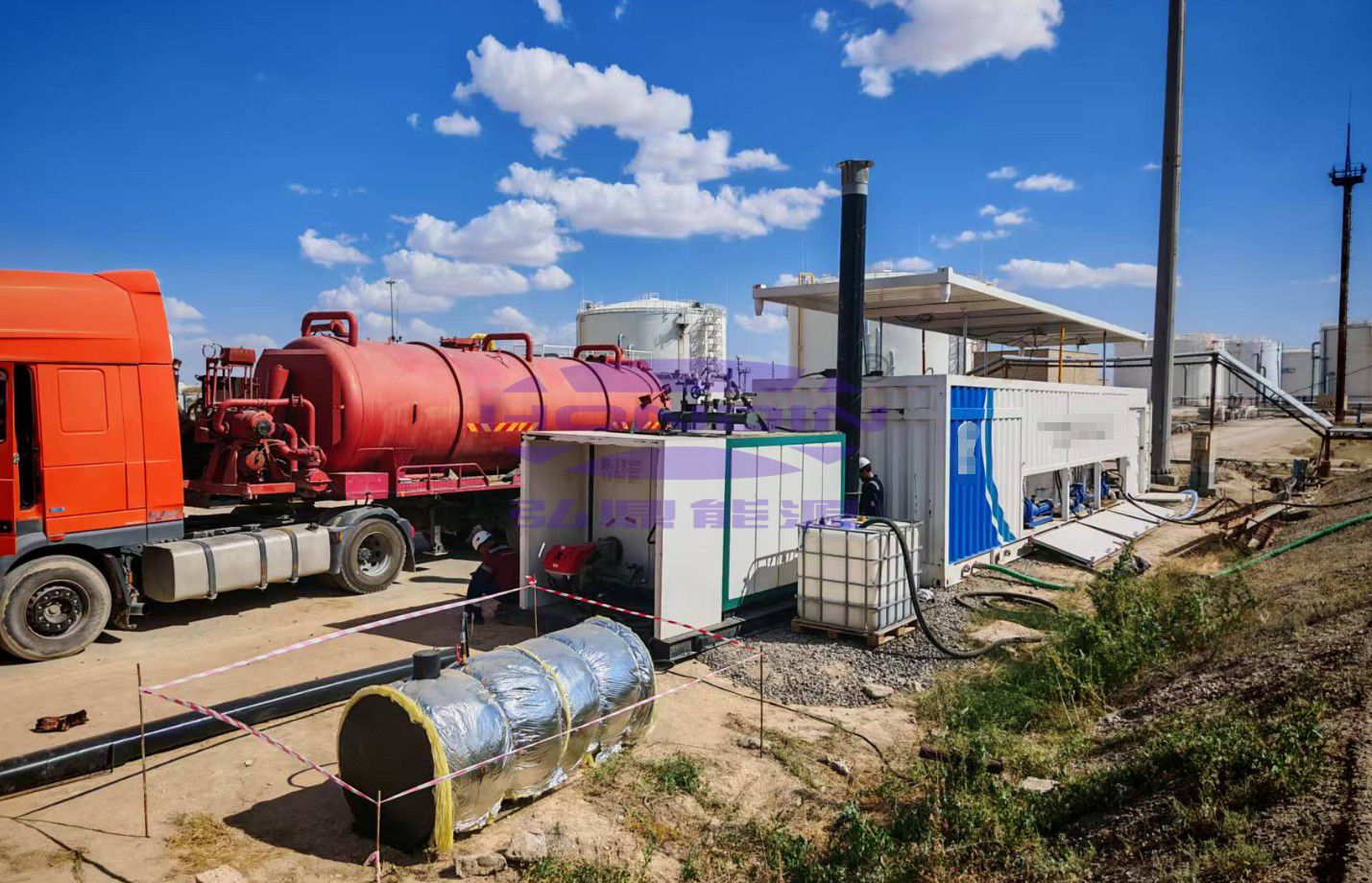
This technology was applied to the treatment of drilling waste mud in a certain oilfield well:
Both first and second drilling waste samples consistently met standards;
High treatment efficiency, allowing for simultaneous treatment during drilling;
No secondary pollution, controllable operation and maintenance costs.
Field data shows: Suspended solids, petroleum hydrocarbons, COD, pH, and color all met standards, demonstrating stable and reliable treatment results.
VII. Technical Advantages and Promotion Value
Environmental Compliance
Direct liquid phase discharge and solid phase resource utilization completely eliminate pollution risks;
High Efficiency and Stability
Short de-gelling-flocculation-separation process, adaptable to various mud systems;
Controllable Costs
Optimized reagent selection and dosage to meet the cost reduction needs of oilfields;
Resource Utilization
Mud cake can be used for farmland improvement, brick making, and building materials, turning waste into treasure;
Wide Applicability
Suitable for various drilling fluids, including polymer-based, silicon-based, and anti-collapse fluids.
In conclusion, the environmentally friendly treatment technology for drilling waste, with its core components of bio-enzyme depolymerization, compound flocculation, solid-liquid separation, and microbial solidification of heavy metals, has achieved a transformation from 'end-of-pipe treatment' to 'full-process resource utilization' of drilling waste. This technology offers stable treatment results, simple operation and maintenance, and economic feasibility, providing reliable technical support for green drilling, environmental compliance, and sustainable development in oilfields.








Hot Cases
-

How a Drilling Mud Solids Control System Improves Mud Reuse
-
How an Oily Sludge Treatment System Improves Oilfield Waste Management
-
HONDIN Energy Slurry Mixers: High-efficiency slurry mixing solutions suitable for various working conditions
-
The successful delivery of hazardous waste containers helps customers achieve standardized temporary storage management of hazardous waste.
-
Reco Water quality deterioration, easy clogging, tight deadlines? This skid-mounted oilfield and fracturing flowback fluid treatment system is designed for complex operating conditions!
-
Why are engineering projects becoming increasingly reliant on mud solids control systems?
-
Environmentally friendly treatment of drilling waste – achieving full compliance with solid and liquid standards and resource reuse.
-
Exploration of Improvements to Drilling Mud Non-Drop Equipment
-
Core Advantages and Application Analysis of Coalbed Methane Well Solids Control Systems
-
Core equipment of mud-free system
-
Current Status and Improvement Measures of Drilling Fluid Solids Control Systems
-
Understanding the Mud-Free System in One Article




Add: No.462 Jinggao South Road, Gaoling District, Xi'an, Shaanxi Province, China
Mob/WhatsApp: +86 186 2931 2932/ +86 187 2900 8271
E-mail: sales@hondinchina.com

Follow us:

点击右上角
分享给朋友吧
点击右上角
分享给朋友吧
Copyright © Xi'an Hondin Energy Technology Co., Ltd. All rights reserved
Copyright © Xi'an Hondin Energy Technology Co., Ltd. All rights reserved