

Cases
Core Advantages and Application Analysis of Coalbed Methane Well Solids Control Systems
Time:
2026-02-14
In the drilling process of coalbed methane wells, the solids control system plays a crucial role. The formation characteristics of coalbed methane wells often include issues such as sand return, cuttings, and coal dust, which means that the performance of the solids control system directly impacts the stability of the drilling fluid and operational safety. Inadequate solids control can lead to anything from drift in drilling fluid properties to, in severe cases, poor rock-carrying capacity, increased torque, or even the risk of stuck pipe.

I. Two Core Tasks of the Solids Control System
The core tasks of the solids control system are twofold: first, to separate the solid phase as early and as much as possible; second, to ensure stable mud properties, resulting in a cleaner circulation process, extended equipment lifespan, and reduced operating costs. Only through efficient solids control can efficient drilling fluid circulation and long-term stable equipment operation be achieved.
II. Multi-Stage Separation – Achieving Efficient Solids Control
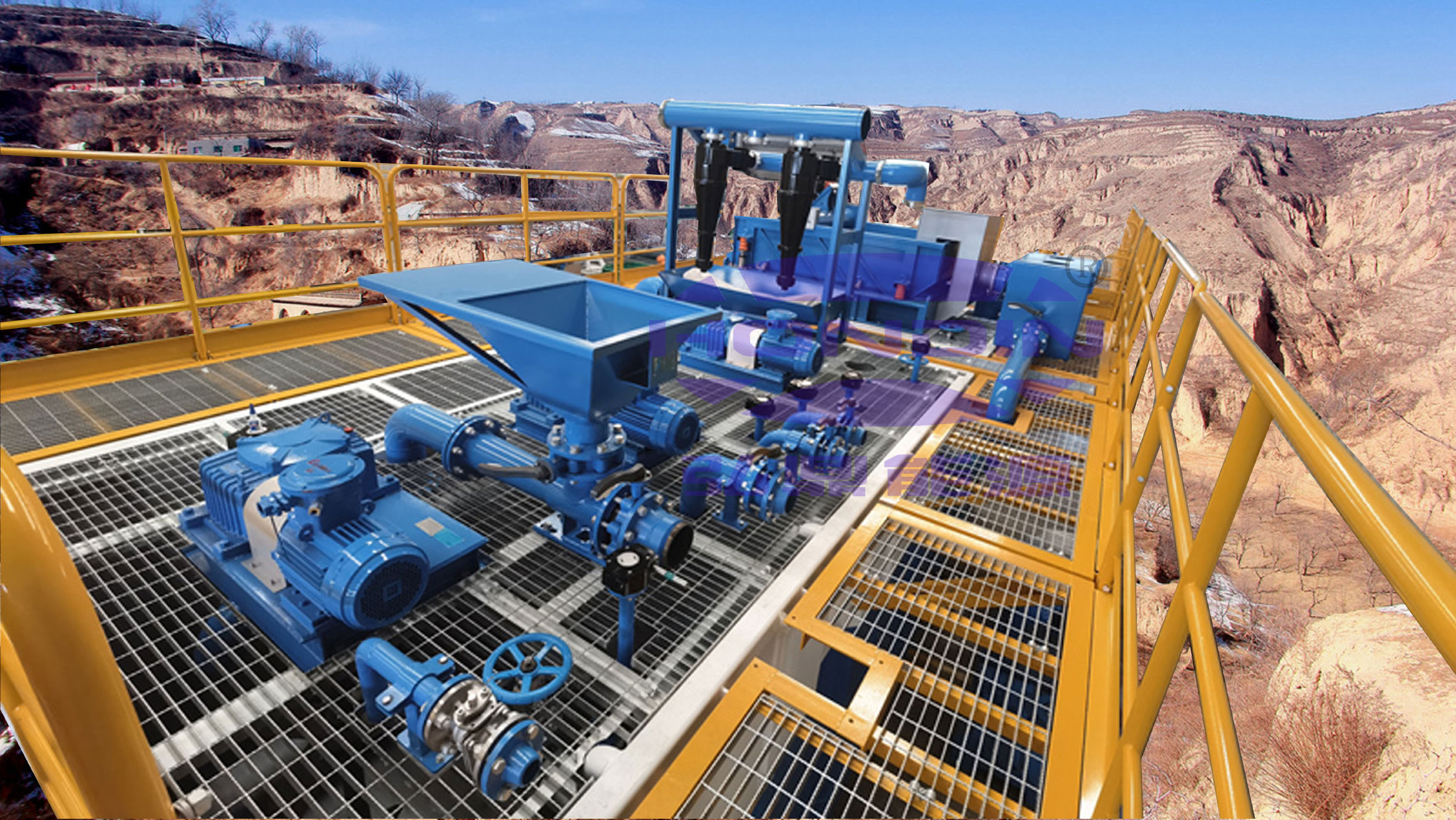
Our solids control system is designed based on the concept of 'multi-stage separation,' with strict control over every step of the process from returned mud to purification and reuse. It mainly includes modules such as [vibrating screen/vacuum deaerator/desander/desilter/mud cleaner/centrifuge/slurry tank/agitator/sand pump], forming a complete solids control system. The system gradually reduces the solid content in the drilling fluid through multi-stage separation, thereby achieving efficient purification.
The specific process is as follows:
Vibrating Screen: As the first line of defense, the vibrating screen promptly intercepts large drill cuttings in the returned mud, preventing large particles from entering subsequent processing steps.
Desanding and Desilting: After being treated by a vibrating screen, the drilling mud enters a desander and desilter, where medium and fine particles are removed through cyclone separation. This step ensures the basic cleanliness of the mud and reduces the pressure on subsequent processing modules.
Mud Cleaner and Centrifuge: After desanding and desilting, the mud cleaner and centrifuge further process fine solids, especially removing fine particles such as coal dust, further improving the purification effect of the mud and ensuring that the drilling fluid maintains good performance.
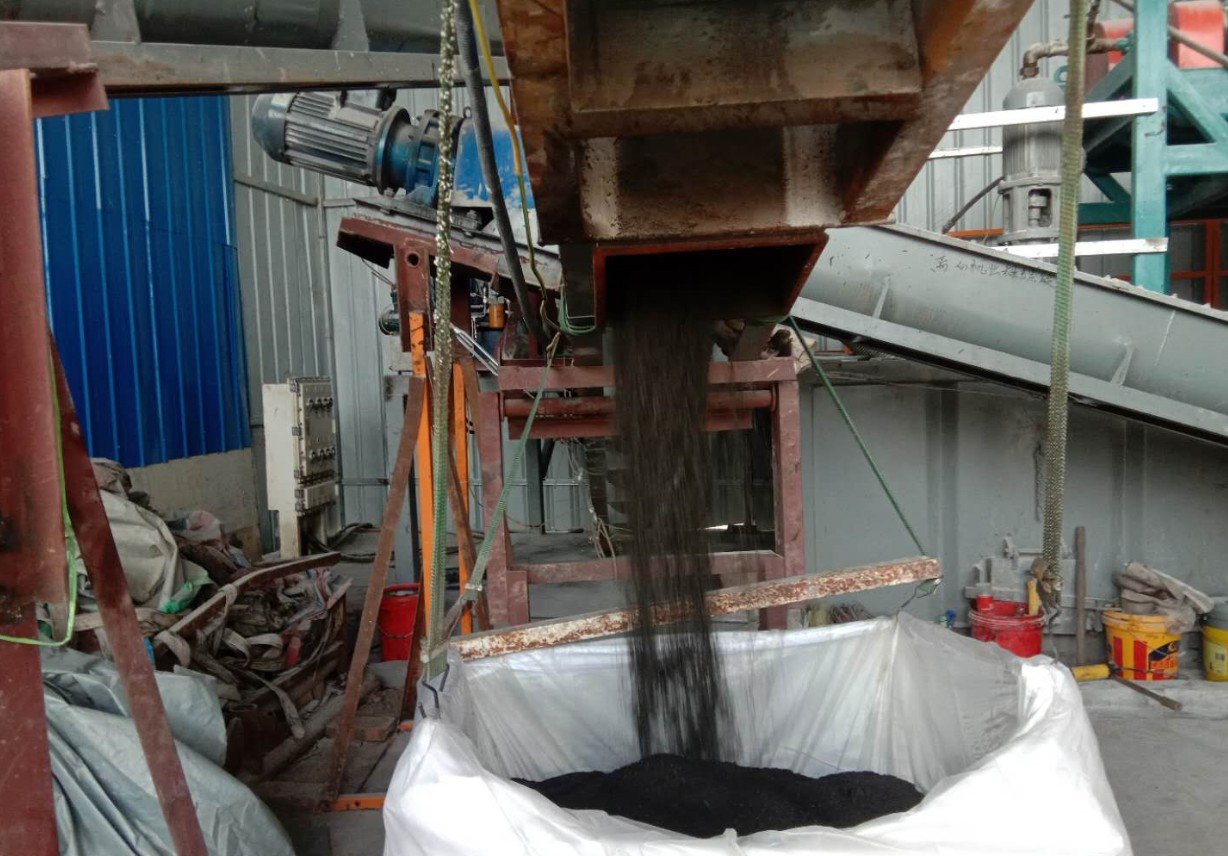
Solids Collection and Reuse: The treated solids are collected and transported off-site, while the purified drilling fluid returns to the storage tank, where it is evenly mixed by a mixer before entering the next cycle for reuse, maximizing resource utilization.
III. Stable Circulation and Equipment Protection: Through the operation of this complete solids control system, we can not only ensure the stability of the drilling fluid during drilling and reduce equipment wear, but also effectively reduce potential risks such as stuck pipe and torque escalation. This not only improves the safety of downhole operations but also greatly increases drilling efficiency.
In short: good solids control leads to more stable circulation, more durable pumps, and fewer downhole accidents.

IV. Field Application under Conditions of High Coal Powder Content
Project Background: During the construction of a coalbed methane well in Shanxi Province, the returned fluid contained excessive coal powder and fine debris. The circulating system experienced rapid accumulation of fine solids, leading to fluctuations in viscosity, pump pressure, and frequent screen replacements, impacting parameter stability and continuous drilling.
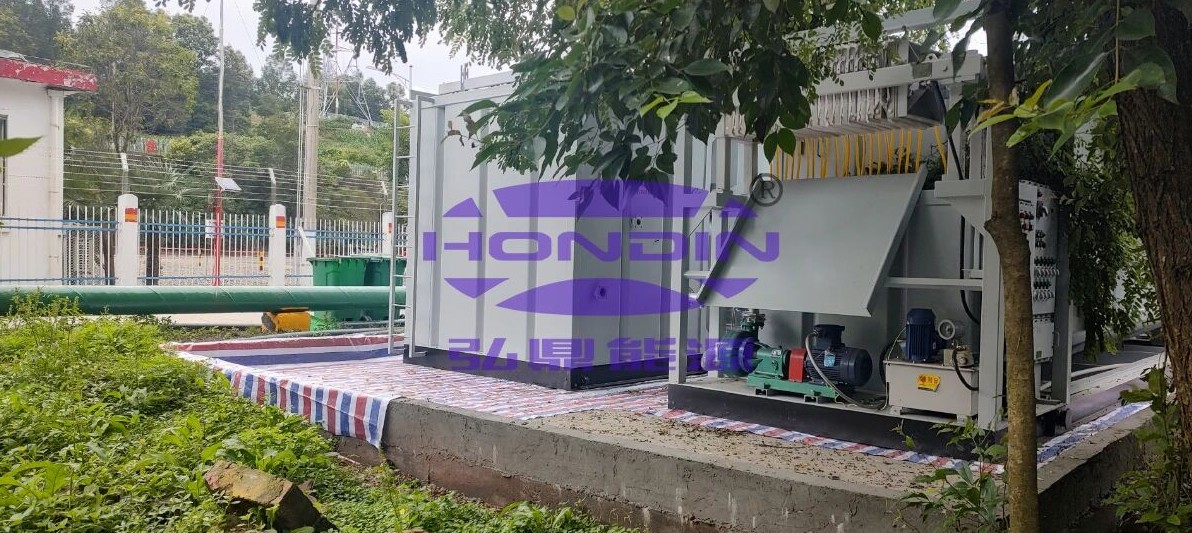
Solution: Our company's 'multi-stage separation' solids control configuration was adopted on-site. Screen mesh size, cyclone feed pressure, and centrifuge operating parameters were matched and adjusted according to the operating conditions. Solids discharge and recycling were standardized (solids were centrally collected and transported off-site; purified fluid was returned to the tank, stirred evenly, and then recirculated).
Application Results: Drilling fluid circulation cleanliness improved, and the accumulation rate of fine solids significantly slowed down;
Key parameter fluctuations converged, and on-site stability improved: torque/pump pressure/viscosity/density;
Equipment operation was smoother, and maintenance frequency decreased: screen replacement frequency/pump end wear/downtime;
The probability of complex downhole conditions decreased, resulting in better construction continuity.

V. Conclusion
Our company's coalbed methane well solids control system is not merely a single piece of equipment, but a meticulously designed multi-stage separation and treatment solution. Through layer-by-layer filtration and refined management, it provides a solid guarantee for the operation of every well. This efficient solids control system not only helps us improve operational efficiency but also plays a crucial role in ensuring equipment safety and reducing costs.
In future operations, we will continue to optimize and upgrade the solids control system to provide more stable, safer, and more efficient solutions for coalbed methane well drilling. If you have any needs for our solids control system or other downhole services, please feel free to contact us; we will provide you with a customized solution.








Hot Cases
-

How an Oily Sludge Treatment System Improves Oilfield Waste Management
-
HONDIN Energy Slurry Mixers: High-efficiency slurry mixing solutions suitable for various working conditions
-
The successful delivery of hazardous waste containers helps customers achieve standardized temporary storage management of hazardous waste.
-
Reco Water quality deterioration, easy clogging, tight deadlines? This skid-mounted oilfield and fracturing flowback fluid treatment system is designed for complex operating conditions!
-
Why are engineering projects becoming increasingly reliant on mud solids control systems?
-
Environmentally friendly treatment of drilling waste – achieving full compliance with solid and liquid standards and resource reuse.
-
Exploration of Improvements to Drilling Mud Non-Drop Equipment
-
Core Advantages and Application Analysis of Coalbed Methane Well Solids Control Systems
-
Core equipment of mud-free system
-
Current Status and Improvement Measures of Drilling Fluid Solids Control Systems
-
Understanding the Mud-Free System in One Article
-
Understanding Drilling Waste Management Systems in One Article





Add: No.462 Jinggao South Road, Gaoling District, Xi'an, Shaanxi Province, China
Mob/WhatsApp: +86 186 2931 2932/ +86 187 2900 8271
E-mail: sales@hondinchina.com

Follow us:

点击右上角
分享给朋友吧
点击右上角
分享给朋友吧
Copyright © Xi'an Hondin Energy Technology Co., Ltd. All rights reserved
Copyright © Xi'an Hondin Energy Technology Co., Ltd. All rights reserved