

Cases
Understanding the Mud-Free System in One Article
Time:
2025-11-05
I. What is a No-Dumping Mud System?
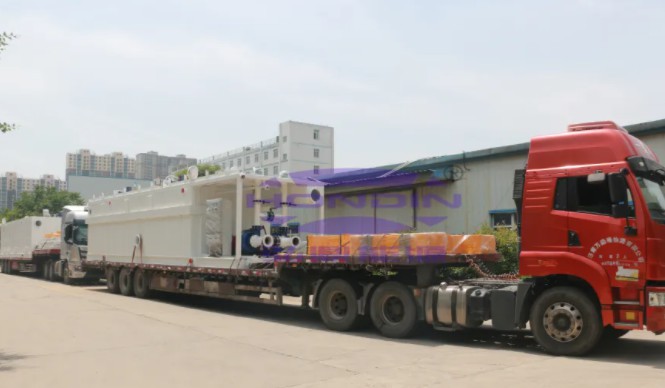
A no-dumping mud system is an advanced technology system used in oil drilling, mineral exploration, and foundation construction to treat waste mud generated during operations. Its core purpose is to prevent mud from being indiscriminately discharged onto the ground, achieving effective waste treatment and resource recycling through a series of technological processes.
In traditional operations, waste mud is often directly discharged or temporarily stored in simple mud pits, not only occupying a large amount of land resources but also easily causing serious pollution to soil, water, and air, threatening the ecological environment and human health. The emergence of no-dumping mud systems has completely changed this situation.
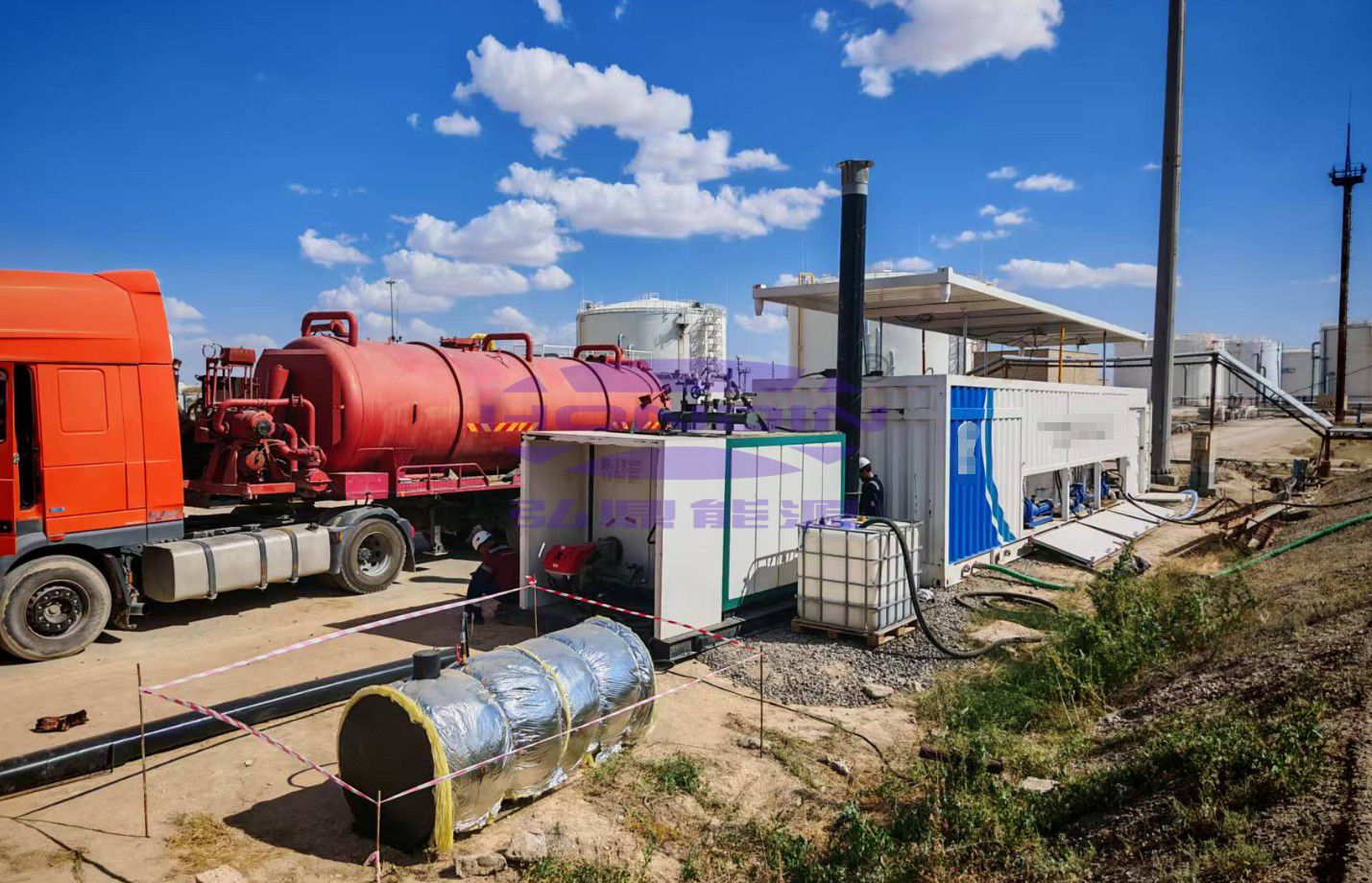
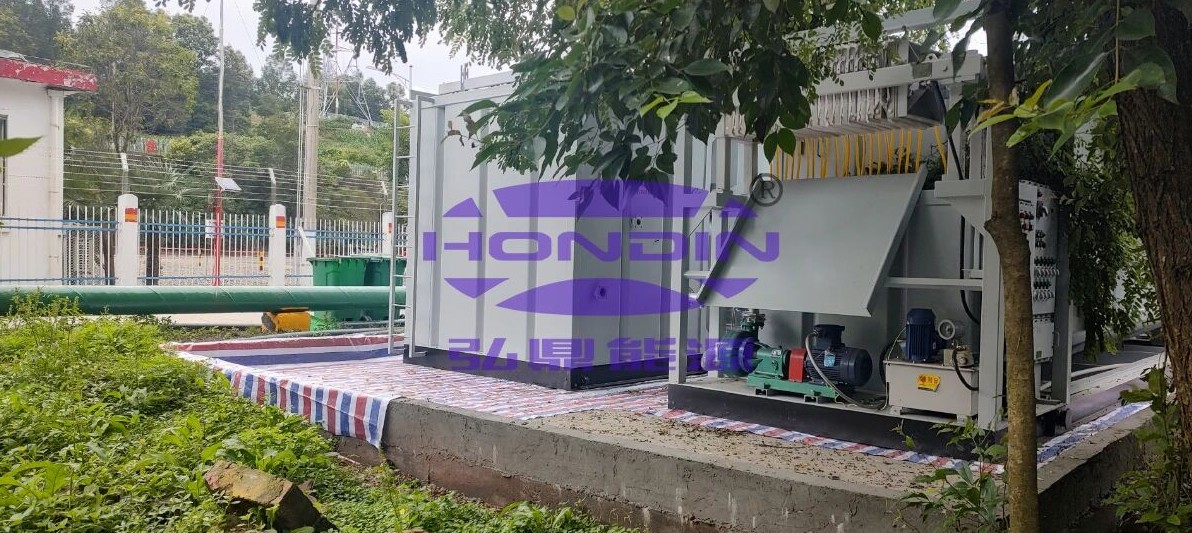
A no-dumping mud system typically encompasses several key stages, from mud collection and transportation, to solid-liquid separation, solid phase treatment, liquid phase purification, and finally resource recycling and compliant discharge, forming a complete and efficient treatment process. Taking the oil drilling industry as an example, during drilling, mud, as a key medium for carrying drill cuttings, cooling drill bits, and balancing formation pressure, generates a large amount of waste mud.
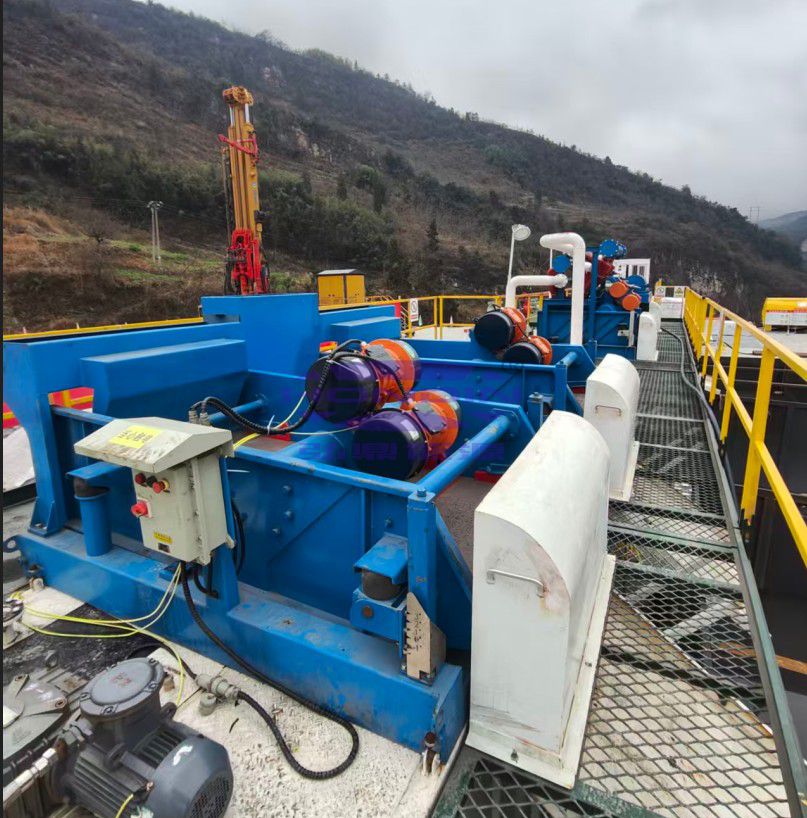
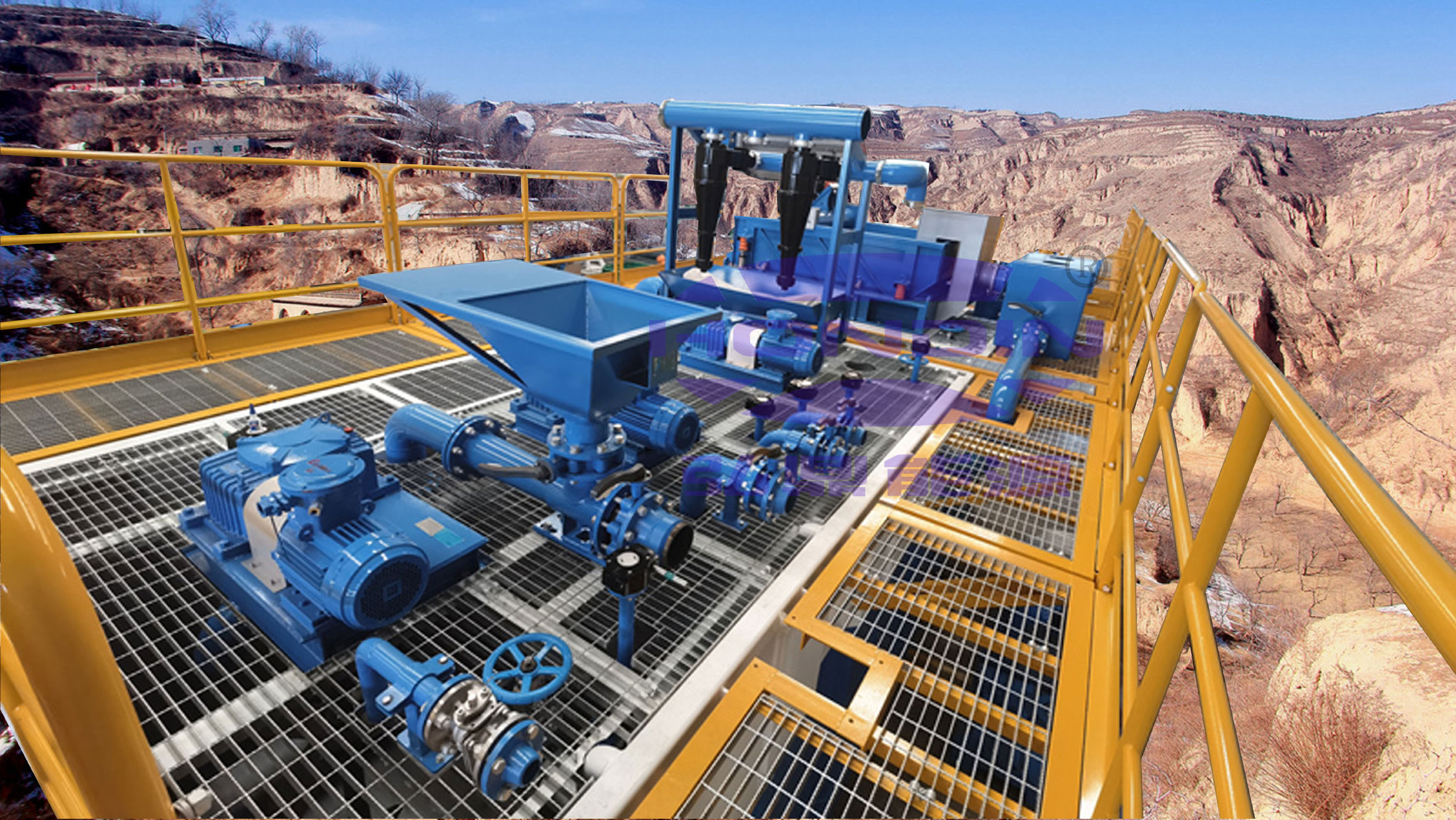
After being collected in a timely manner, the waste mud first enters a vibrating screen for preliminary separation, screening out larger drill cuttings. Then, the mud containing fine particles enters a desander and desilter, where centrifugal force is used to further remove sand and mud particles. The pre-treated mud then enters a centrifuge to achieve finer solid-liquid separation. The separated solid phase can be processed into building materials, such as bricks and roadbed filling materials, after further processing. The liquid phase is purified, and part of it can be reused in drilling fluid preparation, while the rest is discharged in compliance with standards.
II. Working Principle Revealed
(I) Core Steps
The working principle of the non-landing mud system is ingenious and efficient, mainly through three core steps: dilution, flocculation, and separation, transforming waste mud into reusable or safely discharged substances.
In the dilution stage, an appropriate amount of clean water or a specific diluent is added to the waste mud to reduce its concentration and viscosity, making it easier for subsequent processing, much like adding water to thick porridge to make it easier to stir and flow.
In the flocculation stage, a flocculant is added to the diluted mud. The high molecular polymer in the flocculant can chemically react with the fine particles in the mud, causing these particles to aggregate and combine, forming larger flocs, much like aggregating scattered pebbles, facilitating subsequent separation operations.
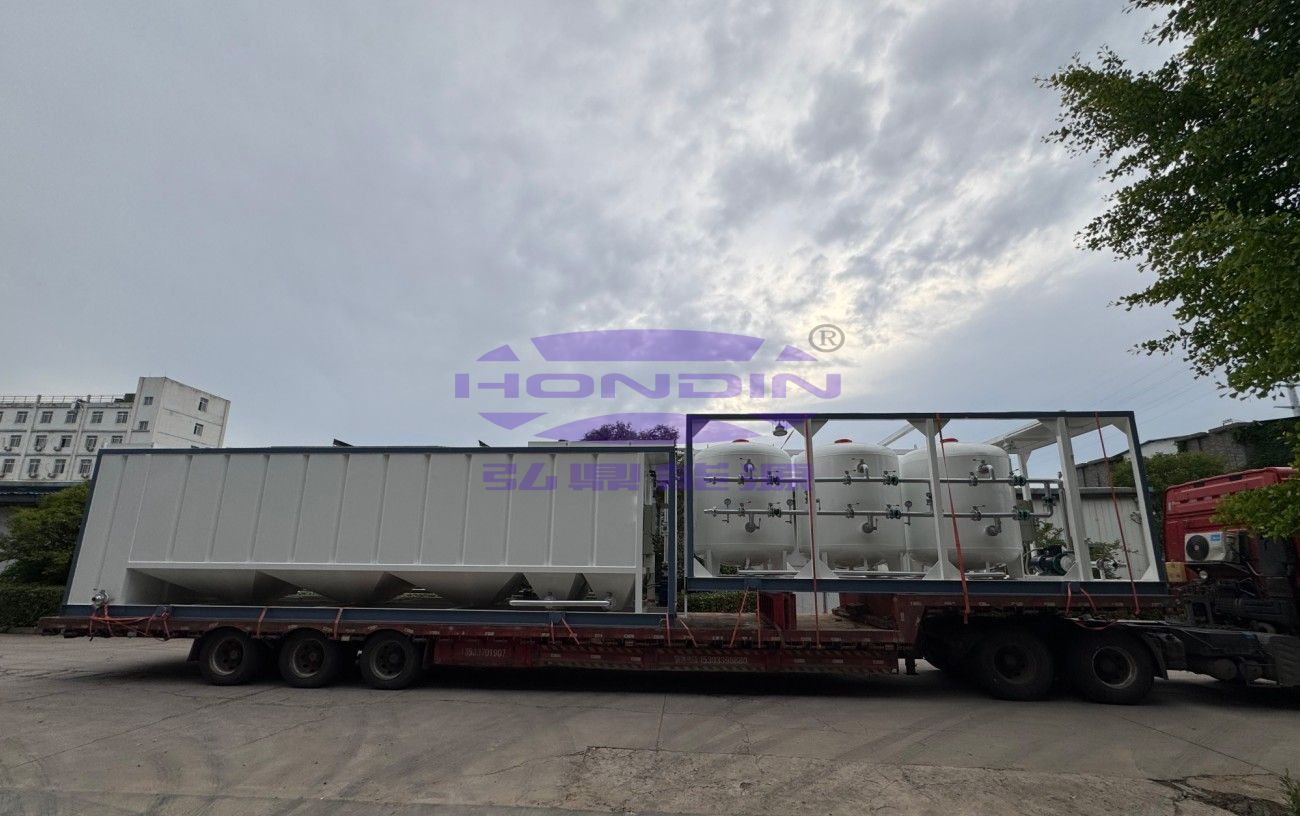
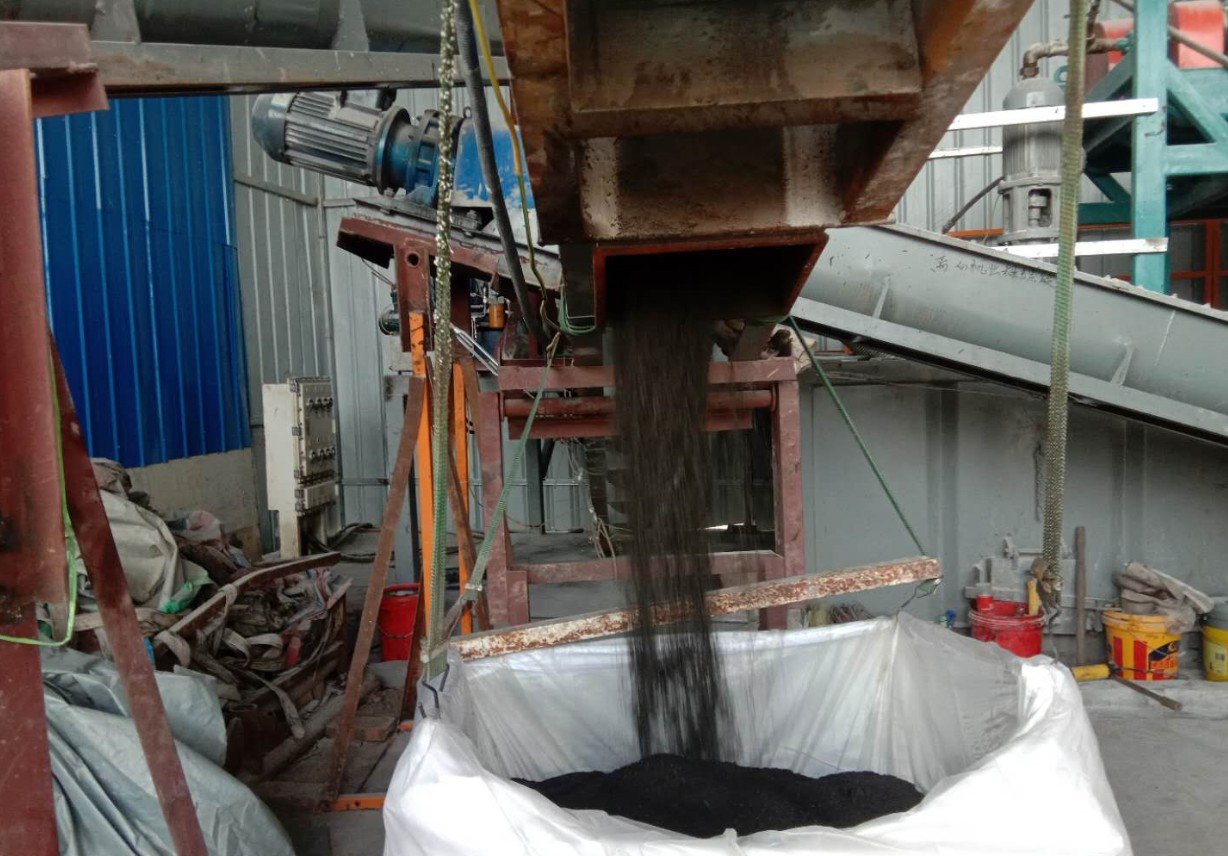
After flocculation, the mud enters the separation stage, which is usually achieved using a series of specialized equipment. Common equipment such as centrifuges and filter presses utilize centrifugal force or pressure difference to effectively separate the solid and liquid components in the mud. Ultimately, the waste mud is successfully transformed into three parts: rock, mud cake, and water. The rock portion, after being washed, further flocculated, and chemically treated, can be recycled as paving material in the construction industry. The mud cake is produced by removing harmful substances and chloride ions from the mud slurry into the water, followed by dehydration using vacuum adsorption or extrusion. This mud cake can be used for brick making or as raw material for other building materials. The separated water undergoes subsequent concentration treatment through flotation sedimentation, filtration, and reverse osmosis systems. The purified water, once meeting standards, can be reused in drilling cycles, achieving efficient recycling of water resources.
Taking the chamber filter press, commonly used in non-landing sludge systems, as an example, its operation is a crucial step in achieving solid-liquid separation. The chamber filter press mainly consists of numerous filter plates, which are closely arranged to form independent filter chambers. The surface of each filter plate is usually covered with a special filter cloth, which acts like a fine mesh, undertaking the important task of intercepting solid particles.
When waste sludge is pushed into these filter chambers by the powerful pressure of the feed pump, a major solid-liquid separation process officially begins. Under pressure, the liquid in the sludge, due to its own fluidity, smoothly passes through the tiny pores of the filter cloth, flows along the pre-designed grooves on the surface of the filter plate to the outlet channel below, and is finally discharged as clear filtrate;
Meanwhile, the solid particles in the sludge are relentlessly intercepted by the filter cloth. As the filtration process continues, these intercepted solid particles gradually accumulate and compact on the surface of the filter cloth, layer upon layer, eventually forming a filter cake with a certain thickness and shape. When the filter cake reaches a certain thickness, or the filtration pressure reaches the equipment's set upper limit, the filtration process temporarily ends.
At this point, by controlling the equipment's hydraulic system, the filter plates are gradually loosened and separated, allowing the filter cake to naturally detach from the adjacent plates, completing the unloading process. Afterwards, workers will carefully clean the filter cloth and filter plates to remove any remaining impurities, ensuring adequate preparation for the next round of filtration.
III. Application Scenarios
In the field of oil and gas exploration drilling, non-discharge mud systems are an indispensable key component. Taking my country's Tarim Oilfield as an example, drilling operations there face complex geological conditions and stringent environmental requirements. Non-discharge mud systems, through timely treatment of waste mud, not only effectively solve the potential threat of mud discharge to the surrounding desert ecosystem but also achieve resource recycling and reduce drilling costs.
In coalbed methane drilling, the Qinshui Coalbed Methane Field in Shanxi Province uses non-discharge mud systems to convert waste mud into raw materials for building materials, reducing a significant amount of waste discharge annually and providing a sustainable resource supply for the local construction industry.
Shale gas drilling projects also rely heavily on non-discharge mud systems. During the development of the Changning Shale Gas Field in Sichuan Province, advanced non-discharge mud technology was applied to successfully treat large amounts of waste mud, ensuring efficient shale gas extraction while protecting local mountain and water resources and the ecological landscape. The application of non-discharge mud systems is also widespread in trenchless engineering. In urban underground pipeline laying projects, the mud-free system can quickly handle the mud generated during construction, avoiding the impact on urban traffic and the environment, and ensuring the smooth progress of the project.
In tunnel boring and pipe jacking projects, the no-landing mud system plays a crucial role. In a tunnel boring project for the Shanghai Metro, this system achieved efficient mud treatment and water recycling, significantly improving construction efficiency and reducing urban environmental pollution.
In river dredging projects, the no-landing mud system was used in the Taihu Lake dredging project in Jiangsu Province. The system treated the dredging mud, reused the separated clean water for river replenishment, and used the mud cake for land improvement, effectively improving the water quality of Taihu Lake and the surrounding soil quality.
In building piling projects, the no-landing mud system promptly handles the mud generated during piling, maintaining a clean construction site and minimizing environmental impact. In a large-scale construction project, the application of the no-landing mud system made the construction site more standardized and orderly, improving construction safety and efficiency.
In the field of oilfield drilling waste and waste oil sludge treatment, the no-landing mud system effectively separates hazardous substances and recycles resources through waste treatment, reducing the risk of soil and groundwater pollution.
IV. Key Advantages
(I) Environmental Benefits
The application of the no-landing mud system has brought revolutionary changes to environmental protection, curbing the threat of waste mud to the ecological environment at its source. In oil and gas drilling operations, waste mud often contains large amounts of harmful substances, such as soluble heavy metal ions (e.g., Cr3+, Hg2+, Cd2+), organic pollutants (e.g., polycyclic aromatic hydrocarbons, phenols), and high-pH chemical treatment agents.
If these substances are discharged directly into the soil without treatment, it will lead to soil structure damage, decreased fertility, and affect crop growth. They may even enter the human body through the food chain, harming human health.
The pollution of water sources is equally significant. Pollutants in waste mud can enter rivers, lakes, and groundwater through rainwater runoff and surface runoff, increasing the chemical oxygen demand (COD) and reducing dissolved oxygen, leading to the death of aquatic organisms and disrupting the balance of the aquatic ecosystem.
The non-landing mud system effectively separates and treats harmful substances in waste mud through efficient solid-liquid separation and purification processes, greatly reducing the risk of pollution to soil and water sources.
(II) Resource Utilization
During the mud treatment process, the system fully explores the resource potential contained in the mud, maximizing resource utilization. Taking solid-phase treatment as an example, the solid substances after a series of treatments can be made into various building materials.
The separated rock cuttings, after water washing, flocculation separation, and chemical reaction treatment, can be used as high-quality paving materials for laying road base layers, with strength and stability meeting engineering requirements. The resulting mud cake can be used to make bricks. Through processes such as mixing with other raw materials, molding, and firing, the produced bricks have good compressive strength and durability, and are widely used in building wall construction.
In terms of liquid-phase treatment, the purified water can be reused for drilling fluid preparation, realizing the recycling of water resources. This not only reduces the extraction of fresh water resources and lowers water consumption, but also saves on drilling fluid preparation costs. In today's increasingly water-scarce world, this recycling model has significant practical implications.
(III) Economic Benefits
From a cost control perspective, the mud-free system reduces the cost of waste mud treatment. Traditional methods of waste mud disposal, such as solidification and landfill, require significant manpower, material resources, and financial investment. These include excavating storage ponds, purchasing solidifying agents, transportation, and landfilling, resulting in high costs.
In contrast, the no-landing mud system treats waste on-site, reducing transportation and storage costs. Furthermore, resource recycling lowers the cost of purchasing new resources. For example, an oilfield reduced its waste mud disposal costs by over 50% after adopting a no-landing mud system.
The additional value created by resource recycling is also a significant economic benefit. By processing the solid phase of the mud into building materials and purifying the liquid phase for reuse in production, companies not only reduce waste disposal expenses but also gain additional revenue through the sale of building materials or water conservation. For instance, in a building piling project, the use of a no-landing mud system to treat waste mud generated hundreds of thousands of yuan in sales revenue from building materials, while simultaneously saving substantial water procurement costs.
Furthermore, the no-landing mud system reduces land occupation, saving on land use costs. This advantage is particularly pronounced in areas with scarce land resources and high land prices. For example, in urban construction projects, the use of non-landing mud systems avoids the excavation of large mud pits, saves valuable land resources, and reduces land leasing or requisition costs.
V. Development Trends and Outlook
With increasing global environmental awareness and increasingly stringent environmental regulations, the application prospects of non-dumping mud systems will be even broader. In the oil and gas drilling sector, non-dumping mud systems will become standard equipment, widely used in both onshore and offshore drilling platforms to meet environmental requirements and achieve sustainable development. Taking oil drilling projects in the Middle East as an example, due to the increasing emphasis on environmental protection, more and more projects are adopting non-dumping mud systems for effective treatment and resource recycling of waste mud.
In other related industries, such as mineral exploration, building foundation construction, and river dredging, the application of non-dumping mud systems will continue to expand. In the field of mineral exploration, with the development of deep mineral resources, non-dumping mud systems will help solve the mud handling problems under complex geological conditions, ensuring the smooth progress of exploration work. In the field of building foundation construction, especially in urban centers, non-dumping mud systems can reduce the impact on the surrounding environment and improve the civility and safety of construction. In river dredging projects, non-landing sludge systems can treat the sludge generated during dredging, achieving water purification and rational utilization of soil resources, and improving the river's ecological environment.
It is foreseeable that non-landing sludge systems will play an important role in more fields in the future, making a greater contribution to global environmental protection and sustainable resource utilization.
Click:








文章推荐
Hot Cases
-

How a Drilling Mud Solids Control System Improves Mud Reuse
-
How an Oily Sludge Treatment System Improves Oilfield Waste Management
-
HONDIN Energy Slurry Mixers: High-efficiency slurry mixing solutions suitable for various working conditions
-
The successful delivery of hazardous waste containers helps customers achieve standardized temporary storage management of hazardous waste.
-
Reco Water quality deterioration, easy clogging, tight deadlines? This skid-mounted oilfield and fracturing flowback fluid treatment system is designed for complex operating conditions!
-
Why are engineering projects becoming increasingly reliant on mud solids control systems?
-
Environmentally friendly treatment of drilling waste – achieving full compliance with solid and liquid standards and resource reuse.
-
Exploration of Improvements to Drilling Mud Non-Drop Equipment
-
Core Advantages and Application Analysis of Coalbed Methane Well Solids Control Systems
-
Core equipment of mud-free system
-
Current Status and Improvement Measures of Drilling Fluid Solids Control Systems
-
Understanding the Mud-Free System in One Article




Add: No.462 Jinggao South Road, Gaoling District, Xi'an, Shaanxi Province, China
Mob/WhatsApp: +86 186 2931 2932/ +86 187 2900 8271
E-mail: sales@hondinchina.com

Follow us:

点击右上角
分享给朋友吧
点击右上角
分享给朋友吧
Copyright © Xi'an Hondin Energy Technology Co., Ltd. All rights reserved
Copyright © Xi'an Hondin Energy Technology Co., Ltd. All rights reserved