

Cases
What is frac flowback fluid and why must it be treated?
Time:
2025-08-18
In the development of unconventional oil and gas (such as shale gas, coalbed methane, and tight oil and gas), hydraulic fracturing is a crucial production-enhancing measure. It involves injecting fracturing fluid into the wellbore at high pressure, expanding formation fractures and releasing more oil and gas resources.
However, after the fracturing operation is completed, a portion of the fracturing fluid returns to the surface along with the formation fluids. This is commonly known as fracturing flowback.
So, what exactly is fracturing flowback fluid? Why is it necessary to treat it? This article will provide a systematic understanding.

1. What is fracturing flowback fluid?
Fracturing flowback fluid refers to the fluid that returns from the wellhead after the fracturing operation is completed. It consists of three components:
1. Fracturing fluid that is not absorbed by the formation—typically 20% to 80% of the total fracturing fluid volume;
2. Formation water/formation fluid—containing dissolved mineral salts;
3. Residual oil and gas, suspended solids, and chemical additives that are returned with the fracturing operation. Typical characteristics include:
• High salinity (reaching tens of thousands of milligrams per liter, far exceeding the salinity of seawater);
• Contains chemical components such as surfactants, breakers, and biocides;
• Fluctuating oil content and suspended solids concentrations;
• Initially clear, the flowback water gradually increases in impurities.
As a result, fracturing flowback fluid is highly polluting, complex, and difficult to discharge directly.
II. Why is fracturing flowback fluid treatment necessary?
Discharging flowback fluid without treatment can have serious consequences:
1. Environmental Pollution Risk
Discharging high-salinity wastewater into rivers will increase salinity and harm aquatic life;
Residual oil and chemical additives can contaminate soil and groundwater, posing long-term risks.
2. Regulatory and Compliance Requirements
Domestic and international environmental standards have strict restrictions on the discharge of flowback fluid, and untreated flowback fluid is considered hazardous waste.
Companies that violate discharge regulations may face heavy fines or even production suspensions. 3. Resource Waste and Increased Costs
Flowback fluid still contains reusable clean water and some chemical components.
Through treatment and reuse, fresh water consumption and chemical procurement costs can be significantly reduced.
Therefore, flowback fluid treatment is not only an environmental requirement but also a key measure for cost reduction, efficiency improvement, and sustainable development. III. Common Treatment Methods for Fracturing Flowback Fluid.
Currently, the following main processes are used for flowback fluid treatment:
1. Physical Separation
Sedimentation, Filtration, Centrifugation
Removal of Suspended Matter, Oil Droplets, and Large Particles
2. Chemical Treatment
Flocculation and Sedimentation, Oxidative Degradation, and Neutralization
Effective Removal of Heavy Metals, COD, and Residual Additives
3. Membrane Separation/Evaporative Crystallization
Nanofiltration, Reverse Osmosis, and Evaporative Concentration
Achieve 'Zero Discharge' and Reuse Recyclable Freshwater and Dry Salt
4. Integrated Treatment Equipment
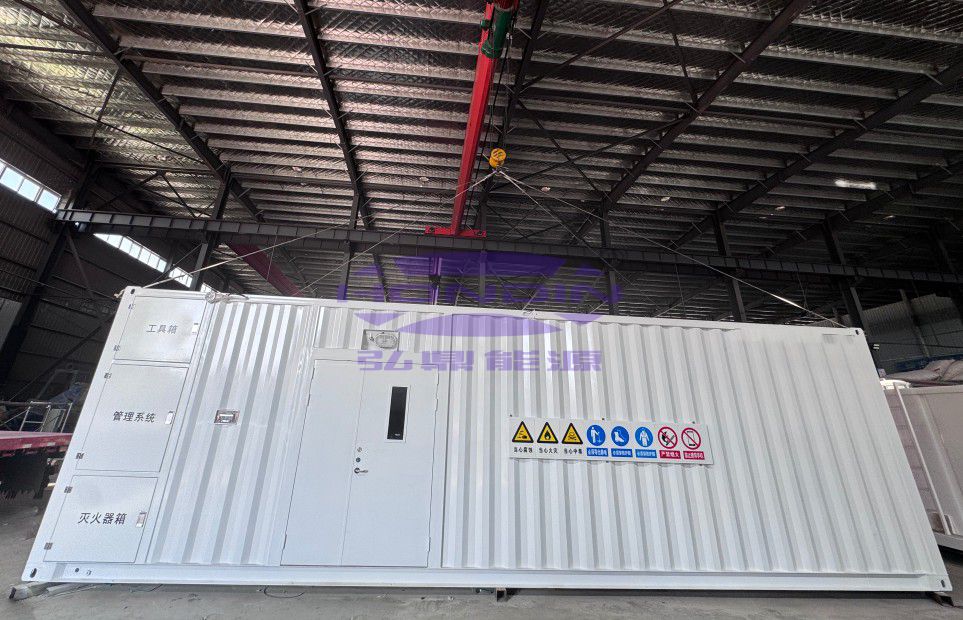
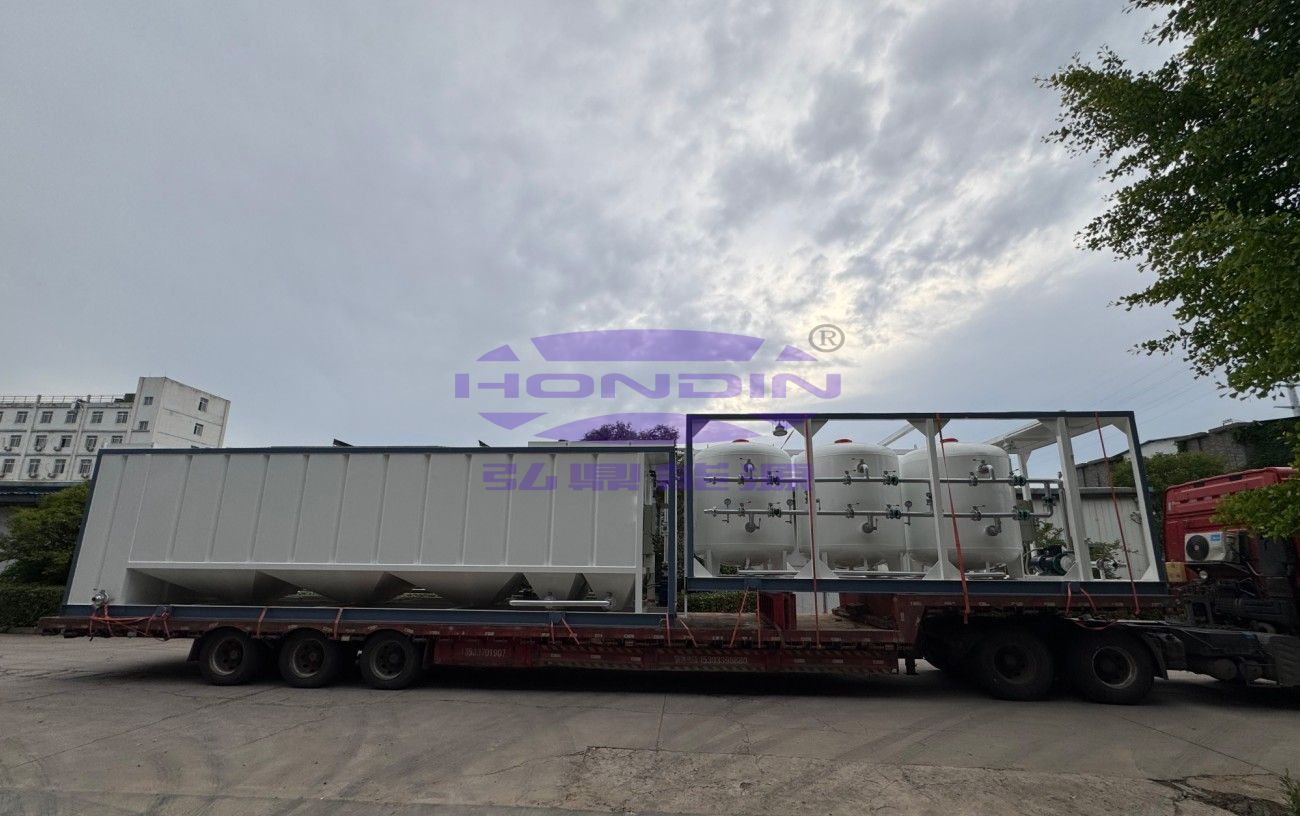
Integrates Multiple Processes to Meet On-site Mobility and Rapid Deployment Requirements
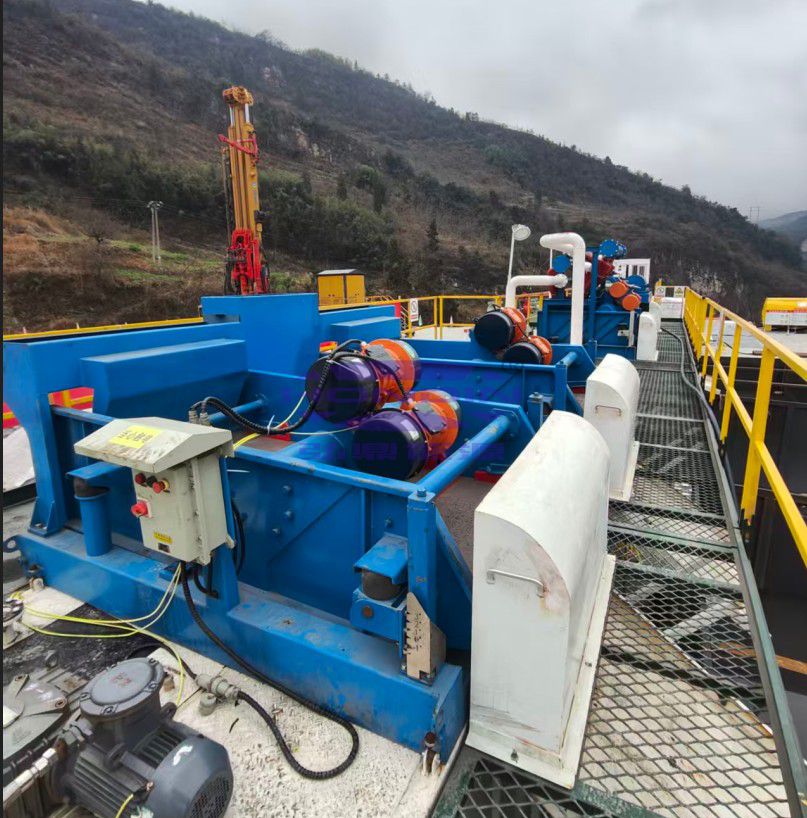
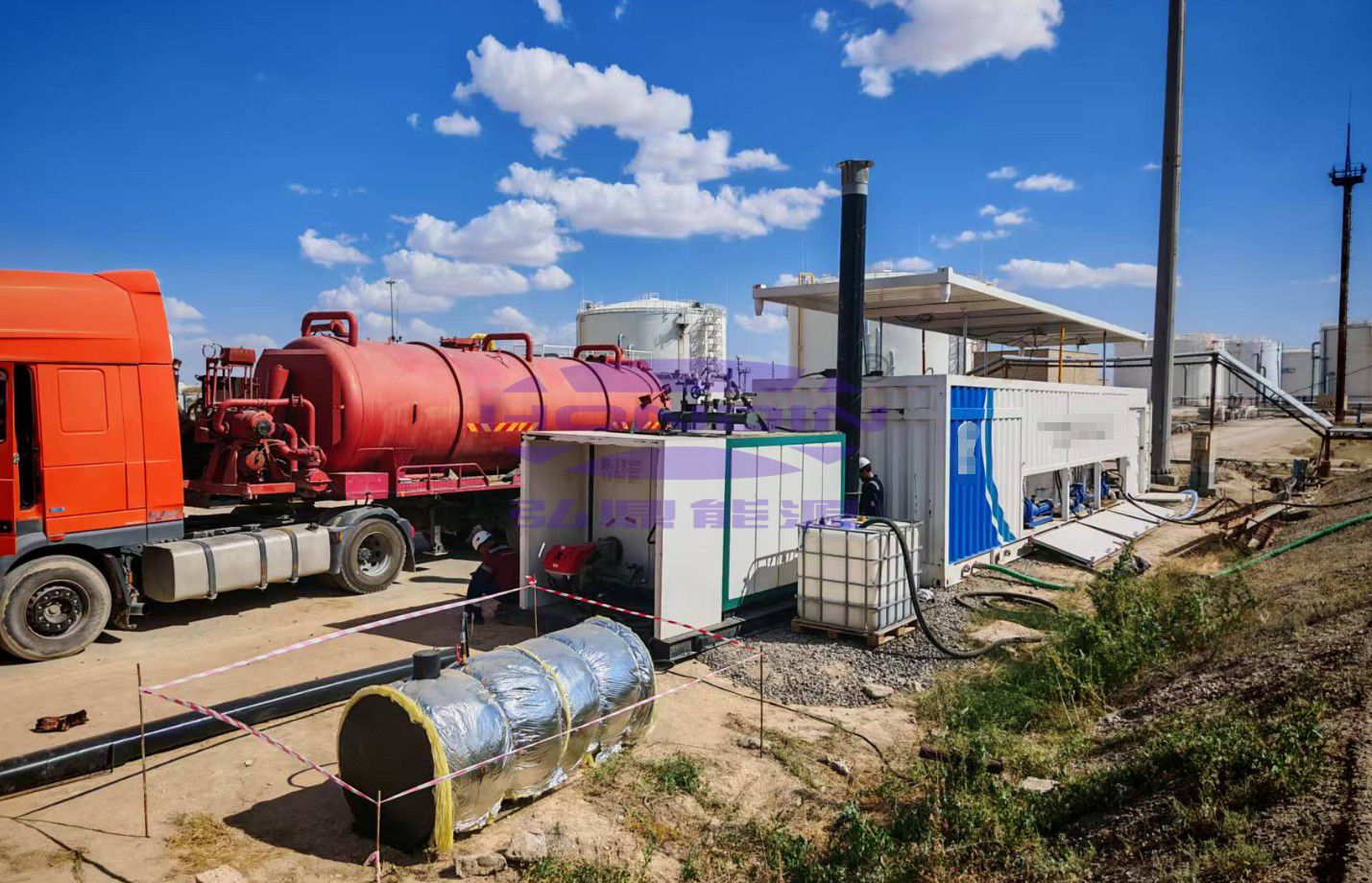
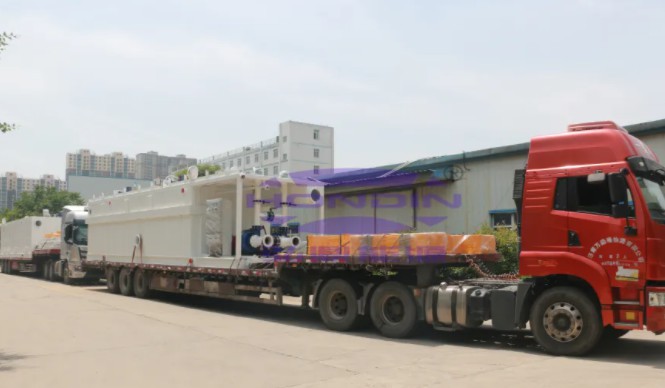
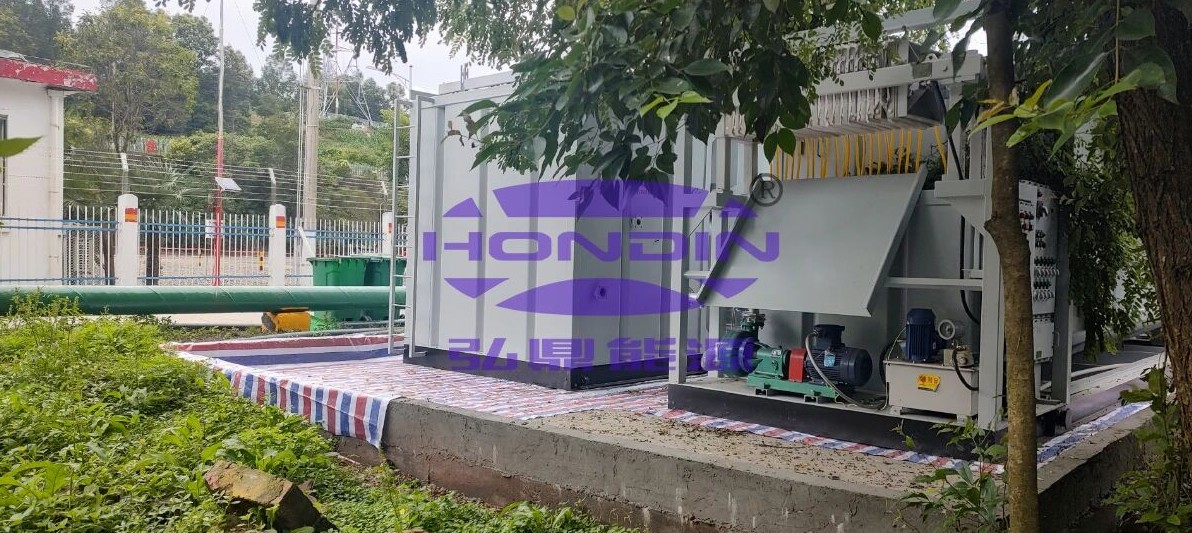
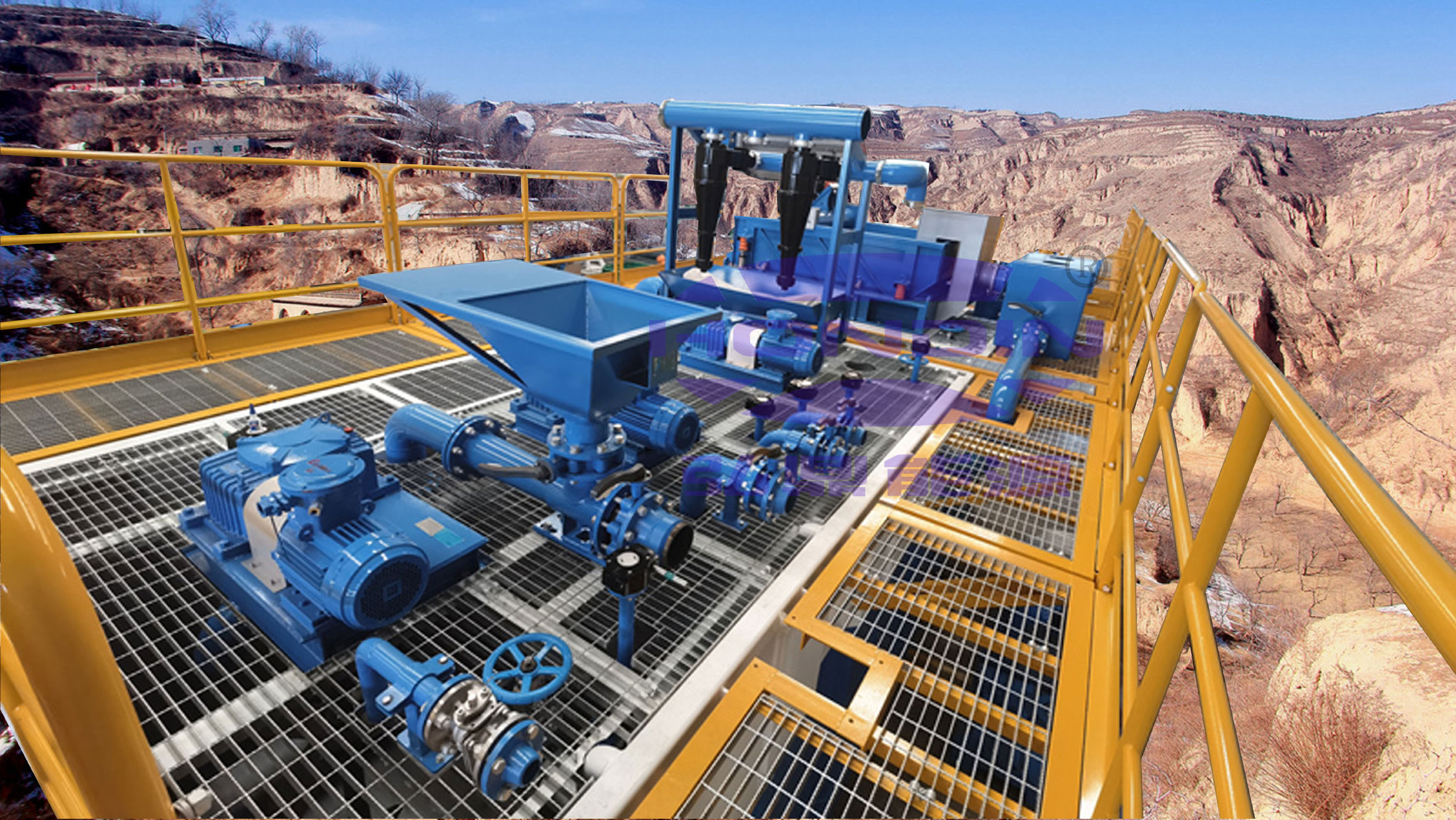
Our company's developed fracturing flowback fluid treatment equipment combines physical separation, chemical treatment, and membrane technology. It can flexibly combine processes based on flowback fluid quality, achieving standard discharge or reuse, significantly reducing environmental and operating costs.
IV. Application Value and Trends
Through scientific treatment, frac flowback fluid can not only be rendered harmless but also achieve:
• Water resource recycling: reducing reliance on surface water/groundwater;
• Partial chemical recovery: reducing construction material consumption;
• Compliant emissions: meeting environmental regulations and reducing corporate risks;
• Green and low-carbon: aligning with the 'dual carbon' goals and green energy development.
With tightening environmental policies and the continued development of unconventional oil and gas, market demand for frac flowback treatment equipment will continue to grow, evolving towards modularization, intelligence, and mobility.

Conclusion
Frac flowback fluid is an inevitable byproduct of unconventional oil and gas development. Its composition is complex and highly hazardous. Scientific and efficient treatment equipment and processes are essential to ensure project safety, environmental compliance, and cost optimization.
Leveraging years of field experience and R&D expertise, our company can provide oil and gas companies with customized frac flowback treatment solutions, helping them achieve green, efficient, and sustainable production goals.
For more case studies or equipment information, please feel free to contact us.








Hot Cases
-

How a Drilling Mud Solids Control System Improves Mud Reuse
-
How an Oily Sludge Treatment System Improves Oilfield Waste Management
-
HONDIN Energy Slurry Mixers: High-efficiency slurry mixing solutions suitable for various working conditions
-
The successful delivery of hazardous waste containers helps customers achieve standardized temporary storage management of hazardous waste.
-
Reco Water quality deterioration, easy clogging, tight deadlines? This skid-mounted oilfield and fracturing flowback fluid treatment system is designed for complex operating conditions!
-
Why are engineering projects becoming increasingly reliant on mud solids control systems?
-
Environmentally friendly treatment of drilling waste – achieving full compliance with solid and liquid standards and resource reuse.
-
Exploration of Improvements to Drilling Mud Non-Drop Equipment
-
Core Advantages and Application Analysis of Coalbed Methane Well Solids Control Systems
-
Core equipment of mud-free system
-
Current Status and Improvement Measures of Drilling Fluid Solids Control Systems
-
Understanding the Mud-Free System in One Article




Add: No.462 Jinggao South Road, Gaoling District, Xi'an, Shaanxi Province, China
Mob/WhatsApp: +86 186 2931 2932/ +86 187 2900 8271
E-mail: sales@hondinchina.com

Follow us:

点击右上角
分享给朋友吧
点击右上角
分享给朋友吧
Copyright © Xi'an Hondin Energy Technology Co., Ltd. All rights reserved
Copyright © Xi'an Hondin Energy Technology Co., Ltd. All rights reserved