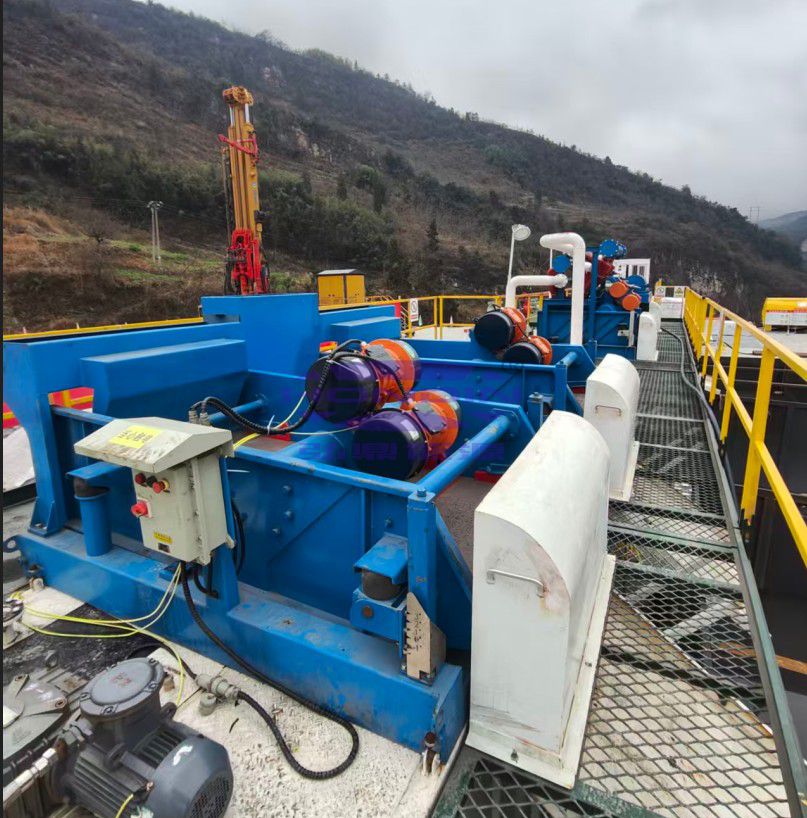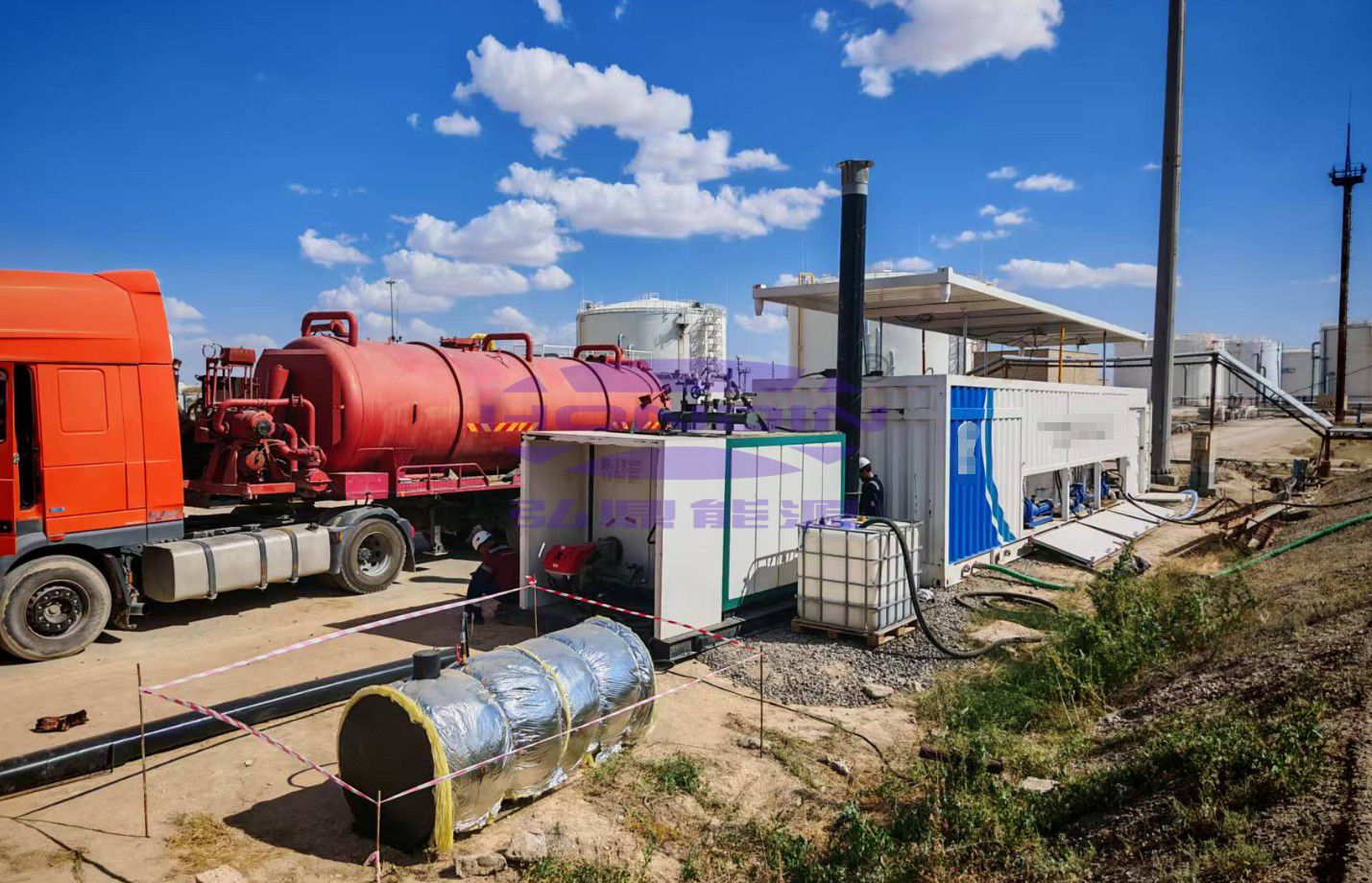

In oil, natural gas, and other energy drilling operations, drilling fluid is known as the 'blood of drilling engineering,' while the solid control system serves as the core equipment that safeguards the purity of this 'blood' and ensures the efficient progression of drilling operations. As drilling depths extend to ultra-deep wells and complex formations, and environmental policies impose increasingly stringent requirements on the disposal of drilling waste, solid control systems have long evolved from 'auxiliary equipment' to a critical link influencing drilling costs, operational efficiency, and ecological compliance. Their importance in the industry's development has become increasingly prominent.

The stable performance of drilling fluid directly determines drilling speed, drill bit lifespan, and downhole safety. During drilling, solid particles such as cuttings and rock dust continuously mix into the drilling fluid. If not promptly removed, these particles will increase the viscosity of the drilling fluid and reduce its fluidity—this not only raises the operational load of the drilling pump but may also cause bit balling, reducing the drilling speed by more than 30%, and even triggering downhole accidents such as lost circulation and wellbore collapse.
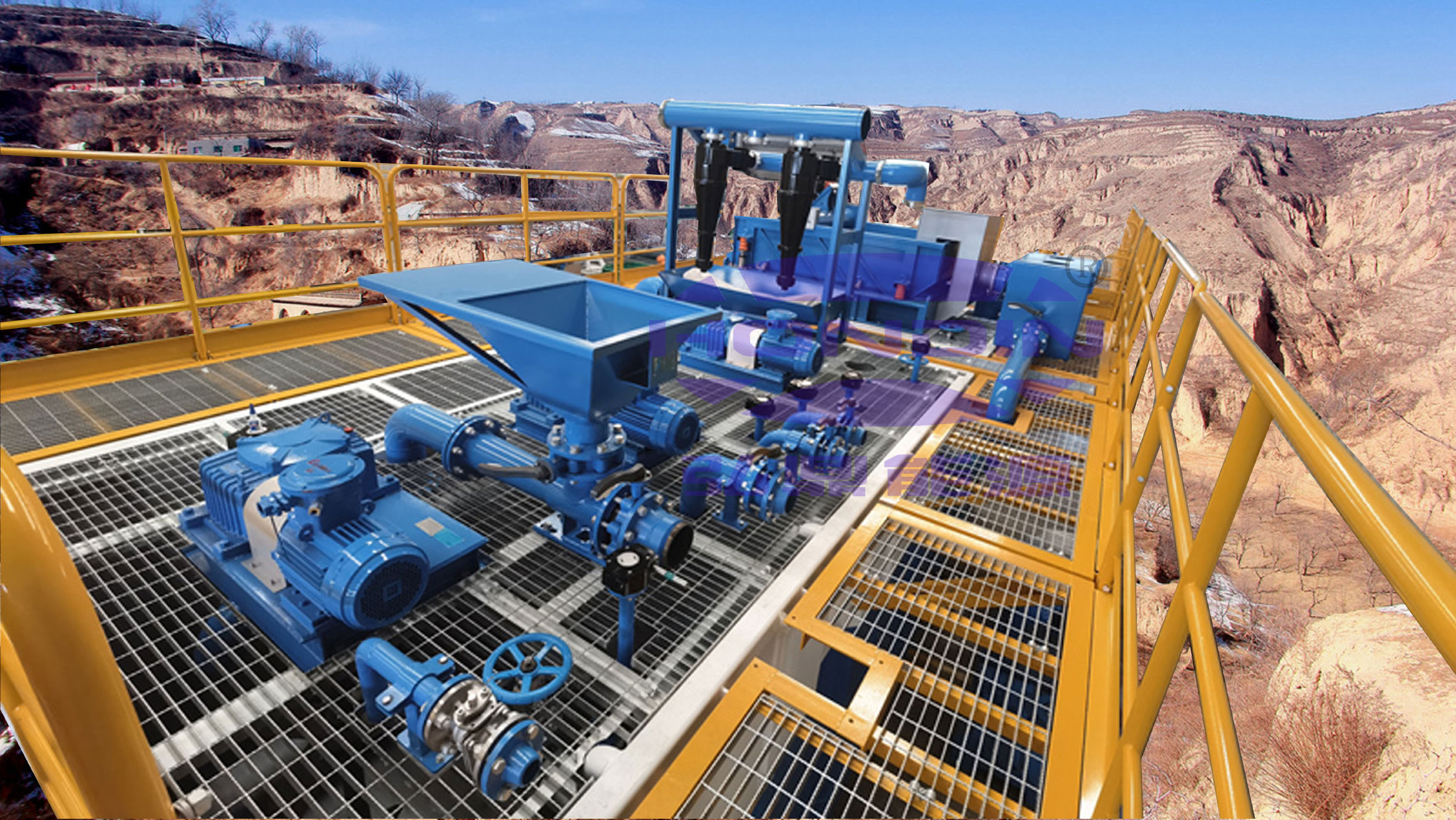
Through a hierarchical purification process of 'shale shaker (coarse screening) → desander (fine screening) → desilter (ultra-fine screening) → centrifuge (deep separation),' solid control systems can accurately remove solid impurities of different particle sizes: Shale shakers first separate cuttings with a particle size of ≥74μm; desanders and desilters further remove fine particles ranging from 10μm to 74μm; centrifuges capture colloidal impurities of 2μm to 10μm. This ensures the solid content of drilling fluid is stably controlled below 5%.
Take a shale gas field drilling project as an example: After applying a high-efficiency solid control system, the viscosity of the drilling fluid was consistently maintained within the optimal range of 35–45 seconds, and the drilling cycle per well was shortened from 45 days to 32 days, significantly improving drilling efficiency.
The preparation and replenishment of drilling fluid account for a major portion of drilling costs. High-quality drilling fluid can cost several hundred yuan per cubic meter, and the expense of drilling fluid for a single well often accounts for 15%–20% of the total drilling cost. In traditional operations, without effective solid control measures, drilling fluid becomes invalid due to solid contamination and requires frequent replacement—this not only causes massive resource waste but also incurs high costs for purchasing new fluid and disposing of waste slurry.
By recycling and regenerating drilling fluid, solid control systems drastically reduce the need for new fluid replenishment. Data shows that drilling platforms equipped with comprehensive solid control systems can achieve a drilling fluid reuse rate of over 85%. For instance, in an ultra-deep well consuming 200 cubic meters of drilling fluid per day, compared with operations without a solid control system, the monthly purchase of new fluid is reduced by more than 3,000 cubic meters, directly saving over 1.2 million yuan. Additionally, the purification and regeneration of drilling fluid by solid control systems also reduce the consumption of drilling fluid additives, further cutting costs and making these systems a 'key tool' for drilling enterprises to control expenses.

With the advancement of China’s 'dual carbon' goals (carbon peaking and carbon neutrality) and the strengthening of environmental supervision, the harmless disposal of drilling waste has become a mandatory requirement for drilling operations. Without treatment by a solid control system, waste drilling fluid containing large amounts of solid impurities, if directly discharged or landfilled, will cause soil salinization and groundwater pollution. This not only leads to heavy environmental fines but may also hinder the compliance progress of the project.
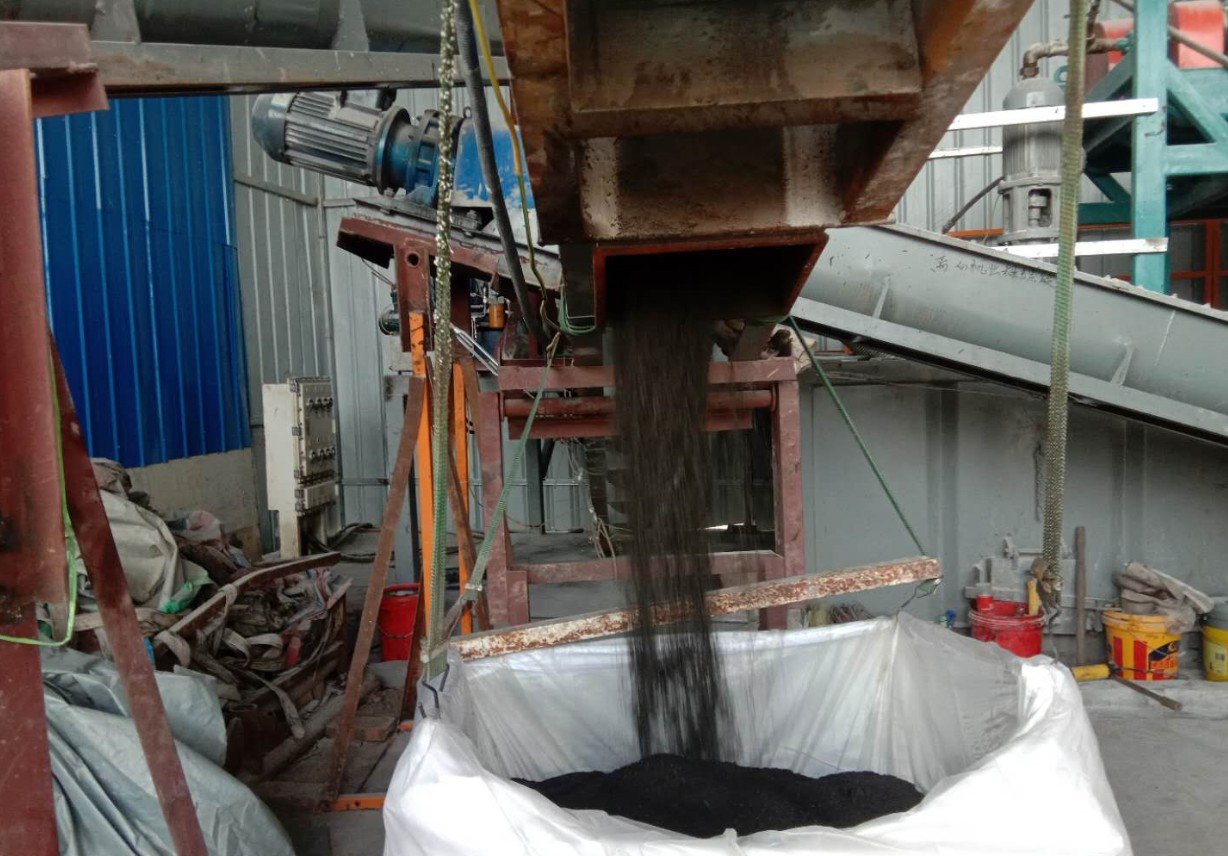
Through in-depth purification of drilling fluid, solid control systems achieve an environmental closed loop of 'solid separation → resource recovery → waste slurry reduction': The separated clean drilling fluid can be reused in drilling operations, while the separated dry cuttings, after simple treatment, can be partially used for paving wellsite roads or disposed of in compliant landfills. This reduces waste slurry discharge by over 80%.
In an oilfield drilling project in Xinjiang, after the application of a solid control system, the amount of waste slurry discharged per well decreased from 500 cubic meters to 80 cubic meters, and the moisture content of dry cuttings was below 20%—fully meeting the local environmental protection department’s requirement of 'zero-pollution discharge' and avoiding the risk of operational shutdowns caused by environmental issues.
Today, drilling operations have expanded from conventional onshore oilfields to complex scenarios such as deep sea, polar regions, and ultra-deep wells, placing higher demands on the adaptability and stability of solid control systems. In deep-sea drilling, solid control systems must be resistant to seawater corrosion and wind-wave turbulence; in ultra-deep well drilling, they need to withstand downhole high temperatures of over 150°C to ensure no loss of purification efficiency; in shale gas horizontal well drilling, they must coordinate with the regulation of drilling fluid performance to ensure the cuttings-carrying capacity in the horizontal section.
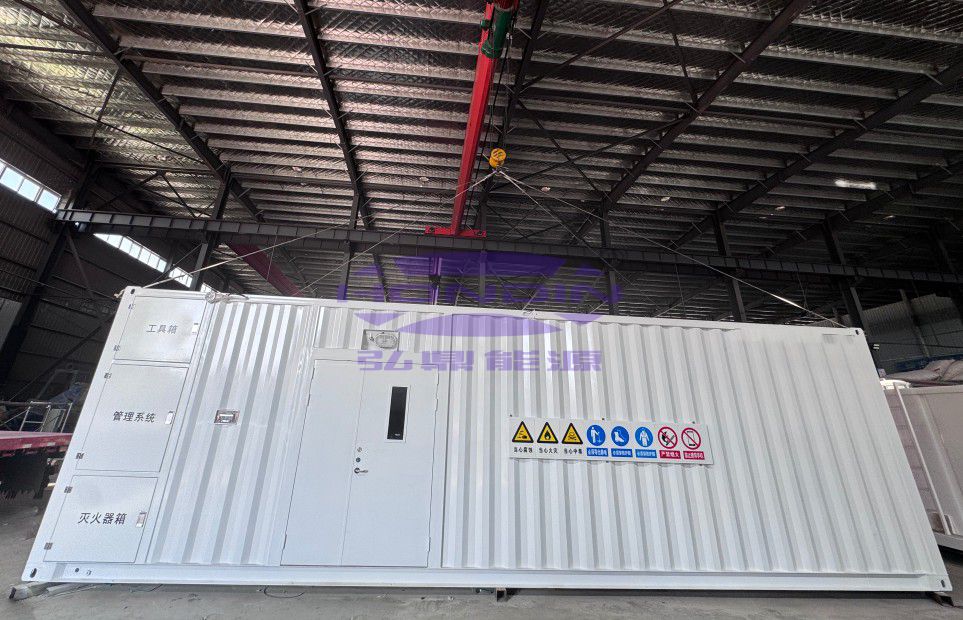
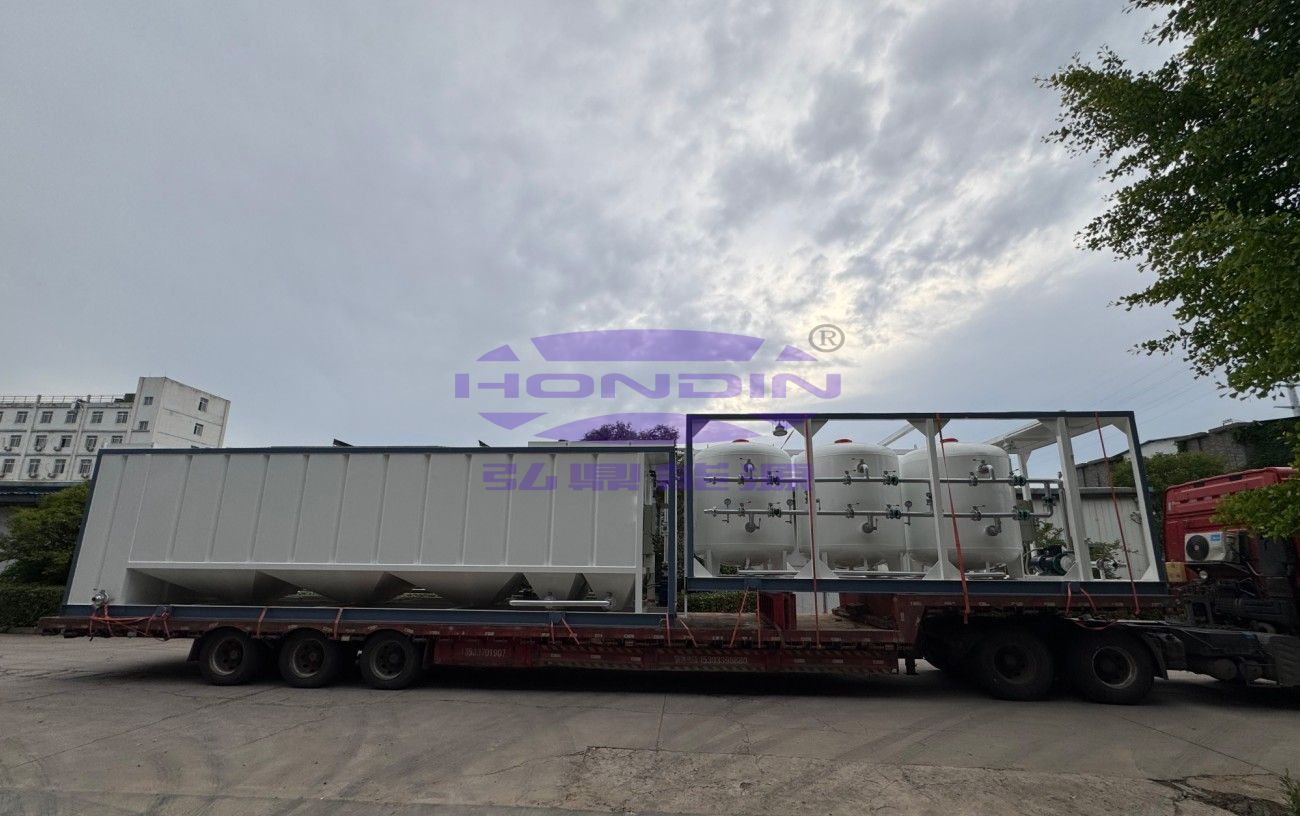
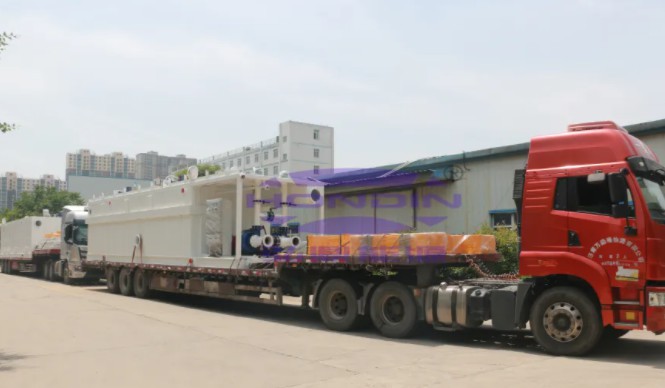
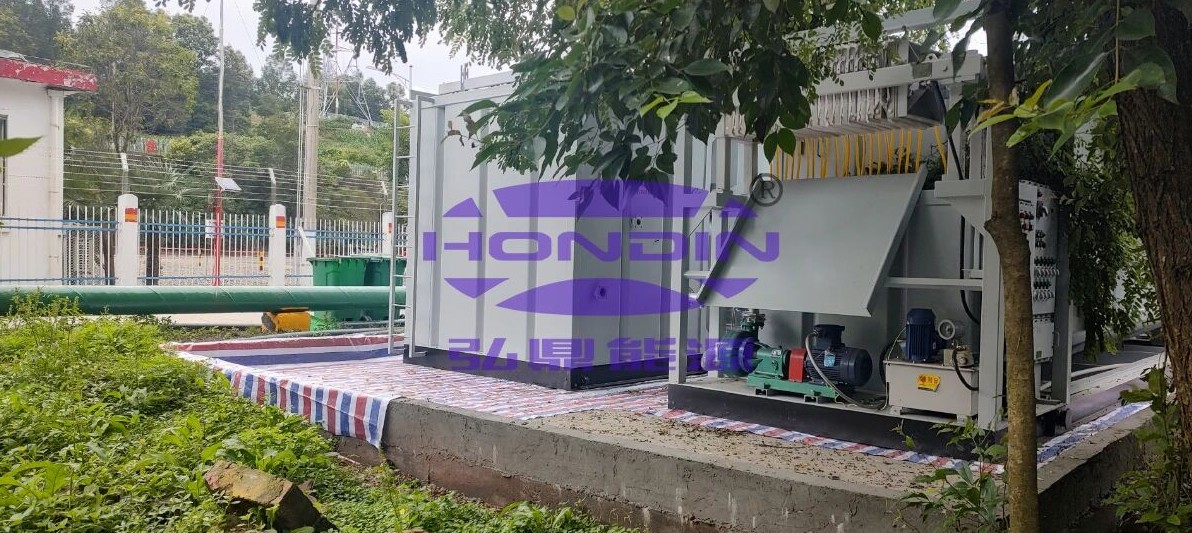
High-quality solid control systems, through modular design and intelligent monitoring upgrades, can accurately adapt to different working conditions: Their skid-mounted structure enables rapid deployment in outdoor wellsites, suitable for complex terrains such as mountains and deserts; intelligent sensors monitor parameters like drilling fluid density and viscosity in real time, and automatically adjust the operating parameters of solid control equipment to maintain stable purification effects.
For example, a customized solid control system developed by an enterprise for a deepwater drilling platform in the South China Sea, featuring anti-corrosion coatings and sealing design, operated continuously for 180 days without failure in a seawater-immersed environment, providing reliable support for deep-sea energy development.
In the process of the drilling industry transitioning toward efficiency, low carbon, and compliance, the role of solid control systems has long transcended the scope of 'purification equipment' and become a core element for enhancing drilling competitiveness. Whether in ensuring drilling efficiency, reducing operational costs, fulfilling environmental responsibilities, or adapting to complex working conditions, solid control systems play an irreplaceable role.
In the future, with the application of intelligent and low-carbon technologies in solid control systems, they will further drive the drilling industry toward a greener and more efficient direction, providing solid support for the safe extraction of energy.