

Cases
Say goodbye to "hauling and landfilling": How mud-free equipment solves three major challenges in drilling waste disposal
Time:
2025-09-29
During drilling operations, the disposal of mud waste has long relied on the traditional 'hauling and landfilling' model. Hundreds or even thousands of cubic meters of waste mud generated by a single well required long-distance transport by tanker trucks to compliant landfills, a costly undertaking and posing environmental risks such as transportation leakage and landfill contamination.
With increased national environmental supervision and stricter land resource controls, the 'hauling and landfilling' model is no longer sustainable. The emergence of mud-removing equipment, with its comprehensive solution encompassing 'on-site treatment, solid-liquid separation, and resource recovery,' is fundamentally addressing the three core challenges of drilling waste disposal.

I. Problem 1: High transportation costs and low disposal efficiency slow down drilling progress.
Under the traditional disposal model, drilling waste must undergo multiple stages: temporary storage, loading, transportation, and landfill. This presents two significant efficiency issues. First, tanker truck transportation is significantly affected by road conditions and weather. For well sites located in remote mountainous or desert areas, one-way transportation often takes over four hours, and the waste disposal cycle for a single well can reach 10-15 days, significantly slowing drilling operations.
Second, transportation and landfill costs remain high. For example, at a shale gas field, waste mud transportation costs approximately 120 yuan per cubic meter, and landfill costs 80 yuan per cubic meter. For a deep well producing 200 cubic meters of mud per day, the monthly disposal cost exceeds 1.2 million yuan.
A solution for mud-free equipment
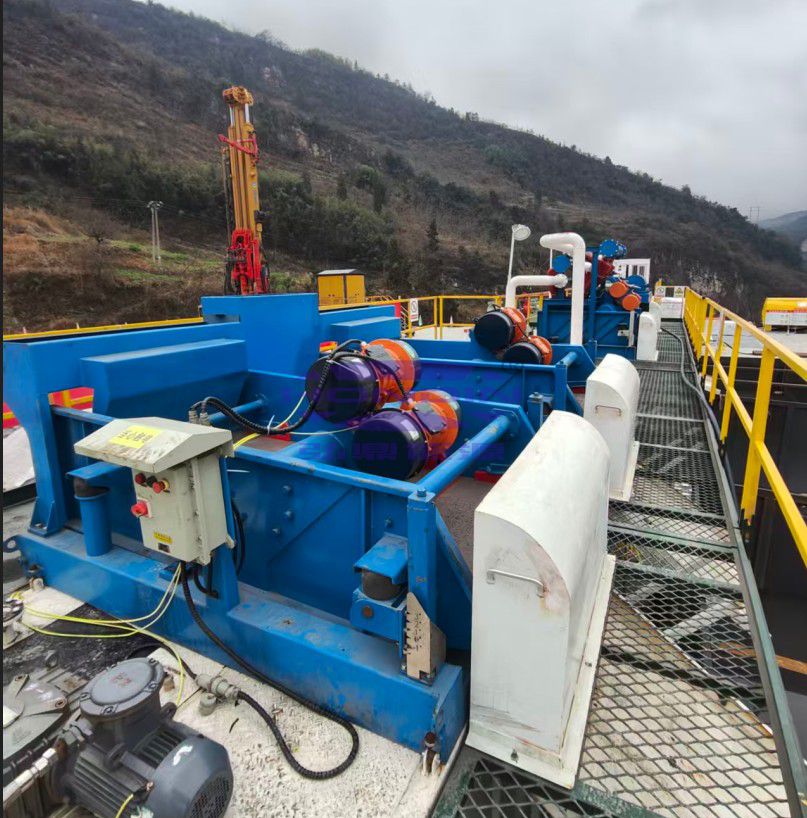
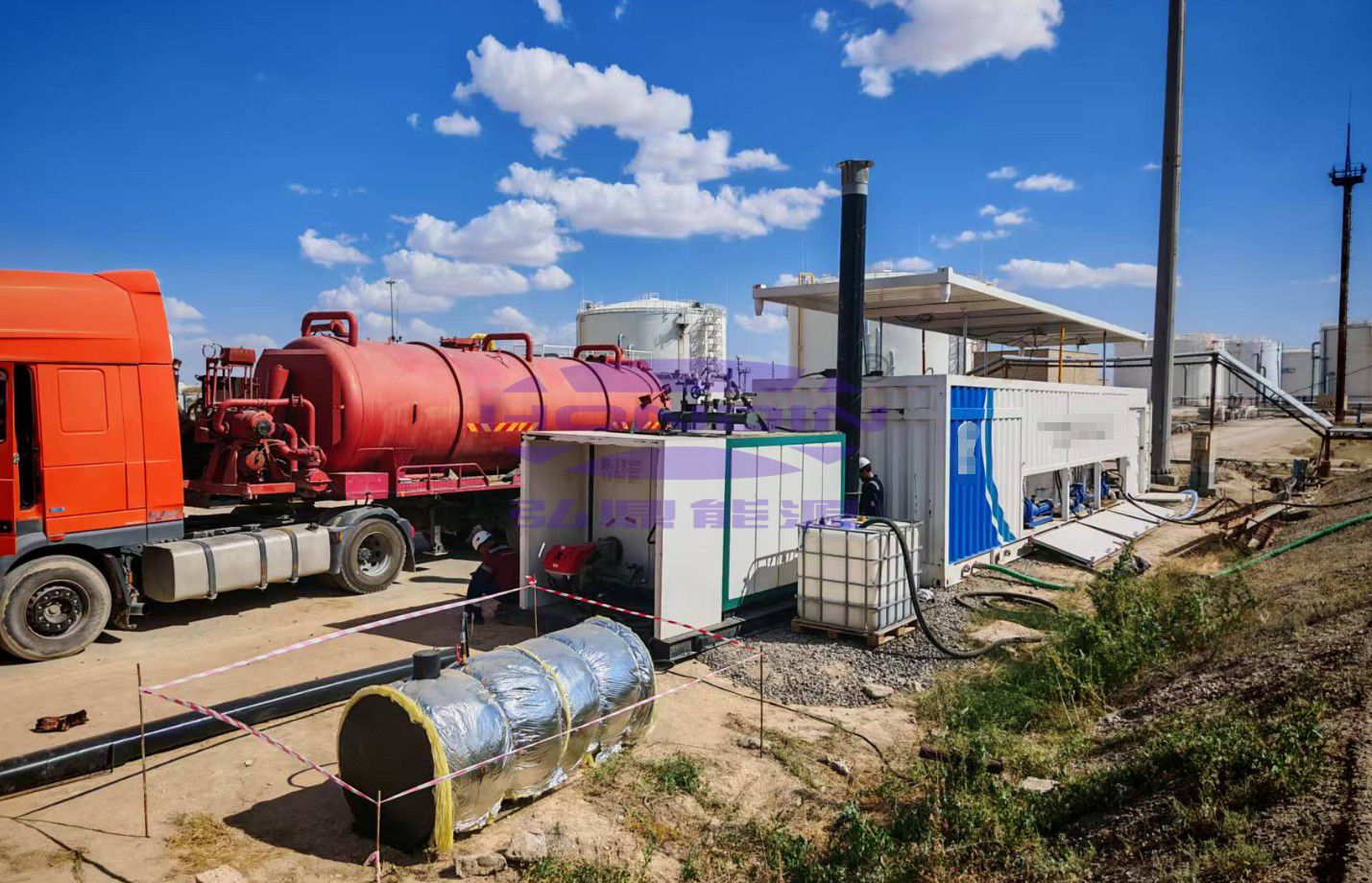
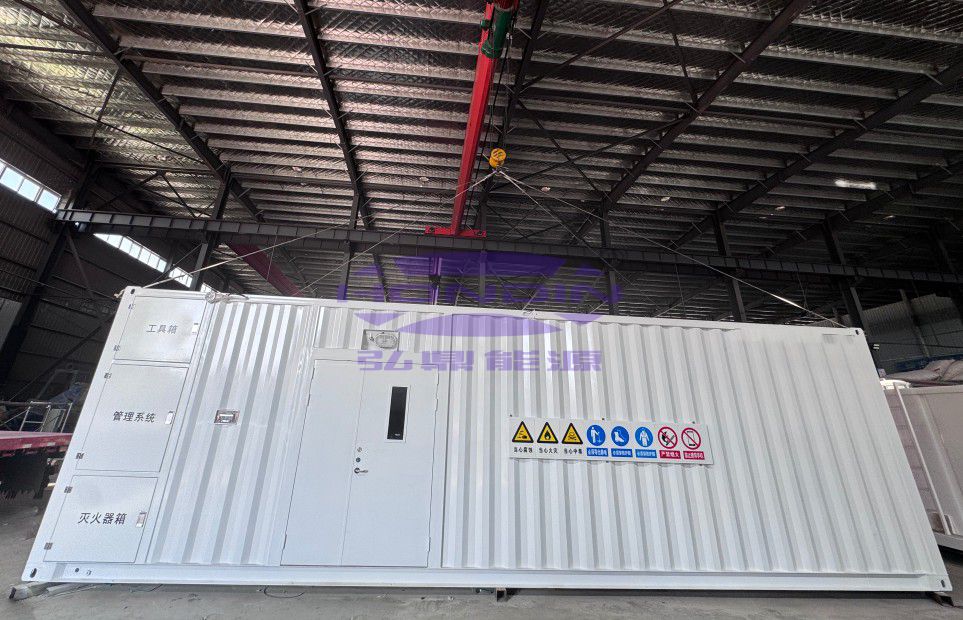
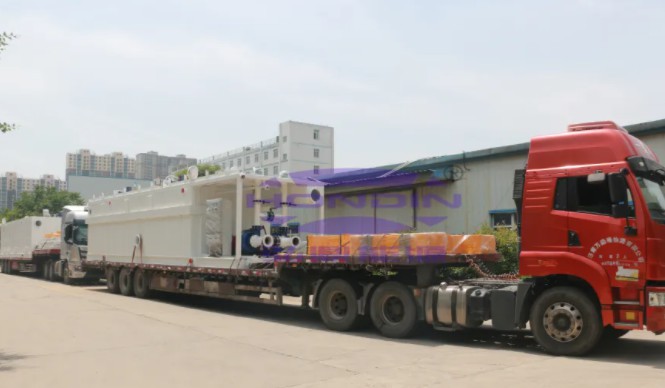
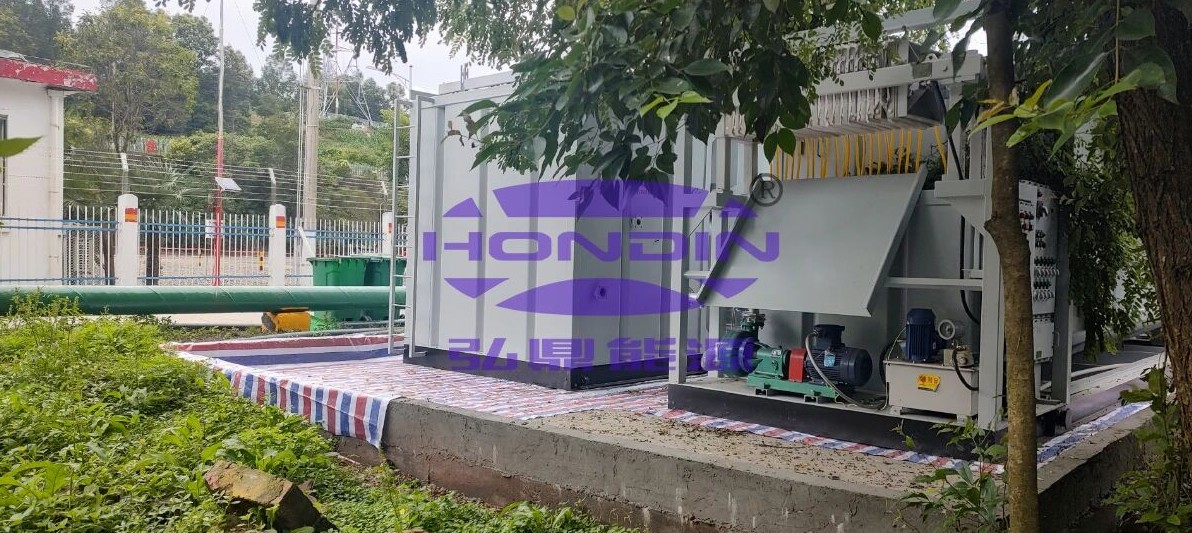
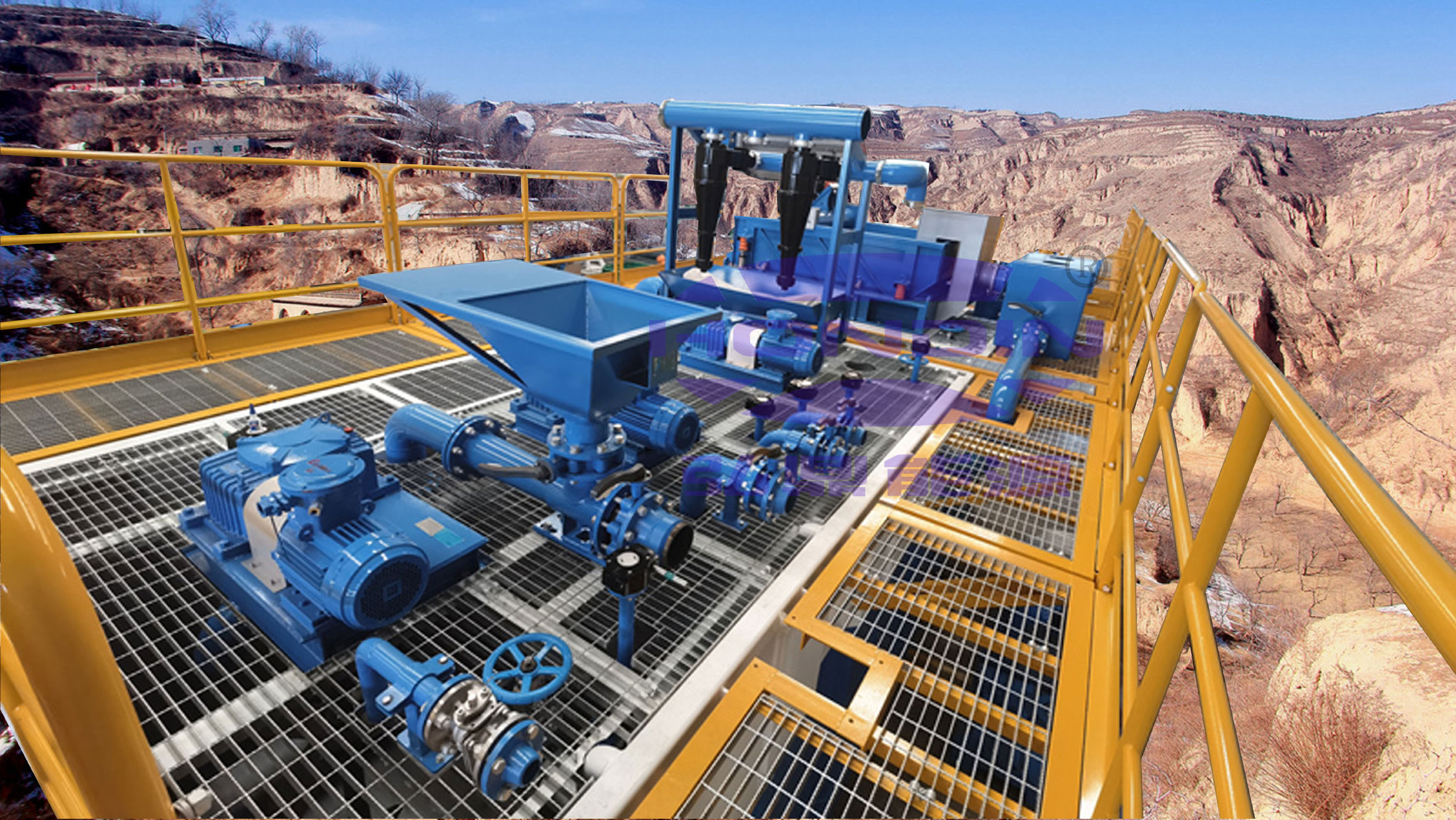
The combination of a skid-mounted system and vehicle-mounted emergency equipment enables immediate, on-site disposal of waste. Skid-mounted equipment can be deployed directly at the edge of a well site, operating 24/7, with a daily processing capacity of 300-500 cubic meters, shortening the disposal cycle to 3-5 days. Truck-mounted equipment is ideal for smaller, dispersed well sites, enabling flexible 'one truck, multiple wells' operations and eliminating repeated transportation.
After implementing a skid-mounted mud disposal system at a Xinjiang oilfield, the single-well disposal cycle was reduced from 12 days to 4, transportation costs were eliminated, and overall disposal costs were reduced by 62%.
II. Problem 2: High environmental risks and compliance pressures, and the traditional model presents significant risks of 'overstepping boundaries.'
With the strict implementation of the Soil Pollution Prevention and Control Law and the Solid Waste Pollution Prevention and Control Law, the environmental risks of transporting and landfilling drilling waste have become increasingly prominent. Leakage from tankers during transportation can pollute soil and water along the route, forcing companies to bear heavy fines and ecological restoration responsibilities. Even if landfilled in compliance with regulations, heavy metals and chemical additives in the waste mud can still seep into the ground, causing long-term soil contamination.
In recent years, drilling companies have been fined 2 million to 5 million yuan for non-compliant mud disposal, and some have even faced project suspensions for rectification.
Compliance Solutions for Mud-Free Equipment
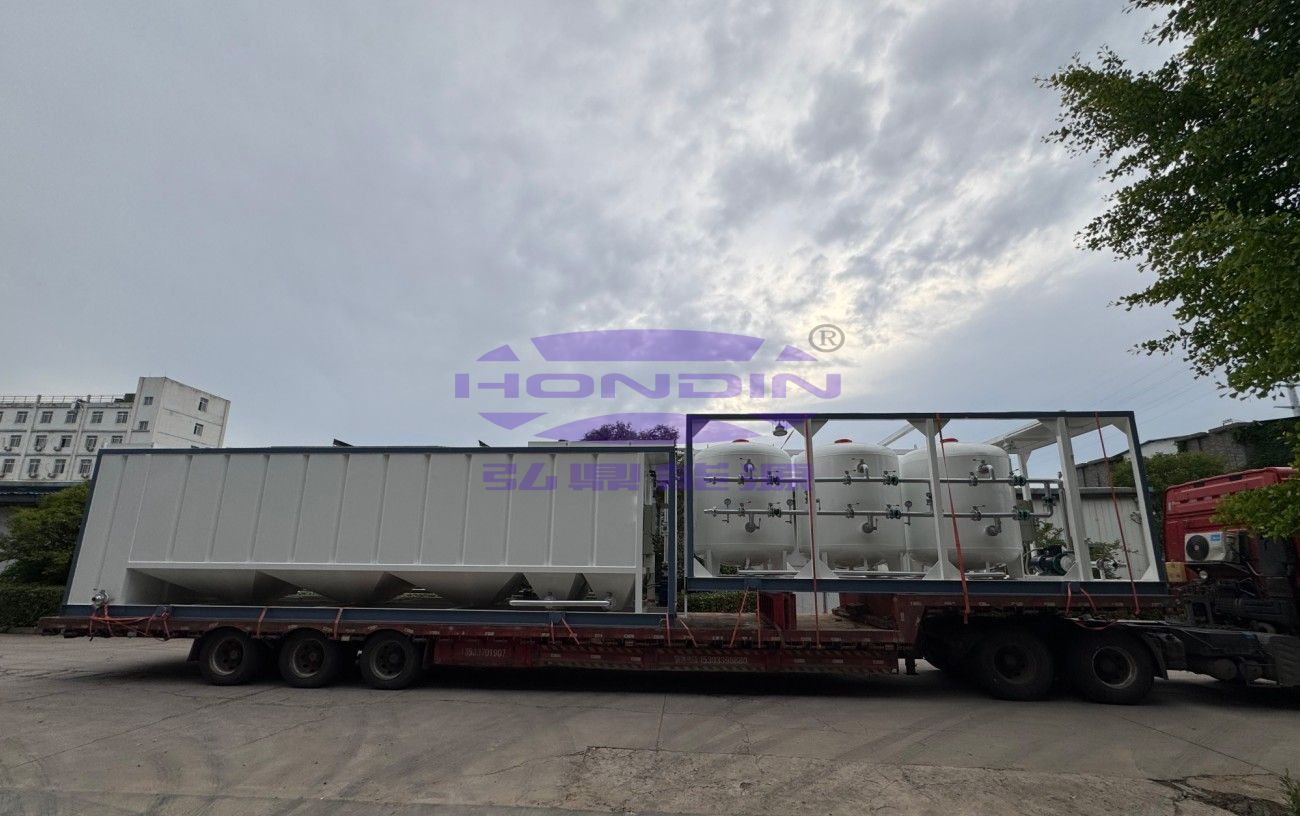
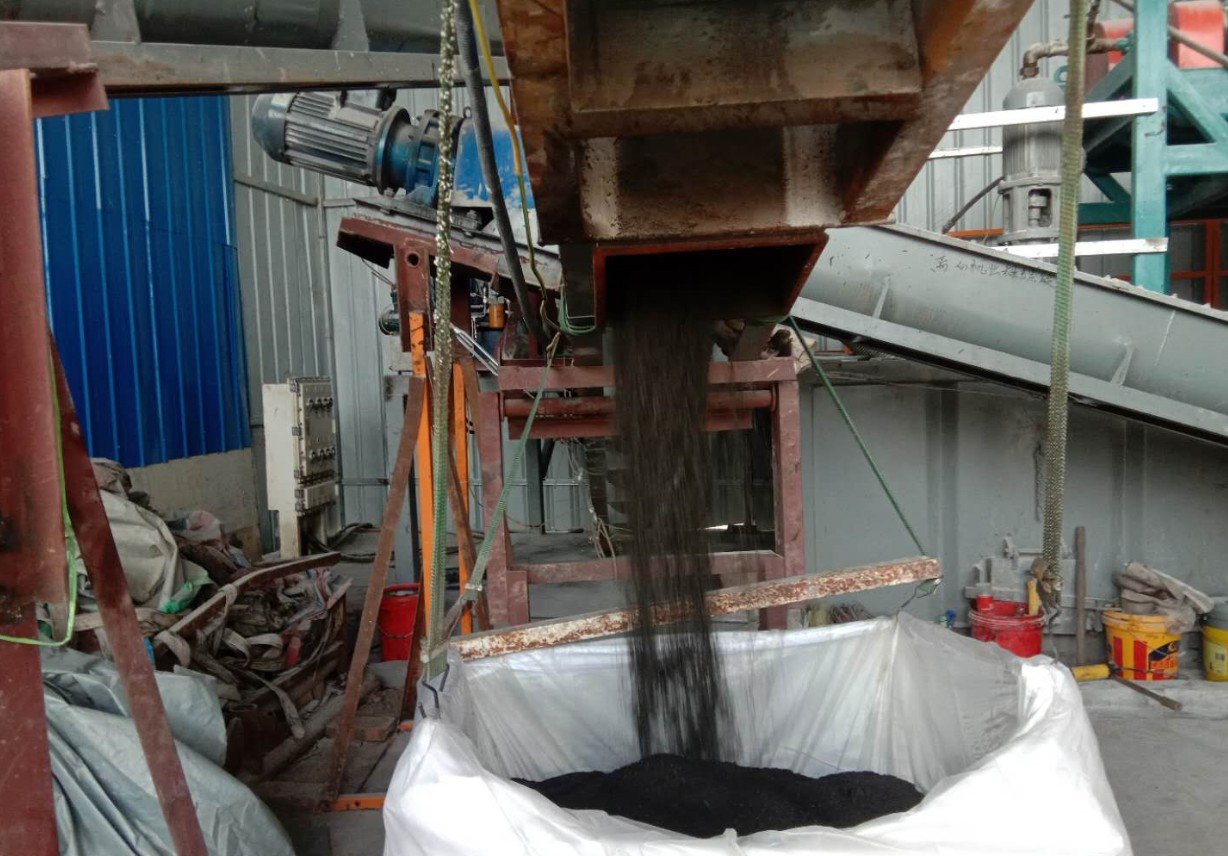
Building an environmentally friendly closed loop of 'solid-liquid separation → dry material solidification → wastewater reuse' to control pollution at the source. The equipment first uses technologies such as screw filter presses and plate and frame filter presses to separate waste mud into dry drill cuttings with a moisture content of ≤20% and clear liquid. After adding a solidifying agent, the dry cuttings, if tested and found to meet standards, can be used for wellsite road paving or landfill, preventing heavy metal leakage. The clear liquid is treated through a deep filtration system, achieving a reuse rate exceeding 90%, achieving 'zero wastewater discharge.'
In a shale gas field project in Sichuan, the use of this equipment has reduced the heavy metal leaching concentration of dry drill cuttings to wells far below the Class III limit of the 'Groundwater Quality Standard.' The clear liquid meets drilling fluid requirements and has fully passed on-site inspections by environmental protection authorities, achieving 'zero penalties and zero rectification.'

III. Challenge 3: Severe resource waste and difficulty finding disposal sites make the traditional model unsustainable.
Under the traditional model, the effective components of waste mud (such as drilling fluid treatment agents and water) are completely wasted when landfilled, which does not meet the resource recycling requirements of the 'dual carbon' goals. Furthermore, with the decreasing number of compliant solid waste landfills nationwide and stricter site selection controls, some regions are facing the dilemma of 'having money but lacking landfills.' For example, one oil field, with no compliant landfills within 300 kilometers, was forced to transport mud 500 kilometers for disposal, increasing costs by over 50%.
The Resource Value of Mud Retention Equipment
:
Promoting the transformation of drilling waste from 'waste' to 'resources.' On the one hand, the separated clear fluid is treated and reused for drilling fluid preparation, saving over 2,000 cubic meters of fresh water per well and reducing the purchase of drilling fluid treatment agents by 30%. On the other hand, dry drill cuttings can be further processed and reused as roadbed materials, construction fillers, and other resources, creating a new 'disposal + revenue generation' model. An oilfield in Shaanxi uses slurry-free equipment to process dry drill cuttings into roadbed bricks, with annual sales reaching 5,000 tons. This not only solves disposal challenges but also generates additional revenue, achieving a 'win-win for both the environment and the economy.'
Conclusion: From 'passive disposal' to 'active management,' slurry-free equipment reshapes the industry landscape.
The application of slurry-free equipment marks a shift in drilling waste disposal from 'passive hauling and landfilling' to 'active on-site management.' It not only addresses the three major challenges of cost, environmental protection, and efficiency, but also aligns with the drilling industry's trend toward green, efficient, and compliant development.
In the future, the mud-free system will further achieve 'improved processing efficiency, reduced operating costs, and improved resource utilization', providing core support for the sustainable development of drilling companies under the background of normalized environmental protection inspections.








Hot Cases
-

How a Drilling Mud Solids Control System Improves Mud Reuse
-
How an Oily Sludge Treatment System Improves Oilfield Waste Management
-
HONDIN Energy Slurry Mixers: High-efficiency slurry mixing solutions suitable for various working conditions
-
The successful delivery of hazardous waste containers helps customers achieve standardized temporary storage management of hazardous waste.
-
Reco Water quality deterioration, easy clogging, tight deadlines? This skid-mounted oilfield and fracturing flowback fluid treatment system is designed for complex operating conditions!
-
Why are engineering projects becoming increasingly reliant on mud solids control systems?
-
Environmentally friendly treatment of drilling waste – achieving full compliance with solid and liquid standards and resource reuse.
-
Exploration of Improvements to Drilling Mud Non-Drop Equipment
-
Core Advantages and Application Analysis of Coalbed Methane Well Solids Control Systems
-
Core equipment of mud-free system
-
Current Status and Improvement Measures of Drilling Fluid Solids Control Systems
-
Understanding the Mud-Free System in One Article




Add: No.462 Jinggao South Road, Gaoling District, Xi'an, Shaanxi Province, China
Mob/WhatsApp: +86 186 2931 2932/ +86 187 2900 8271
E-mail: sales@hondinchina.com

Follow us:

点击右上角
分享给朋友吧
点击右上角
分享给朋友吧
Copyright © Xi'an Hondin Energy Technology Co., Ltd. All rights reserved
Copyright © Xi'an Hondin Energy Technology Co., Ltd. All rights reserved