

Cases
How to effectively deal with drilling waste?
Time:
2025-10-09
Drilling waste (including waste mud, drill cuttings, and flowback fluid) has a complex composition, is highly saline, highly polluting, and difficult to degrade. Improper handling can not only cause soil and water pollution but may also result in environmental penalties for companies.
Effective waste treatment must focus on the core goals of 'reduction, harmlessness, and resource utilization.' By integrating drilling conditions, waste types, and environmental standards, a comprehensive, integrated solution combining 'classified treatment + process adaptation + intelligent management and control' can be developed. The following four core approaches can achieve efficient treatment:
1. Source Reduction: Reducing Treatment Pressure by Controlling Generation.
The first step in effective treatment is to reduce waste generation. By optimizing drilling processes and parameters, the subsequent disposal burden can be reduced at the source. Key measures include:
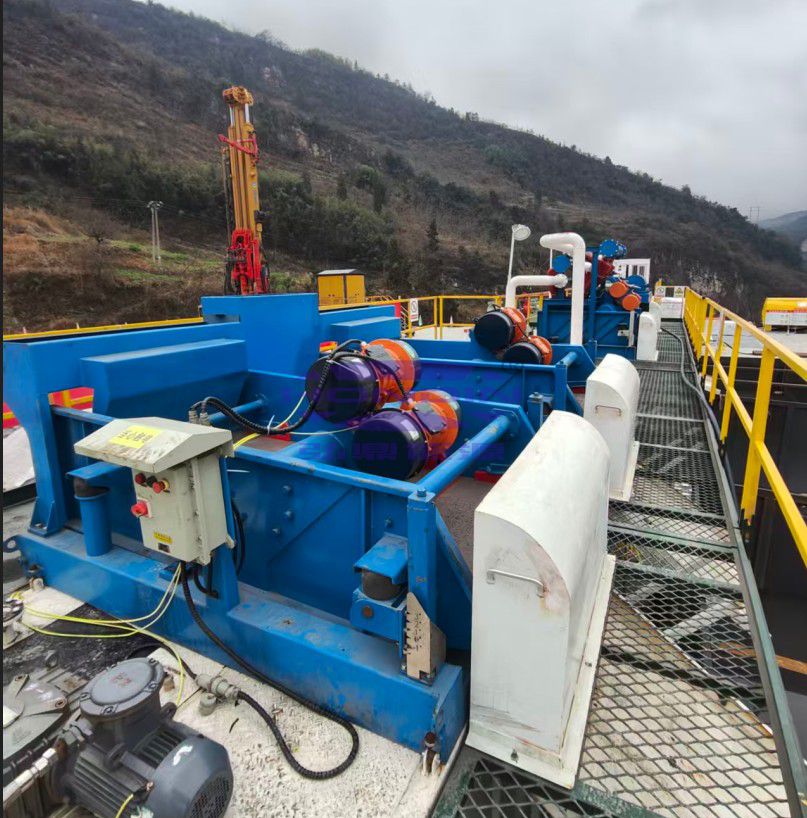
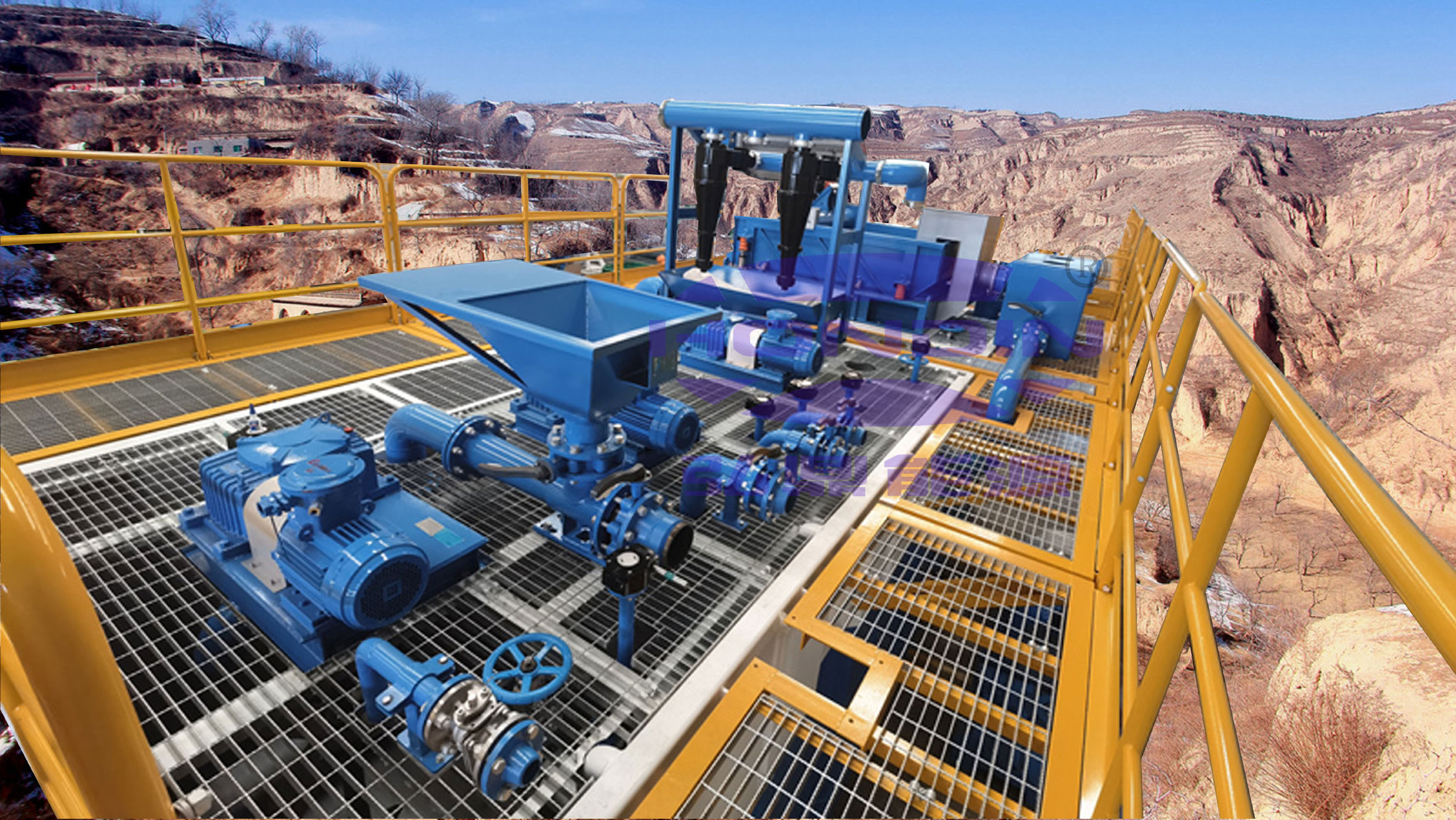
Drilling Fluid Circulation Optimization: Equipped with an efficient solids control system (vibrating screen + desander + centrifuge) to precisely remove cuttings from the drilling fluid, increasing the drilling fluid reuse rate to over 85%. The implementation of a five-stage solids control system in a shale gas field reduced drilling fluid replenishment by 40% per well and reduced waste mud generation from 500 m³ to 220 m³.
Fracturing Process Improvement: Utilizing 'slickwater fracturing fluid.' Replacing traditional guar gum fracturing fluid, it reduces high-molecular-weight polymer residues, lowering contaminants in fracturing flowback fluid by 30%-50%, significantly simplifying subsequent treatment.
Optimizing wellsite layout: Drilling fluid circulation tanks and waste storage areas are centralized on an impermeable cushion to prevent leakage and spread. Furthermore, a 'cluster well' drilling model reduces waste generation per well. Cluster well development in one oilfield has reduced total waste generation by 25% compared to single-well drilling.
II. Classified Treatment: Adapting Targeted Processes to Waste Type
Drilling waste varies greatly in composition (e.g., waste mud containing high clay content, drill cuttings containing high solids content, and flowback fluid containing high salt content). Therefore, a 'classified approach' is required to select appropriate processes to avoid a 'one-size-fits-all' approach that results in substandard treatment.
1. Waste Mud Treatment: Solid-Liquid Separation + Solidification and Stabilization
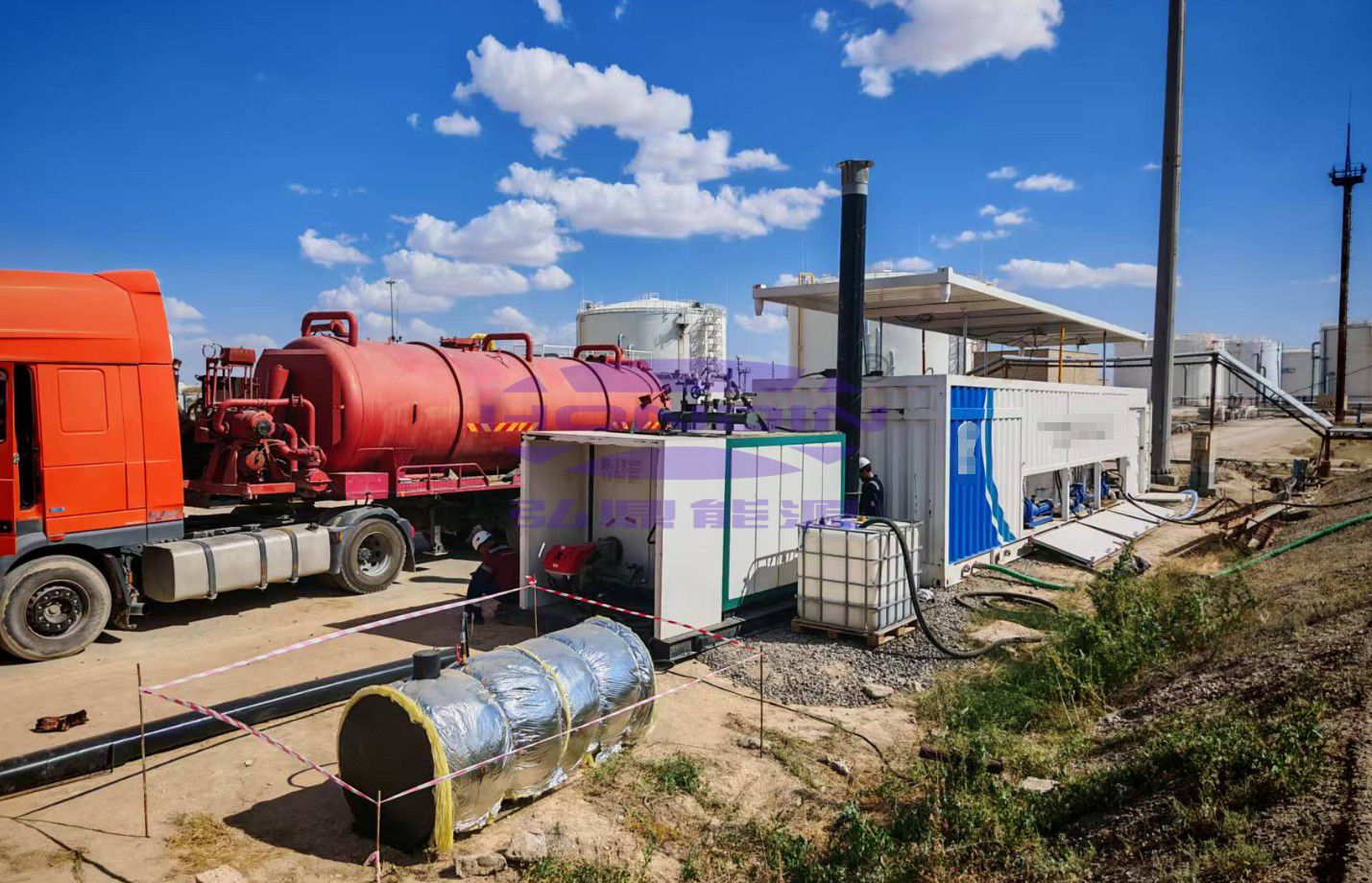
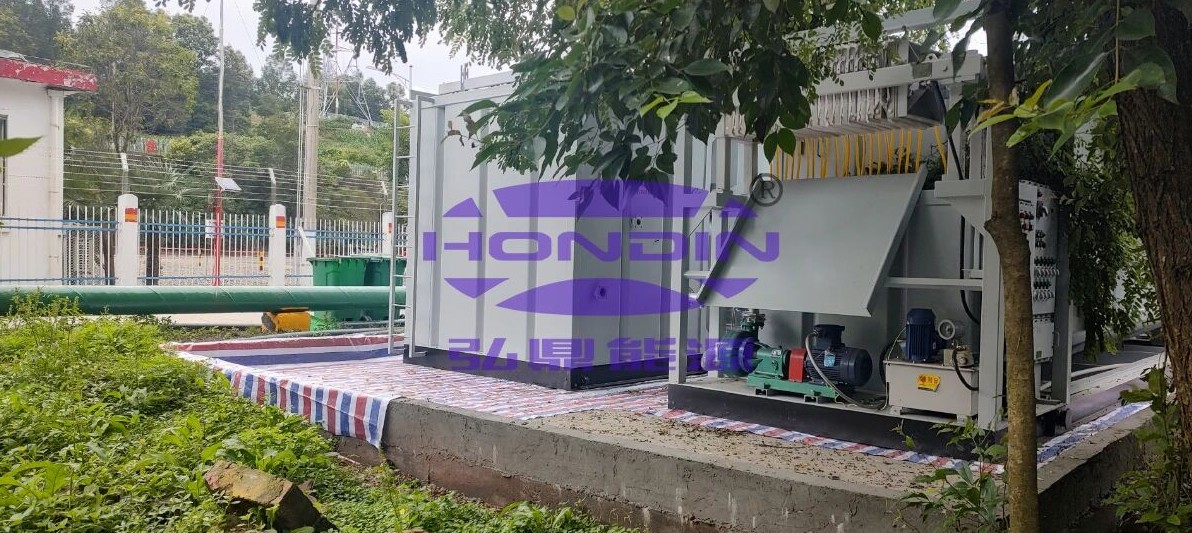
Core Process: Utilizing a combination of 'screw filter press/plate and frame filter press + chemical solidification,' the mud's moisture content is first reduced from 90% to below 40% through filter press equipment. The separated clear liquid undergoes deep filtration (ultrafiltration + reverse osmosis) for reuse or discharge in compliance with standards. Cement, lime, and other solidifying agents are added to the dry mud cake to reduce the heavy metal leaching concentration to below 0.1 mg/L, meeting the 'Hazardous Waste Landfill Pollution Control Standards.'
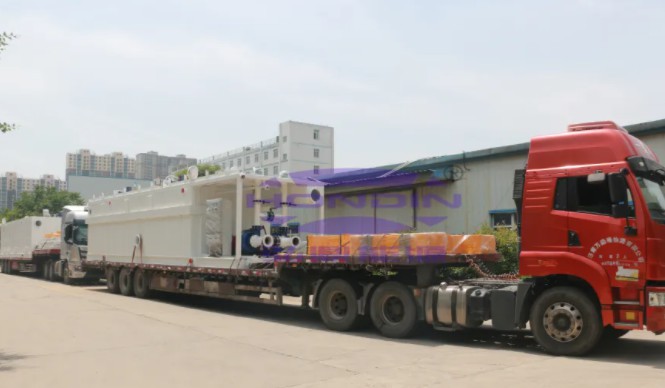
Scenarios: For onshore well sites, a skid-mounted filter press system (daily treatment) is preferred. 200-500m³), corrosion-resistant vehicle-mounted equipment for offshore drilling. After applying this process at an offshore oilfield, the harmless treatment rate of waste mud reached 100%.
2. Drill Cuttings Treatment: Grading and Purification + Resource Utilization
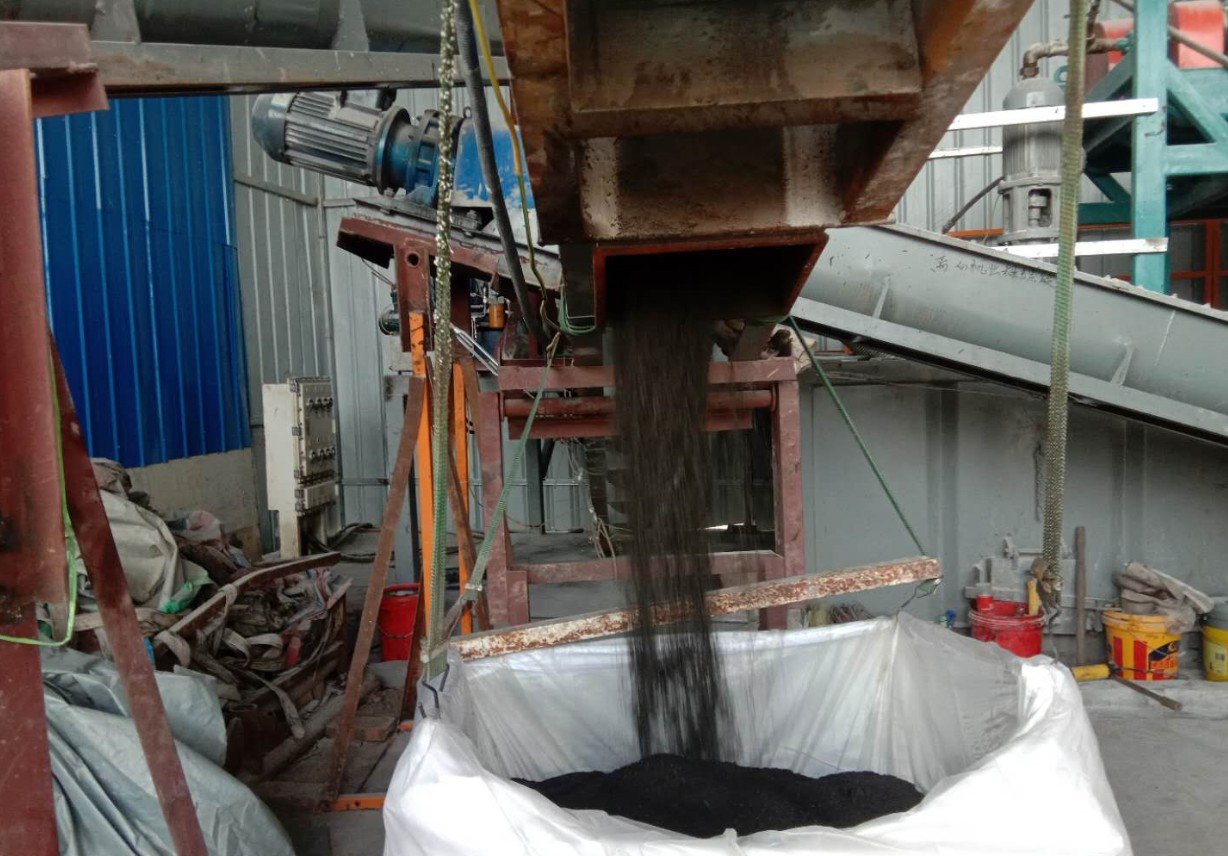
Core Process: Coarse drill cuttings (particle size ≥74μm) are separated by a vibrating screen and can be directly used for wellsite road paving. Fine drill cuttings (particle size<74μm) undergo 'hot washing and oil removal' and drying to reduce the oil content to below 3%. They can then be used as building aggregate or brick making materials. Changqing Oilfield uses processed drill cuttings to make unfired bricks, resulting in an annual resource utilization of over 12,000 tons and an 80% reduction in landfill volume.
Key Technology: For oil-containing drill cuttings, a 'solvent extraction + biodegradation' process is used, achieving an oil removal rate of over 95%, meeting safety standards for farmland soil improvement.
3. Fracturing Flowback Fluid Treatment: Deep Desalination + Recycling
Core Process: High-salinity flowback fluid (TDS > 100,000 mg/L) is treated using a 'pretreatment (oxidation + flocculation) + STRO membrane concentration + MVR evaporation and crystallization' process. Pretreatment removes suspended solids and organic matter, membrane concentration increases freshwater recovery to 75%, and evaporation and crystallization produces industrial-grade mixed salts. The qualified freshwater can be directly reused in fracturing fluid preparation. The flowback fluid reuse rate in one shale gas field has reached 90%, saving over 3,000 m³ of new water per well.
Technical Breakthrough: The use of a special, anti-fouling membrane extends the life of the membrane module from one year to two years, reducing treatment costs by 30%.
III. Harmless Treatment Guarantee: Strictly Adhere to Environmental Standards and Avoid Secondary Pollution
Effective treatment requires 'harmlessness' as the bottom line. Through process control and testing and verification, we ensure that treated products meet environmental requirements. Key steps include:
Compliant Chemical Selection: Avoid using hardeners/flocculants containing heavy metals or those that are difficult to degrade. Prioritize biodegradable chemicals (such as microbial flocculants) to reduce the environmental impact of chemical residues.
Full-Process Testing: Triple testing is performed before treatment (testing waste composition and concentration), during treatment (online monitoring of pH, COD, and heavy metal content), and after treatment (third-party testing for solid waste leaching toxicity and wastewater discharge indicators) to ensure that each batch of products meets standards.
Seepage and Leakage Prevention Design: HDPE impermeable membranes (permeability coefficient ≤ 10⁻¹⁰cm/s) are installed in the waste storage tanks and treatment equipment areas, equipped with leak detection systems to prevent pollutants from seeping into the soil or groundwater during treatment.
IV. Resource Upgrading: From 'Disposal' to 'Recycling,' Enhancing Economic Value
The high-level goal of effective waste treatment is to achieve resource utilization. Through technological innovation, waste is transformed into usable resources, reducing treatment costs while generating additional revenue:
Water Resource Recycling: Treated wastewater that meets standards can be reused for drilling and fracturing, as well as for wellsite landscaping and equipment cleaning. One desert oilfield has saved over 50,000 tons of groundwater annually through wastewater reuse.
Solid Waste Resource Utilization: Dried mud cake and drill cuttings can be processed into roadbed bricks, concrete aggregate, and even converted into soil conditioners through biocharization. An oilfield in Xinjiang is using drill cuttings biochar for saline-alkali land reclamation, increasing soil organic matter content by 15% and crop yields by 20%.
Energy Recovery: Oily waste (such as oily drill cuttings) can be recovered into crude oil through pyrolysis. One oilfield recovers over 800 tons of crude oil annually through pyrolysis of oily drill cuttings, effectively turning pollutants into energy.
Conclusion: Effective Treatment Requires 'Technology Adaptation + Closed-Loop Management'
Effective treatment of drilling waste requires more than a single process; it requires a comprehensive management chain encompassing 'source reduction - classified treatment - harmless disposal - resource recovery and upgrading.'
Companies should consider their own drilling type (onshore/offshore, conventional/shale gas wells), waste characteristics, and local environmental standards to select customized solutions and improve treatment stability.
With the advancement of the 'dual carbon' goals, the 'harmless disposal + resource recovery' treatment model will become the mainstream in the industry, protecting the environment while providing core support for drilling companies to reduce costs and increase efficiency.
Click:








文章推荐
Hot Cases
-

How a Drilling Mud Solids Control System Improves Mud Reuse
-
How an Oily Sludge Treatment System Improves Oilfield Waste Management
-
HONDIN Energy Slurry Mixers: High-efficiency slurry mixing solutions suitable for various working conditions
-
The successful delivery of hazardous waste containers helps customers achieve standardized temporary storage management of hazardous waste.
-
Reco Water quality deterioration, easy clogging, tight deadlines? This skid-mounted oilfield and fracturing flowback fluid treatment system is designed for complex operating conditions!
-
Why are engineering projects becoming increasingly reliant on mud solids control systems?
-
Environmentally friendly treatment of drilling waste – achieving full compliance with solid and liquid standards and resource reuse.
-
Exploration of Improvements to Drilling Mud Non-Drop Equipment
-
Core Advantages and Application Analysis of Coalbed Methane Well Solids Control Systems
-
Core equipment of mud-free system
-
Current Status and Improvement Measures of Drilling Fluid Solids Control Systems
-
Understanding the Mud-Free System in One Article




Add: No.462 Jinggao South Road, Gaoling District, Xi'an, Shaanxi Province, China
Mob/WhatsApp: +86 186 2931 2932/ +86 187 2900 8271
E-mail: sales@hondinchina.com

Follow us:

点击右上角
分享给朋友吧
点击右上角
分享给朋友吧
Copyright © Xi'an Hondin Energy Technology Co., Ltd. All rights reserved
Copyright © Xi'an Hondin Energy Technology Co., Ltd. All rights reserved