

Cases
Understanding the Oily Sludge Treatment System in One Article
Time:
2025-10-28
Throughout the entire life cycle of oil, from extraction and transportation to storage and refining, oily sludge is a constant presence in the oil industry, a troublemaker that cannot be ignored.
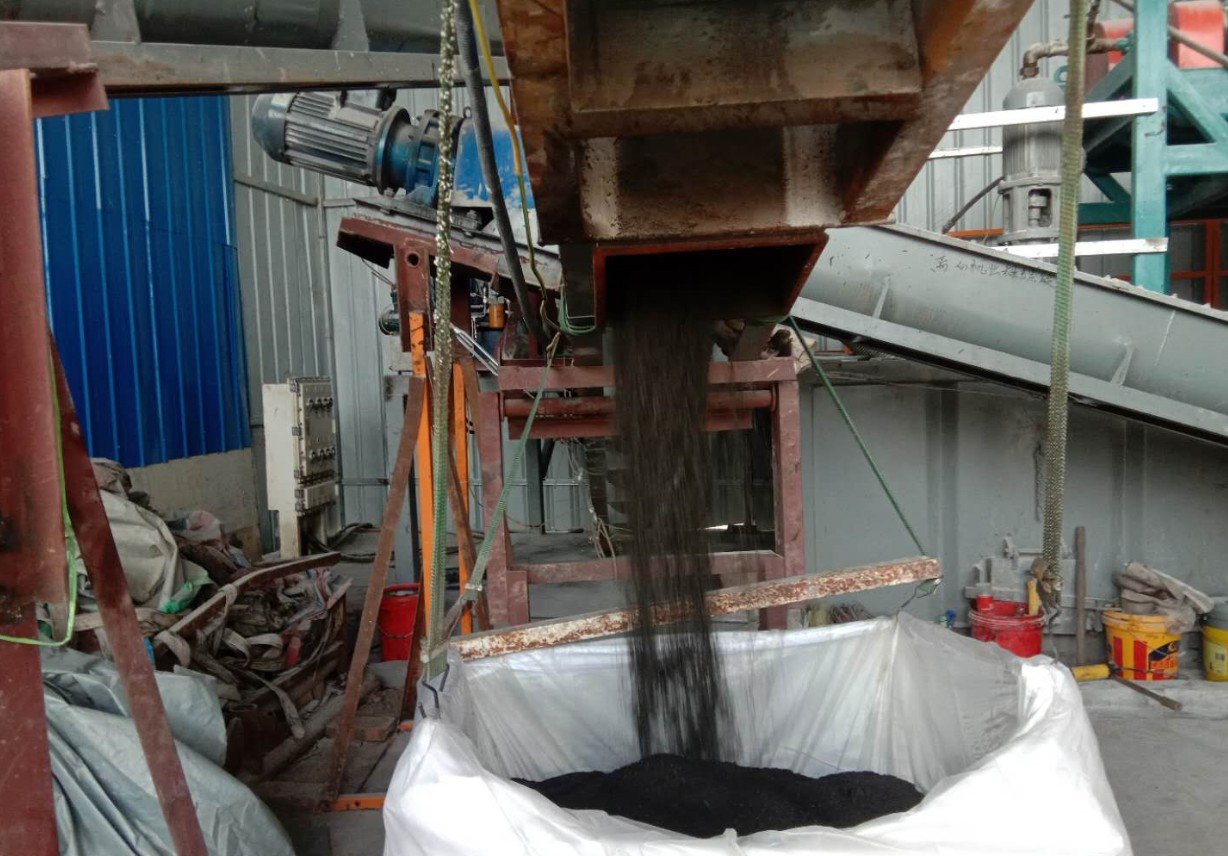
Drilling mud, landed crude oil, and tank sludge all contribute to oily sludge during oil field production. During the refining and chemical process, sludge from tank cleaning, grease traps, and flotation tanks, as well as oily sludge from wastewater treatment plants, are also sources of oily sludge. Even during transportation and storage, sludge from tanker and tanker cleaning, tank sludge from oil depots, and soil contaminated by leaks can also contribute to oily sludge.

Oily sludge is a complex composition, consisting of oils (crude oil, heavy oil, lubricating oil, etc.), water (emulsified water, free water), and solids (silt, rock debris, corrosion products, chemical residues, etc.). Not only is it classified as a hazardous waste (HW08), it also poses a significant threat to the environment. Toxic and hazardous substances such as polycyclic aromatic hydrocarbons (PAHs), benzene derivatives (BTEX), and heavy metals (lead, cadmium, chromium, etc.) can remain in the soil for long periods of time, damaging soil structure and harming microorganisms and plant roots, leading to soil 'death.' Pollutants seep downward with rainwater, contaminating groundwater and endangering drinking water and agricultural irrigation water. Remediation is extremely costly and time-consuming.
Furthermore, oily sludge inhibits plant growth, poisons soil animals, and accumulates through the food chain, harming biodiversity. Oily sludge, with its high oil content, is flammable and can easily cause fires and explosions if improperly stored or handled. Historical oily sludge storage sites also significantly encroach on land resources.
Clearly, if oily sludge is not properly handled, it will lead to serious environmental problems and waste resources. Therefore, an efficient and environmentally friendly oily sludge treatment system is crucial. It is not only key to addressing pollution issues in the oil industry but also a crucial guarantee for sustainable resource utilization. Exploring Oily Sludge Treatment Systems

(I) System Types Revealed
Oily sludge treatment systems can be broadly categorized into four main types based on their treatment principles and technical approaches: physical, chemical, biological, and integrated treatment systems.
Physical equipment primarily includes centrifuges, filter presses, and sedimentation tanks. These devices use physical forces, such as gravity and centrifugal force, to achieve a preliminary separation of the oil, water, and mud phases in oily sludge.
Taking a centrifuge as an example, its high-speed rotation generates a powerful centrifugal force, rapidly separating the oil, water, and solid particles of varying densities in the sludge within the centrifugal field, much like the high-speed spin of a washing machine removes moisture from clothes. Physical equipment is simple to operate and consumes relatively little energy, meaning it requires minimal energy investment and can be easily mastered by operators after minimal training.
However, its separation efficiency and treatment effectiveness are relatively limited, typically achieving only preliminary separation and failing to meet high-precision treatment requirements. Therefore, it is typically used as a pretreatment method, laying the foundation for subsequent, more refined treatment steps. Chemical treatment equipment: This includes pyrolysis, solvent extraction, and chemical demulsification.
Chemical treatments modify the physical and chemical properties of oily sludge by adding chemical reagents, promoting the effective separation of the oil, water, and sludge phases. For example, pyrolysis equipment, operating in an oxygen-free or oxygen-deficient, high-temperature environment, thermally decomposes the organic matter in oily sludge, converting the oil into products such as oil gas and coke, thereby separating the oil from other components.
This type of equipment offers high efficiency and achieves efficient separation results in a short period of time, significantly increasing the speed of oily sludge treatment. However, the use of chemical reagents can cause secondary pollution. If not handled properly, residual chemical reagents may cause new pollution to soil and water bodies. Furthermore, the cost is relatively high, and the procurement, storage, and use of chemical reagents require significant investment, increasing overall treatment costs.
Biological treatment equipment: Utilizing the metabolic activity of microorganisms, the organic matter in oily sludge is decomposed into carbon dioxide, water, and biomass, achieving harmless treatment. For example, in bioreactors, under suitable temperature, humidity, and nutrient conditions, microorganisms will multiply rapidly and metabolize the petroleum-based substances in oily sludge as a carbon source, thereby purifying the sludge.
Biological treatment equipment is environmentally friendly and does not introduce new chemical pollutants, aligning with the concept of sustainable development. However, the treatment cycle is long, as microbial growth and metabolism require time, potentially taking weeks or even months to complete. Microbial activity varies significantly under different environmental conditions, and microbial selectivity for oily sludge composition is not suitable for all types of sludge.
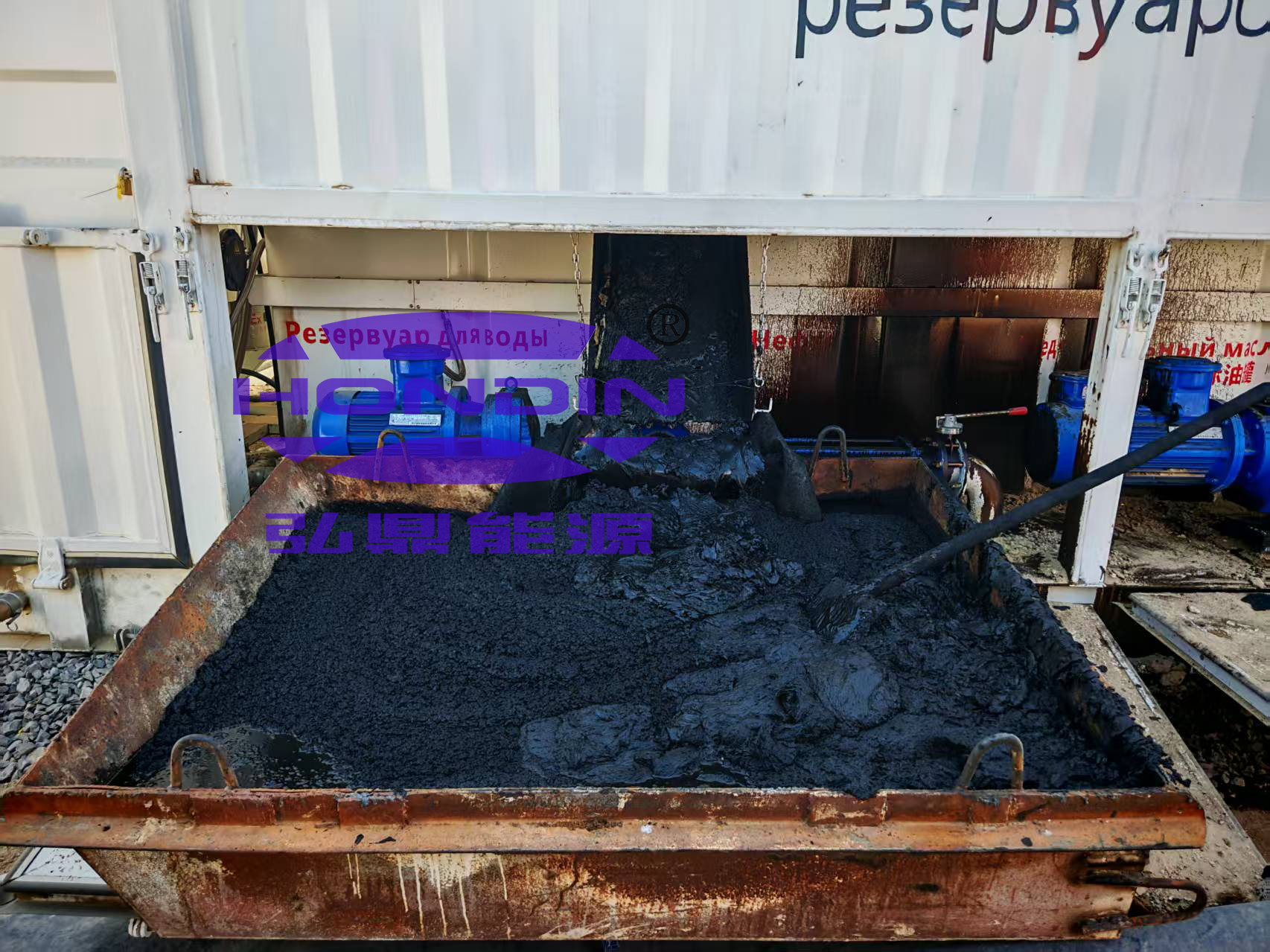
Comprehensive treatment equipment combines multiple treatment technologies, including physical, chemical, and biological, to form a complete oily sludge treatment system. It leverages the strengths of each technology, such as initial physical separation, followed by further chemical separation, and finally, biological degradation of residual organic matter, thereby improving treatment efficiency and resource recovery. This represents a current trend in oily sludge treatment. For example, a certain integrated treatment facility first removes large impurities from oily sludge through physical mixing and screening. A demulsifier is then added for chemical demulsification. A centrifuge is then used to efficiently separate the oil, water, and sludge. Finally, the separated sludge is biodegraded. This entire process works synergistically, significantly improving treatment efficiency.
(II) In-depth Analysis of the Working Principle
Taking integrated treatment equipment as an example, its working principle typically includes four key steps: pretreatment, deep separation, resource recovery, and tail gas treatment. These steps are closely interconnected and work synergistically to achieve efficient oily sludge treatment.
Pretreatment: This is the first step in the entire treatment process. Physical methods, such as crushing and mixing, are used to homogenize the oily sludge. Oily sludge is typically a complex, uneven mixture, potentially containing large impurities such as stones and wood. These impurities can affect the proper operation of subsequent treatment equipment. A crusher breaks down larger solid particles into smaller ones, while a blender provides thorough mixing to evenly distribute the various components in the oily sludge, creating favorable conditions for subsequent processing. This is similar to preparing and mixing ingredients before cooking to ensure smooth cooking.

Deep separation: Based on pretreatment, chemical or physical methods are used to further refine the separation of the oil, water, and mud phases in the oily sludge, improving separation efficiency. Demulsifiers are added during this process. The oil in oily sludge often exists in an emulsified state between water and solid particles. Demulsifiers disrupt this emulsion, causing the oil droplets to coalesce and grow larger, making it easier to separate from the water and solids.
Also, pH adjustment is performed. Depending on the characteristics of the oily sludge, acid or base is added to adjust the system's pH to promote certain chemical reactions and further improve separation efficiency. Centrifuges also play a crucial role in this process, using the centrifugal force generated by high-speed rotation to quickly separate the oil, water, and mud phases in the demulsified and pH-adjusted sludge, directing them to separate collection devices. Resource Recovery: Separated crude oil is recovered and reused using technologies such as pyrolysis and distillation. Pyrolysis, in an oxygen-free or low-oxygen, high-temperature environment, breaks down large organic molecules in crude oil into smaller molecules of oil, gas, and coke. These oils and gases are condensed to produce high-quality fuel oil for industrial production or energy use.
Distillation, based on the boiling point differences of different crude oil components, vaporizes them through heating, then condenses and collects them, thereby purifying and separating the crude oil.
At the same time, wastewater is treated through a specialized wastewater treatment system, utilizing various methods such as physical precipitation, chemical flocculation, and biodegradation to remove harmful substances, ensuring that it meets emission standards for discharge or reuse. Solid waste is treated harmlessly or recycled based on its properties. For example, some solid residues containing minerals can be used in the production of building materials, turning waste into valuable resources.
Exhaust Gas Treatment: The treatment process generates harmful gases, such as volatile organic compounds (VOCs). Direct release of these gases into the atmosphere can be harmful to the environment and human health. Therefore, treatment methods such as adsorption and combustion are necessary.
Adsorption utilizes adsorbents with high surface areas, such as activated carbon, to absorb harmful gases onto their surfaces, thereby achieving purification. Combustion burns exhaust gas at high temperatures, breaking down organic pollutants into harmless substances such as carbon dioxide and water, ensuring that exhaust emissions meet emission standards and protect the atmospheric environment.
Conclusion
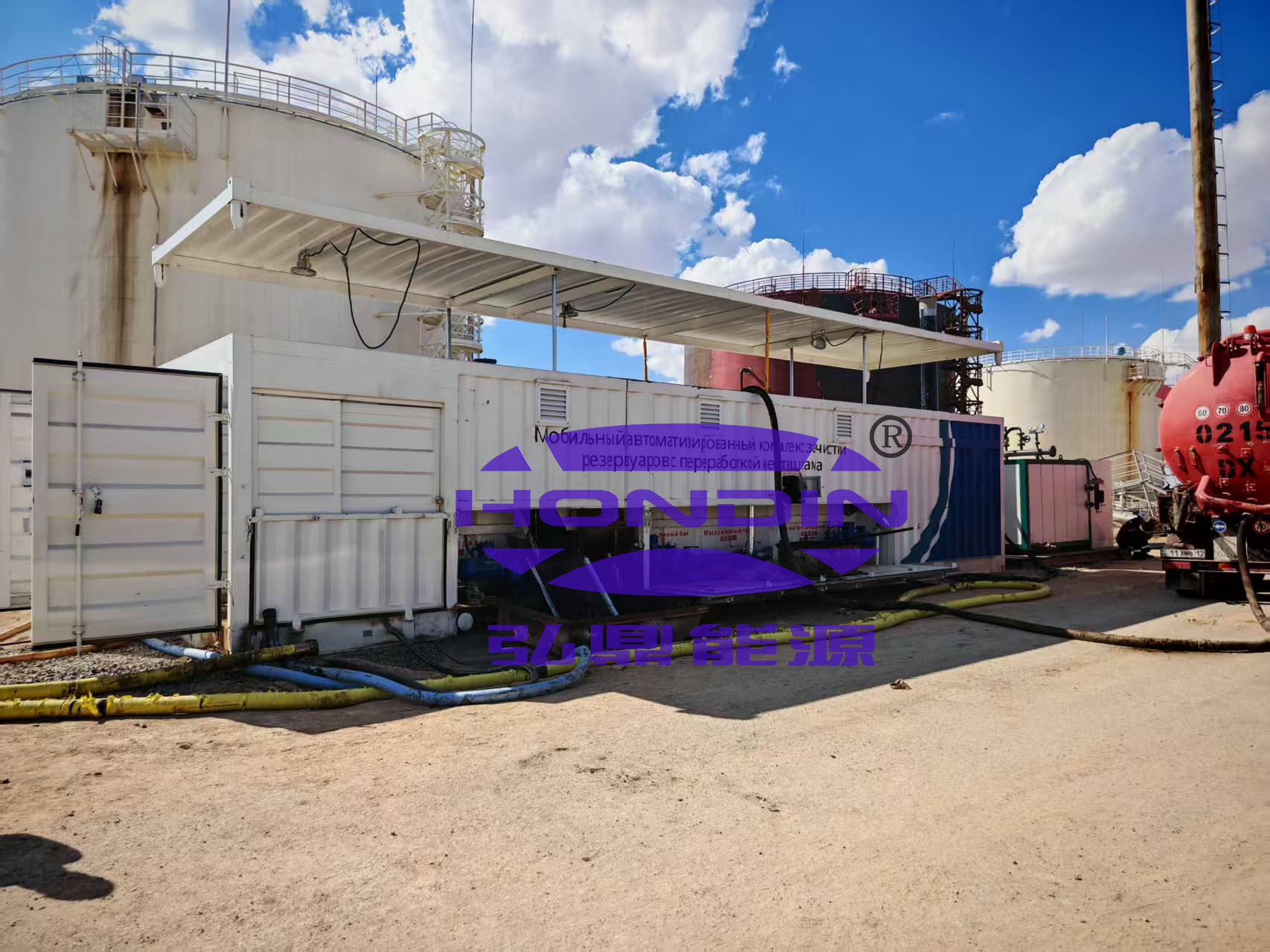
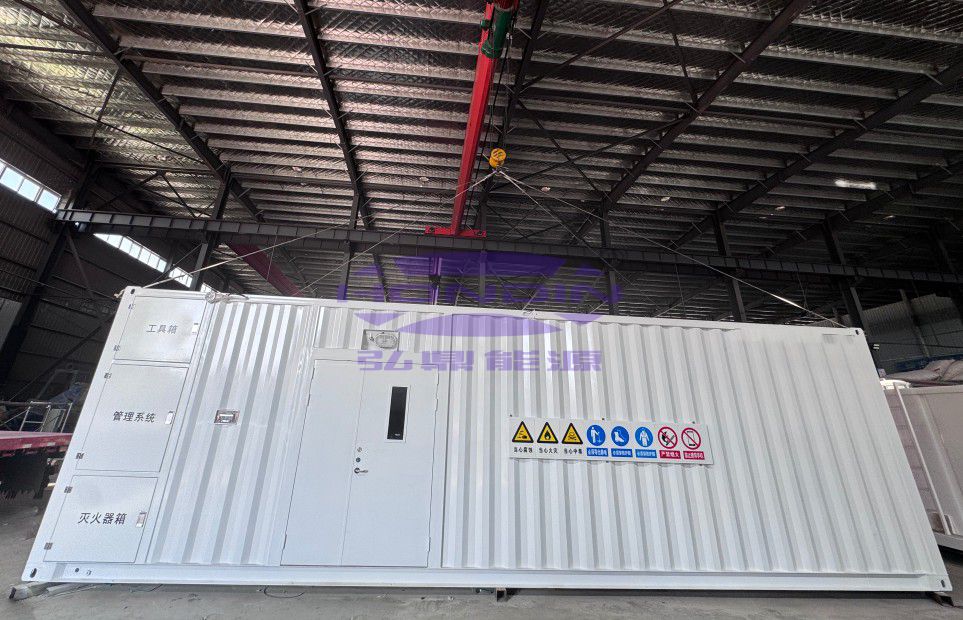
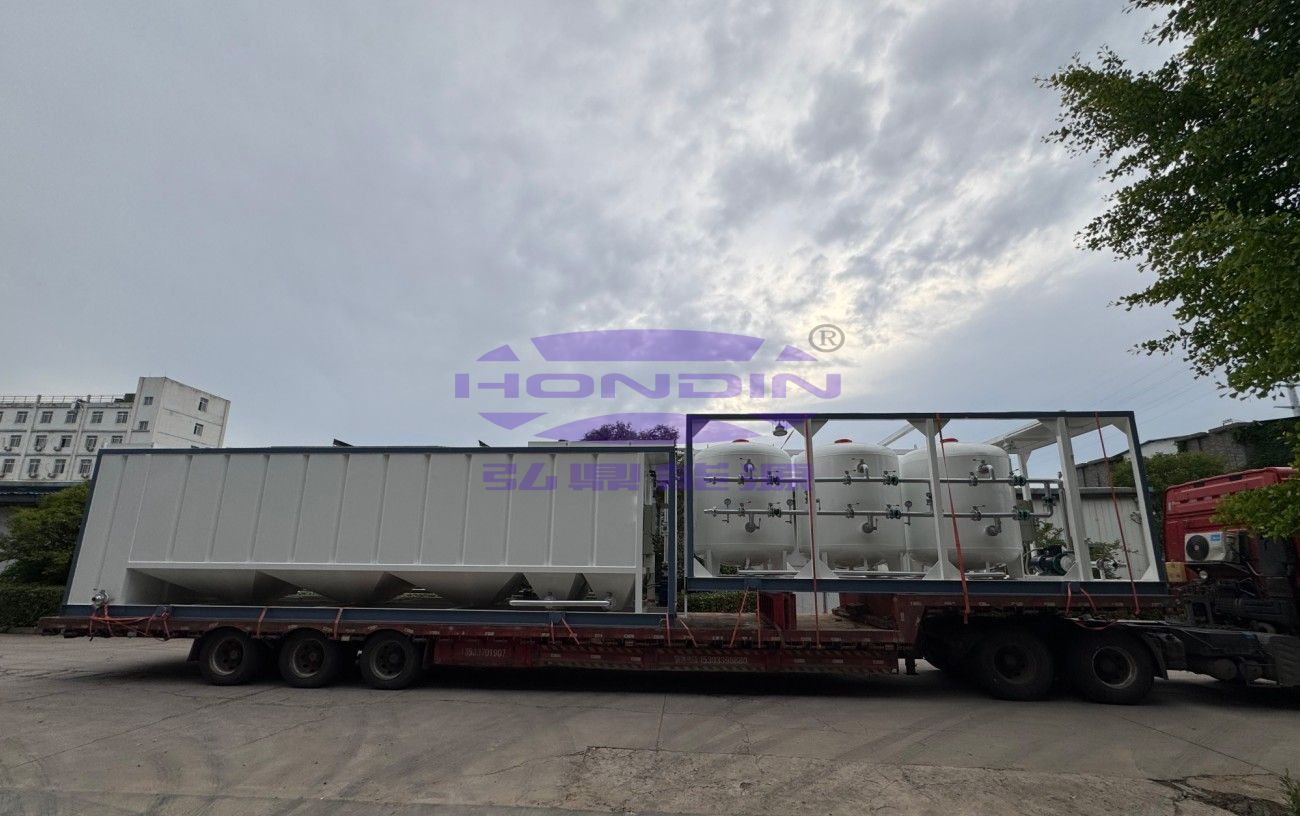
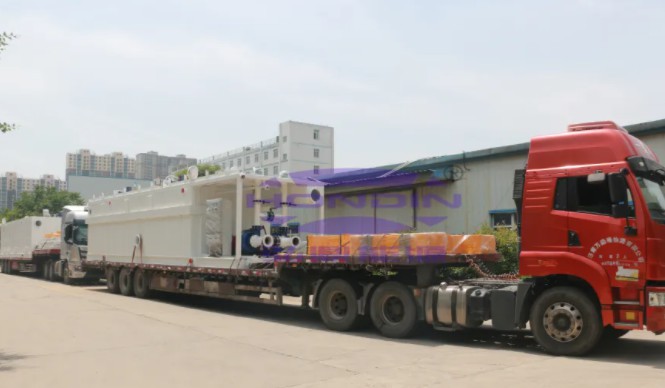
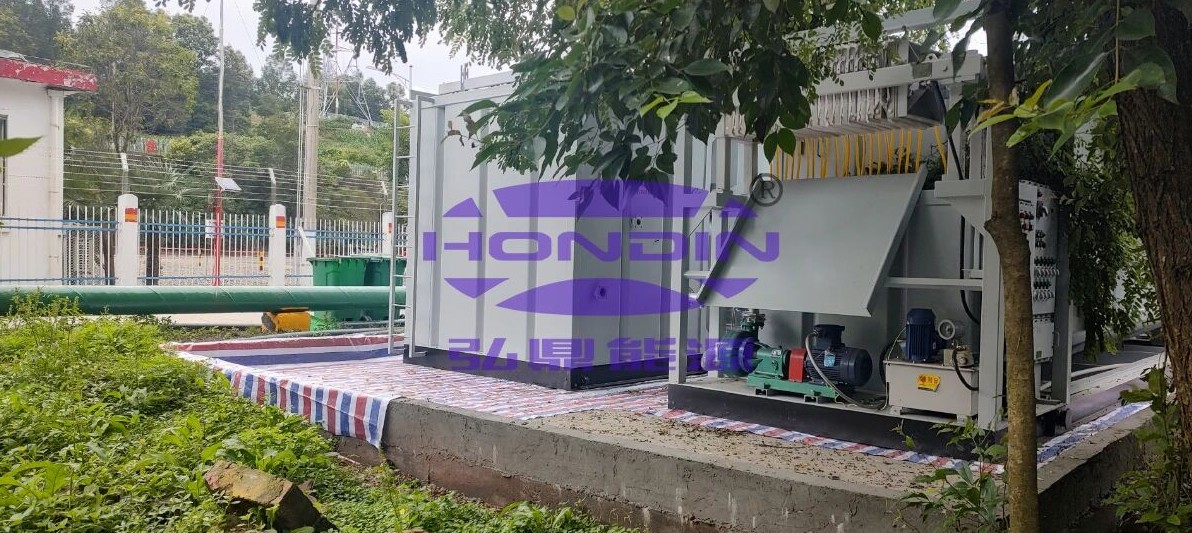
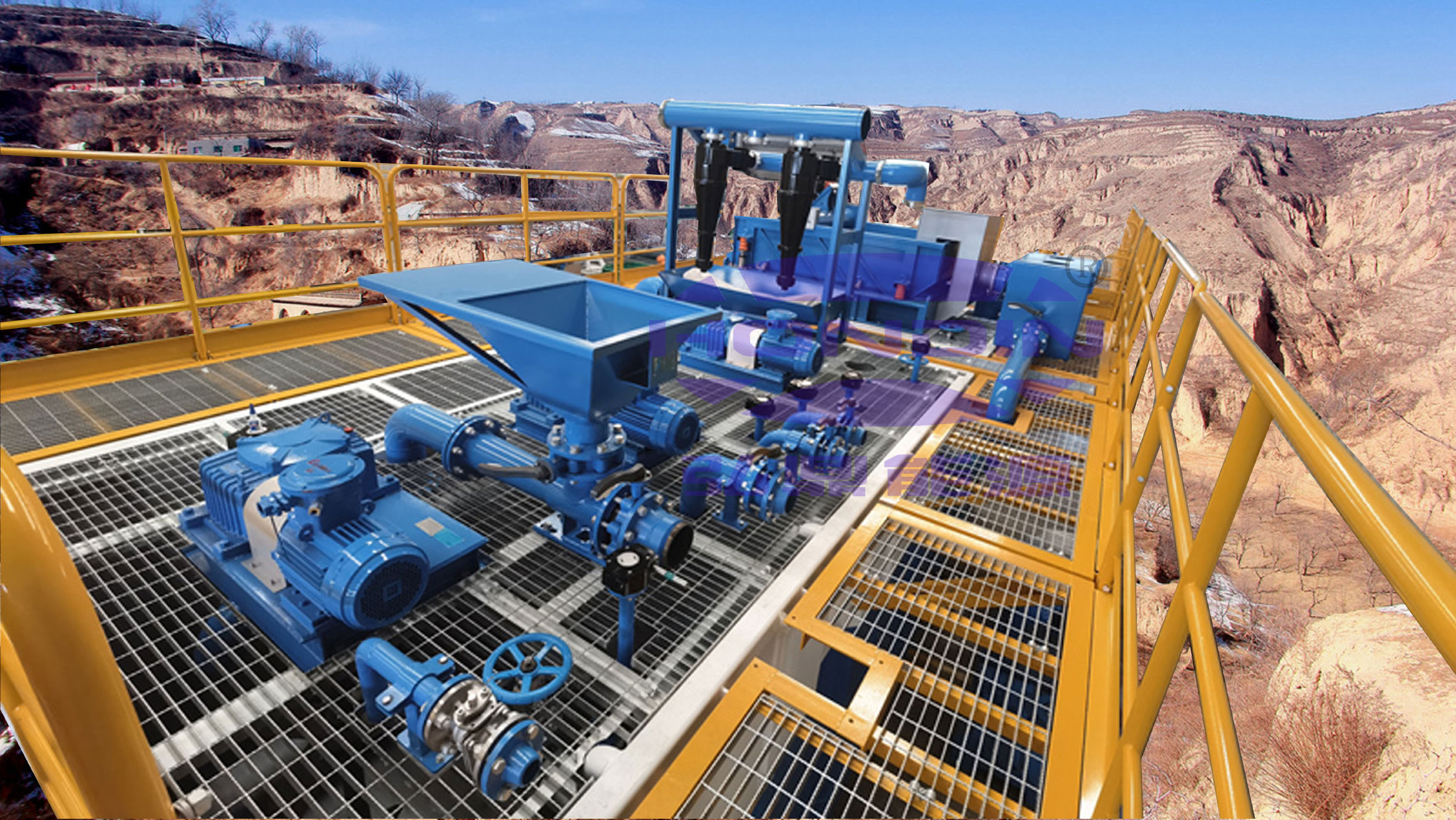
The oily sludge treatment system stands out due to three core advantages: Its efficient resource recovery capability allows for precise separation of oil, gas, and solid residue from the sludge, achieving an oil recovery rate exceeding 85%. The solid residue can also be processed into building filler, maximizing resource utilization. Its fully enclosed treatment process strictly controls the generation and emission of harmful substances, ensuring that the exhaust gas meets emission standards after purification, completely avoiding the risk of secondary pollution and easily complying with new environmental regulations. Furthermore, the process can be flexibly adjusted based on parameters such as oil content and viscosity, making it suitable for a variety of scenarios, including oilfield sludge and refinery scum. Our systems have been widely used in oil fields, refineries, chemical parks, and other fields. In one oilfield project, a single unit processes 50 tons of oily sludge daily, recovers over 1,500 tons of oil products annually, and reduces solid waste emissions by 80%. With years of experience in system research and development, we possess the ability to design customized solutions and a comprehensive after-sales maintenance system. We offer comprehensive support from equipment selection to on-site operation and maintenance, achieving a win-win situation for both environmental protection and profitability. We welcome your inquiries and collaborations!
你的喜欢,就是我坚持写下去的能量器
YouArticle
已有0人推荐
Click:








文章推荐
Hot Cases
-

How a Drilling Mud Solids Control System Improves Mud Reuse
-
How an Oily Sludge Treatment System Improves Oilfield Waste Management
-
HONDIN Energy Slurry Mixers: High-efficiency slurry mixing solutions suitable for various working conditions
-
The successful delivery of hazardous waste containers helps customers achieve standardized temporary storage management of hazardous waste.
-
Reco Water quality deterioration, easy clogging, tight deadlines? This skid-mounted oilfield and fracturing flowback fluid treatment system is designed for complex operating conditions!
-
Why are engineering projects becoming increasingly reliant on mud solids control systems?
-
Environmentally friendly treatment of drilling waste – achieving full compliance with solid and liquid standards and resource reuse.
-
Exploration of Improvements to Drilling Mud Non-Drop Equipment
-
Core Advantages and Application Analysis of Coalbed Methane Well Solids Control Systems
-
Core equipment of mud-free system
-
Current Status and Improvement Measures of Drilling Fluid Solids Control Systems
-
Understanding the Mud-Free System in One Article




Add: No.462 Jinggao South Road, Gaoling District, Xi'an, Shaanxi Province, China
Mob/WhatsApp: +86 186 2931 2932/ +86 187 2900 8271
E-mail: sales@hondinchina.com

Follow us:

点击右上角
分享给朋友吧
点击右上角
分享给朋友吧
Copyright © Xi'an Hondin Energy Technology Co., Ltd. All rights reserved
Copyright © Xi'an Hondin Energy Technology Co., Ltd. All rights reserved