

Cases
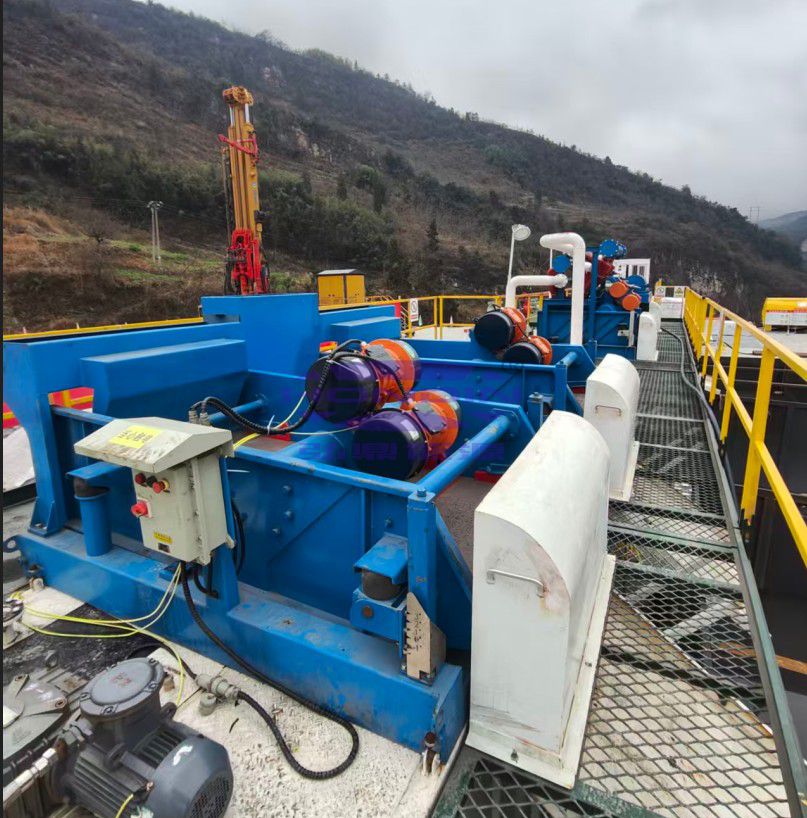
The role of liquid-gas separator in drilling operations
Time:
2025-10-23
In oil and gas drilling risk management, gas-liquid separators are core safety equipment. While they don't directly break rock, they can precisely separate natural gas, hydrogen sulfide, and other gases from drilling fluid, preventing well kicks and blowouts at the source while ensuring drilling fluid performance, personnel safety, and environmental compliance. They are an indispensable 'blowout prevention barrier' in modern drilling.
I. Core Mission: Strengthening Well Control
When drilling into high-pressure oil and gas zones, formation gas mixing with the drilling fluid reduces its density and weakens the fluid column pressure, triggering kicks and even blowouts, endangering equipment and personnel. Gas-liquid separators are key to solving this problem.

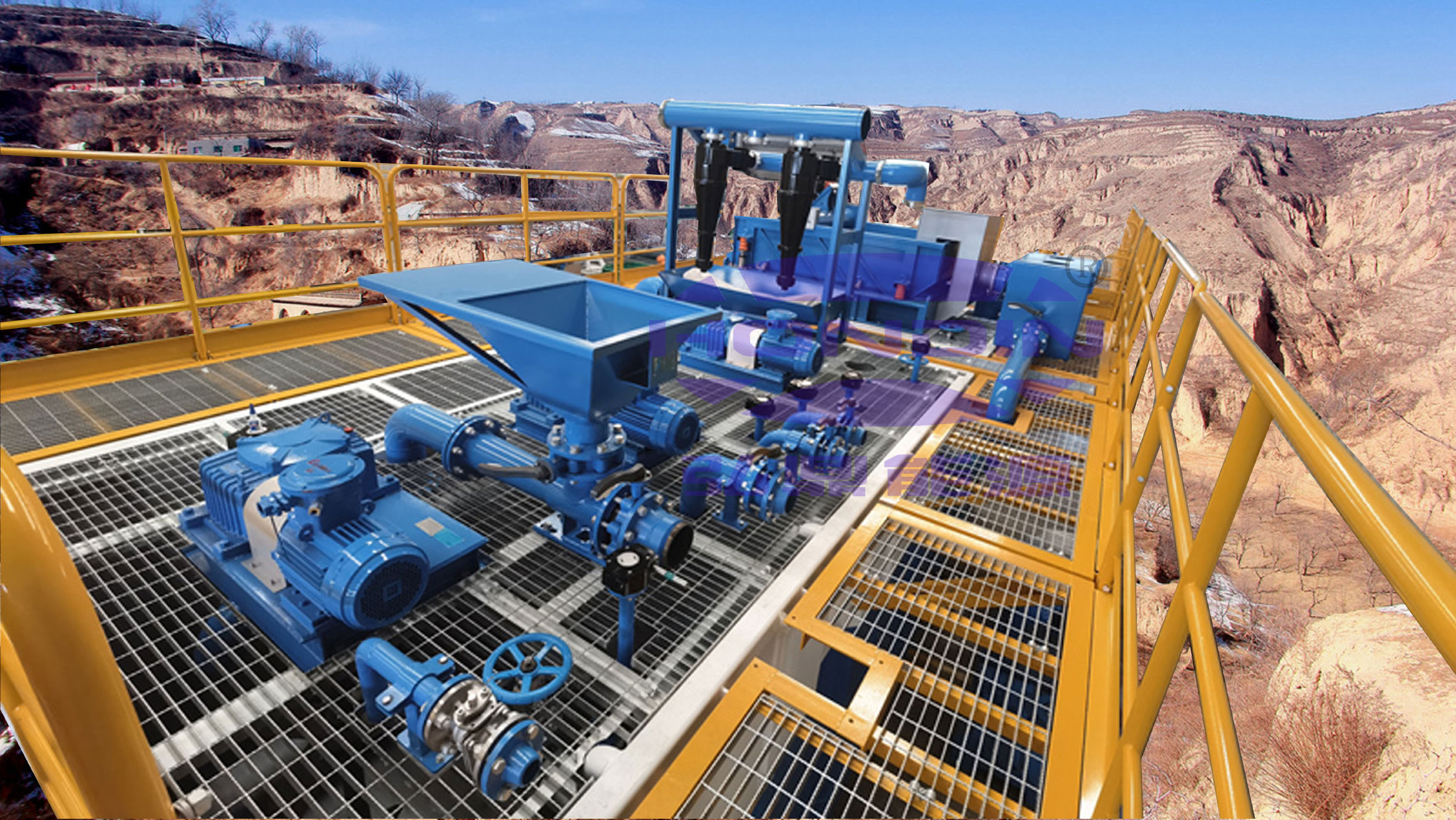
Using the principles of 'centrifugal separation + gravity settling,' they force drilling fluid into a conical chamber at high speed, forming a vortex. Using the density difference between gas and liquid, the gas is separated and discharged. High-quality equipment has a separation efficiency exceeding 95% for bubbles larger than 10μm. They also address the problem of 'gas lock,' preventing sudden drops in drilling pump output. Following their use in one oilfield, the pump gas lock failure rate has dropped from 5 to 0 per month. II. Process Assurance: Stable Performance Improves Efficiency
The degassing function of the gas-liquid separator maintains stable drilling fluid properties, preventing acidic gas corrosion of equipment and treatment agents. After application in a sulfur-containing well, drilling fluid viscosity fluctuations decreased from ±8s to ±2s, and the drill pipe corrosion rate was reduced by 40%.
The degassed drilling fluid achieves uniform density, ensuring stable drilling pump output, reducing cuttings bed formation and tripping times. Application in a shale gas well in Sichuan increased drilling speed by 15% and shortened the drilling cycle by 7 days.
III. Environmental Compliance: Emission Control and Pollution Reduction
According to environmental standards, the gas-liquid separator collects gases such as hydrogen sulfide and methane. After desulfurization, the sulfur-containing gas is flared, and the methane is recovered for reuse. A shale gas field recovers over 500,000 cubic meters of methane annually, reducing carbon emissions by 1,400 tons.
It also reduces drilling fluid droplet generation by over 70%. Combined with a sealed cover plate, it achieves leak-free control, helping to pass environmental inspections. IV. Scenario Adaptation: Customization Ensures Stability
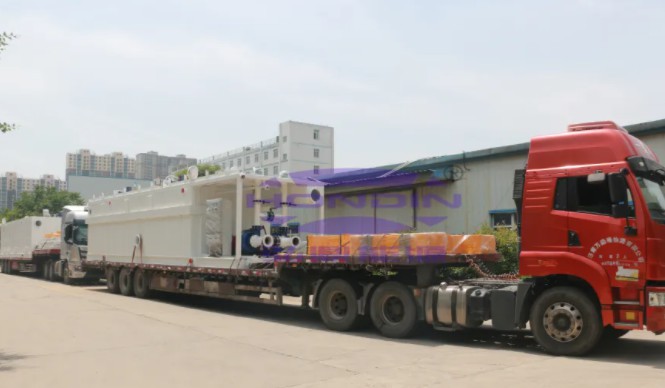
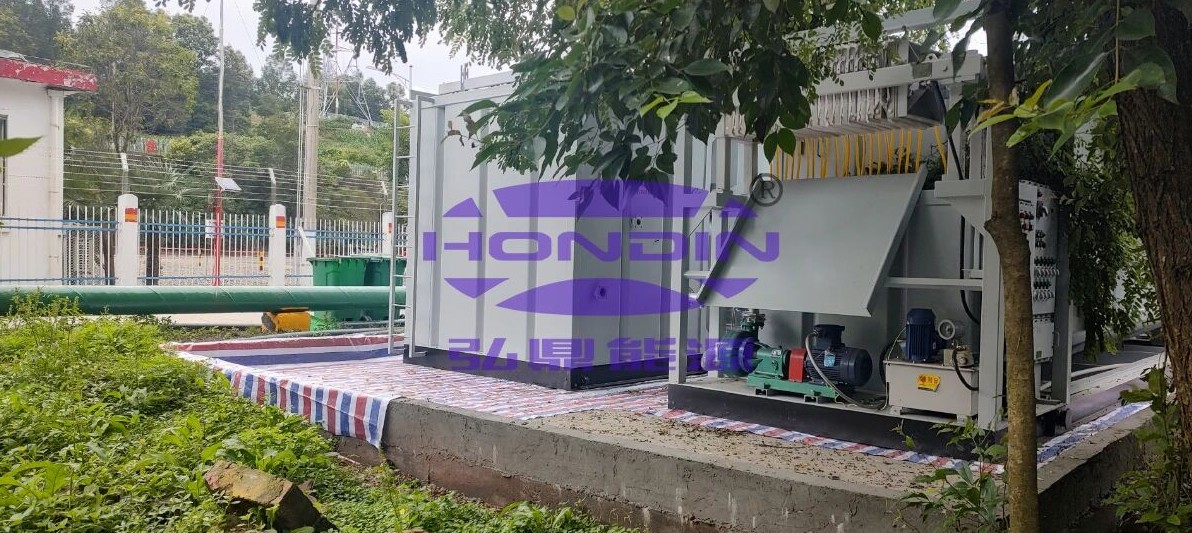
Different operating conditions require customized configurations: Multi-stage cyclone equipment is used for high-pressure gas formations, with a daily processing capacity of 1,200 cubic meters; Offshore drilling utilizes compact, skid-mounted equipment, occupying only 60% of traditional equipment; H₂S monitoring and emergency response equipment are installed for sulfur-containing wells to ensure safety.
Conclusion: The 'Important Line of Defense' for Drilling Safety
Liquid-gas separators have become a core requirement for drilling and are being upgraded to intelligent monitoring and efficient separation. In the future, they will provide even stronger support for safe, efficient, and green drilling.
Click:








文章推荐
Hot Cases
-

How a Drilling Mud Solids Control System Improves Mud Reuse
-
How an Oily Sludge Treatment System Improves Oilfield Waste Management
-
HONDIN Energy Slurry Mixers: High-efficiency slurry mixing solutions suitable for various working conditions
-
The successful delivery of hazardous waste containers helps customers achieve standardized temporary storage management of hazardous waste.
-
Reco Water quality deterioration, easy clogging, tight deadlines? This skid-mounted oilfield and fracturing flowback fluid treatment system is designed for complex operating conditions!
-
Why are engineering projects becoming increasingly reliant on mud solids control systems?
-
Environmentally friendly treatment of drilling waste – achieving full compliance with solid and liquid standards and resource reuse.
-
Exploration of Improvements to Drilling Mud Non-Drop Equipment
-
Core Advantages and Application Analysis of Coalbed Methane Well Solids Control Systems
-
Core equipment of mud-free system
-
Current Status and Improvement Measures of Drilling Fluid Solids Control Systems
-
Understanding the Mud-Free System in One Article




Add: No.462 Jinggao South Road, Gaoling District, Xi'an, Shaanxi Province, China
Mob/WhatsApp: +86 186 2931 2932/ +86 187 2900 8271
E-mail: sales@hondinchina.com

Follow us:

点击右上角
分享给朋友吧
点击右上角
分享给朋友吧
Copyright © Xi'an Hondin Energy Technology Co., Ltd. All rights reserved
Copyright © Xi'an Hondin Energy Technology Co., Ltd. All rights reserved